This Gene May Underpin Our Brain’s Extraordinary Abilities
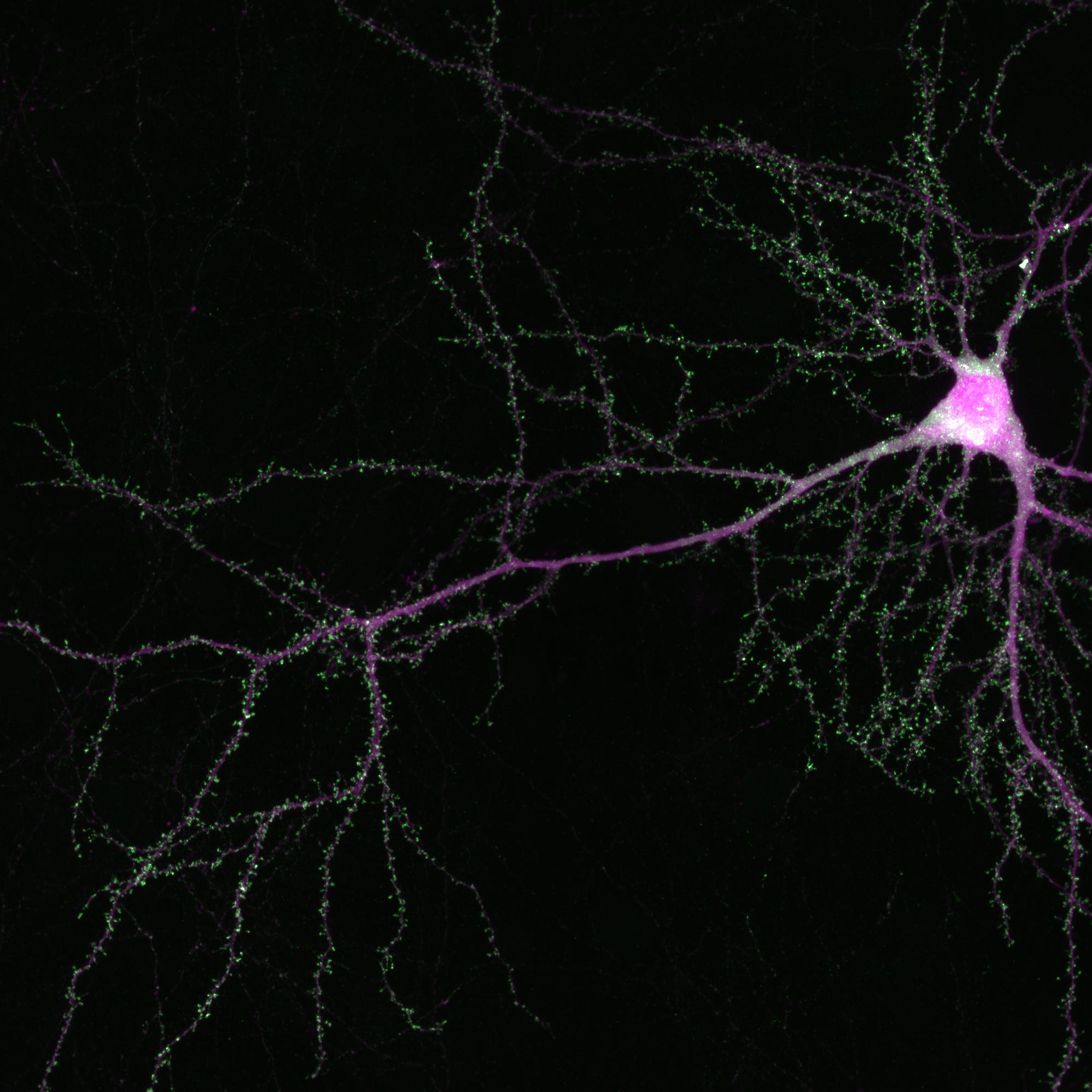
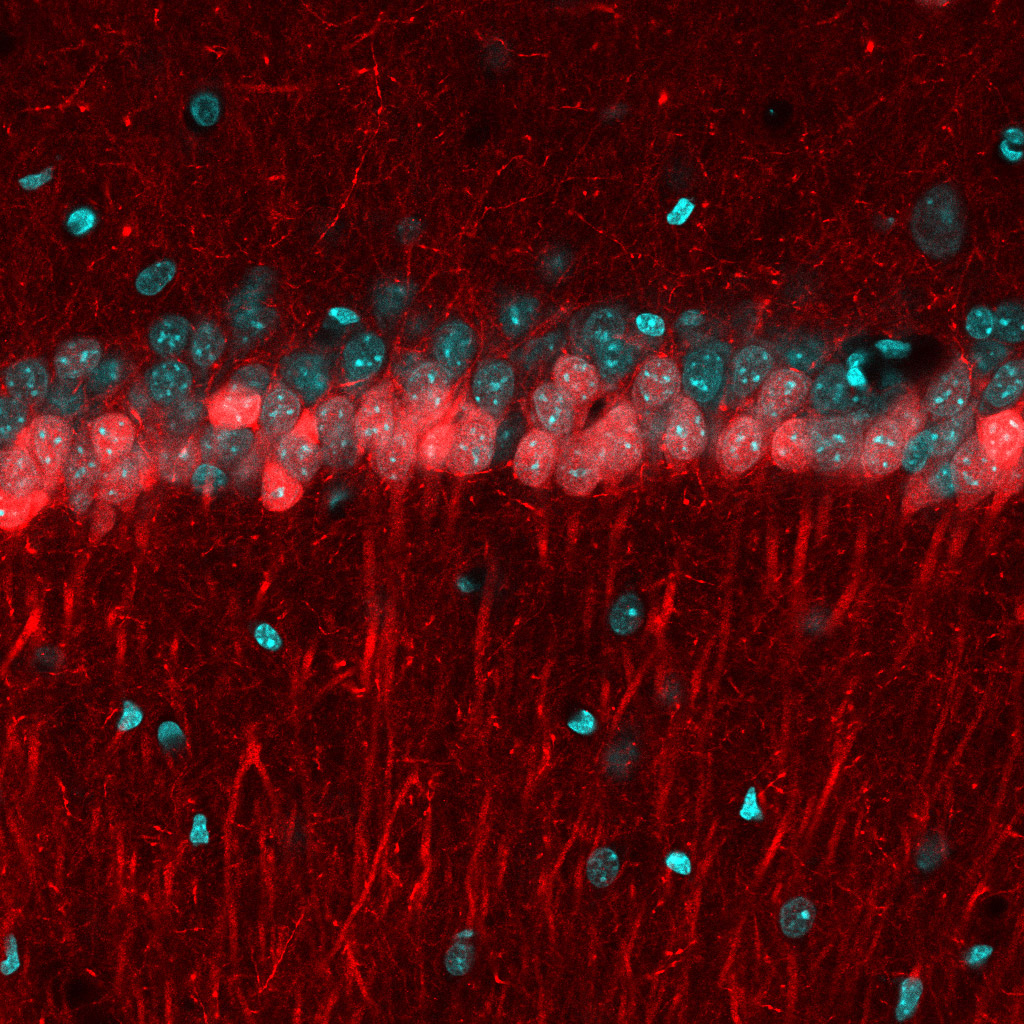
Scientists at Columbia’s Zuckerman Institute have shed light on how a single change to our genome had a significant impact on the evolution of the human brain
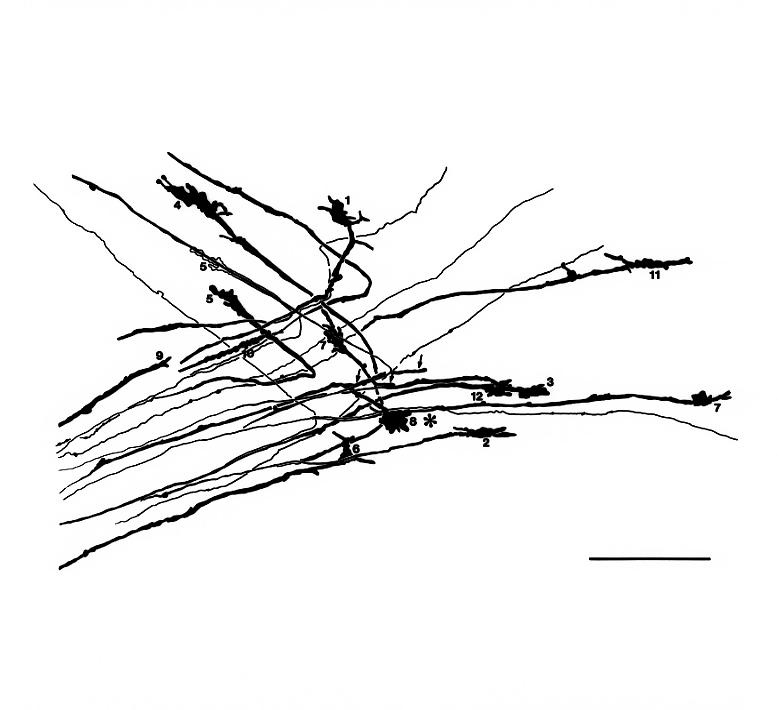
Prize recognizes decades of work that explores how the eyes connect to the brain and lays the groundwork for new ways to treat vision damage.
In her research, Carol Mason asks: How do nerve cells in the eye know where to go in the brain?
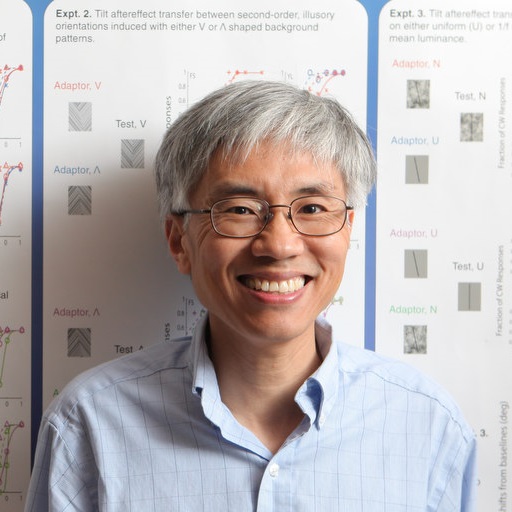
Ning Qian is exploring how the brain makes sense of the world we see, as well as why people with autism often find it difficult to look at faces.
Scientists track brain-cell activity of mice in real time, gain insight into how the brain stores and organizes information
The Art Newspaper posed a simple question to a panel at New York’s Museum of Modern Art: “What is art for?” On that panel was Columbia University neuroscientist Eric Kandel, MD, who had simple answer.
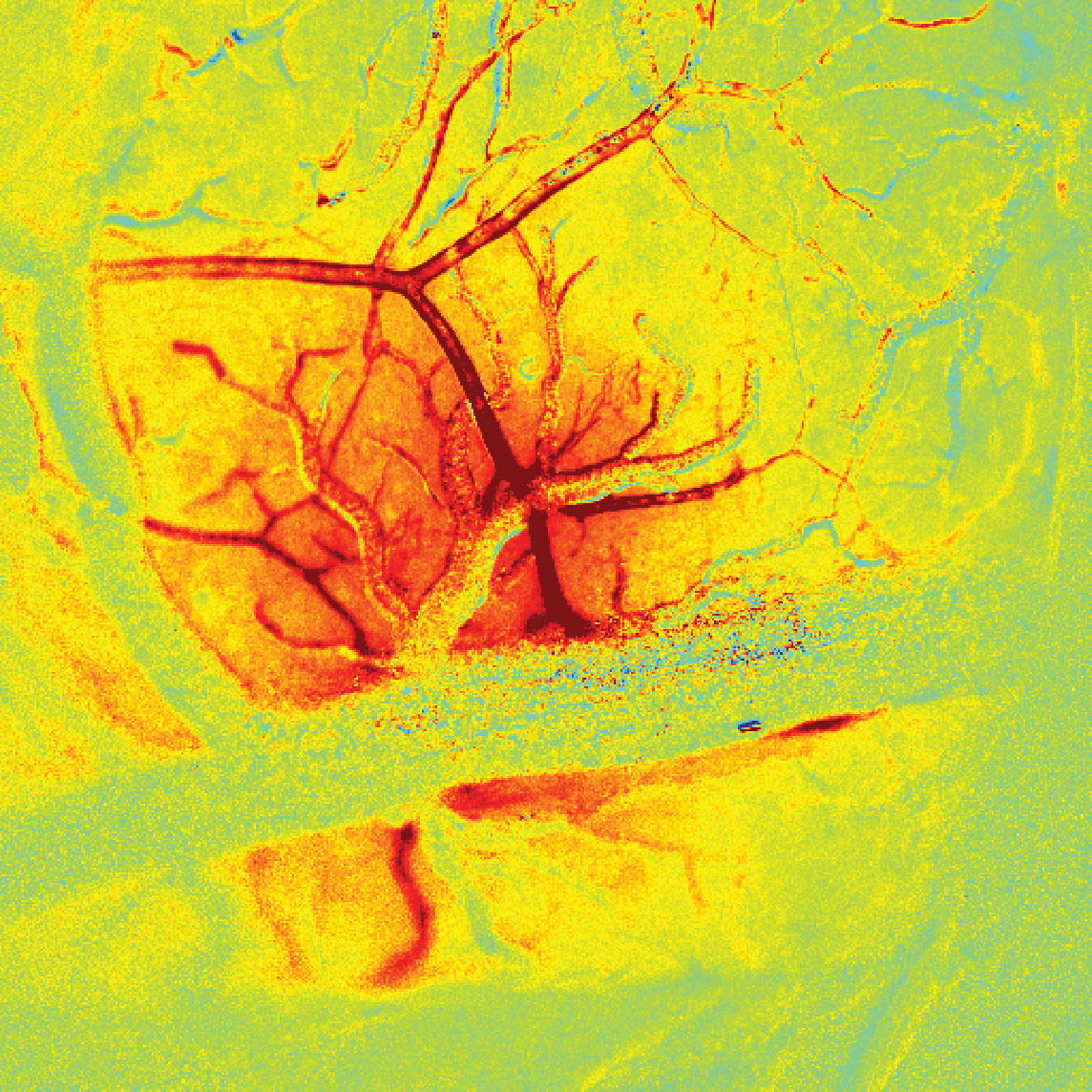
Findings reveal mismatch between neuronal activity and blood flow in the brains of newborn mice, shedding new light on how the growing brain feeds itself
The World Science Festival concluded by addressing one of the hardest questions in science: How do our brains give rise to our sense of self?
For Richard Mann, answers to some of biology’s biggest puzzles, such as how our brains direct our muscles to move, can be found in the tiniest of places.