The Senses
January 26, 2017
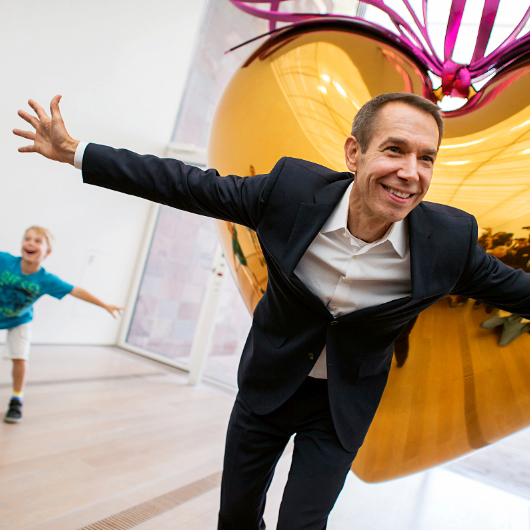
Jeff Koons First Artist-in-Residence at Zuckerman Institute
Though artists and scientists may sometimes speak different languages, there is much they can learn from each other.
Though artists and scientists may sometimes speak different languages, there is much they can learn from each other.
Findings offer insight into long-standing scientific question; reinforce use of fMRI for studies of brain activity.
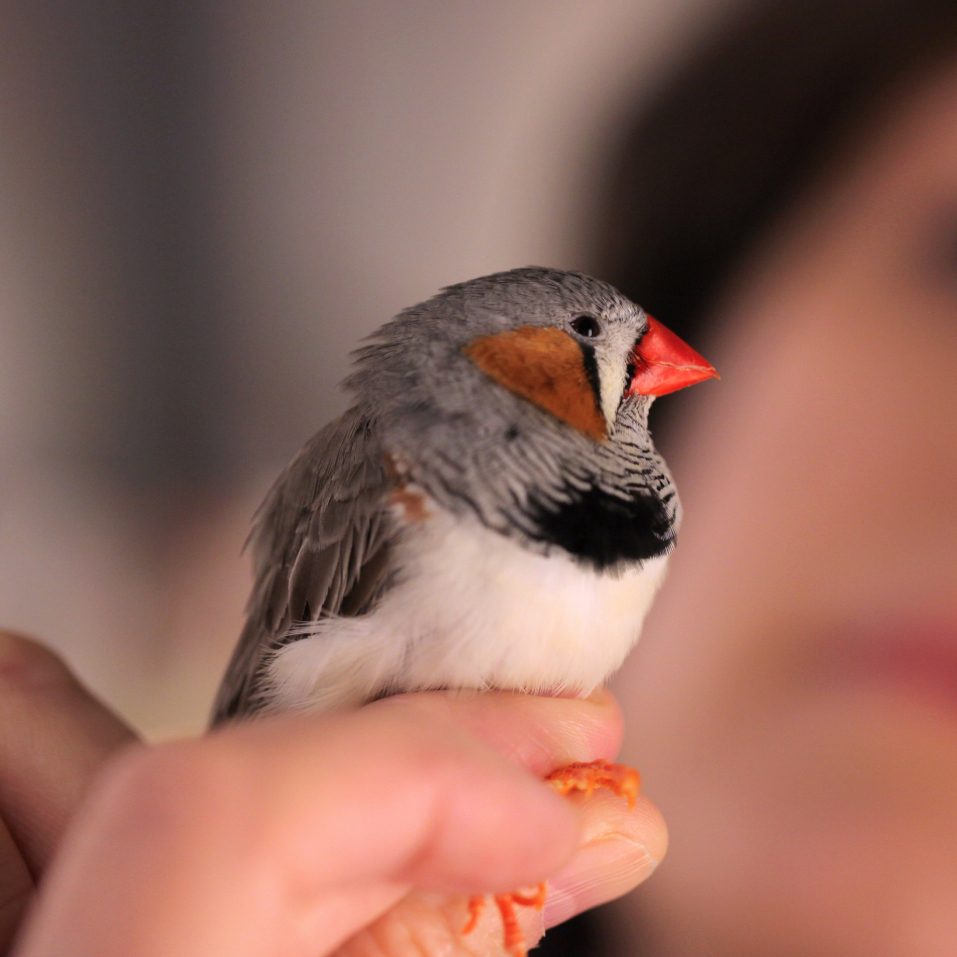
Why is the young brain so good at learning language?
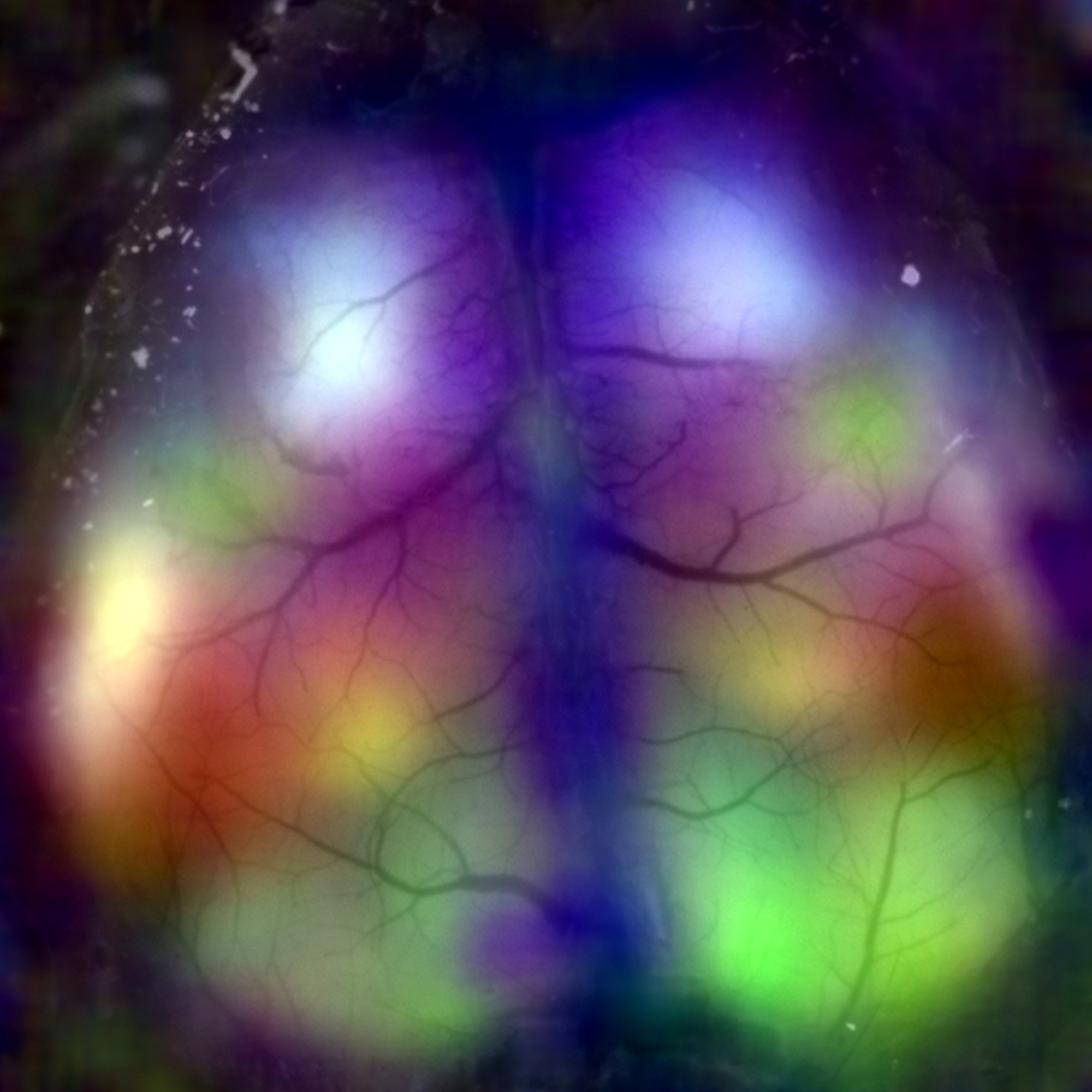
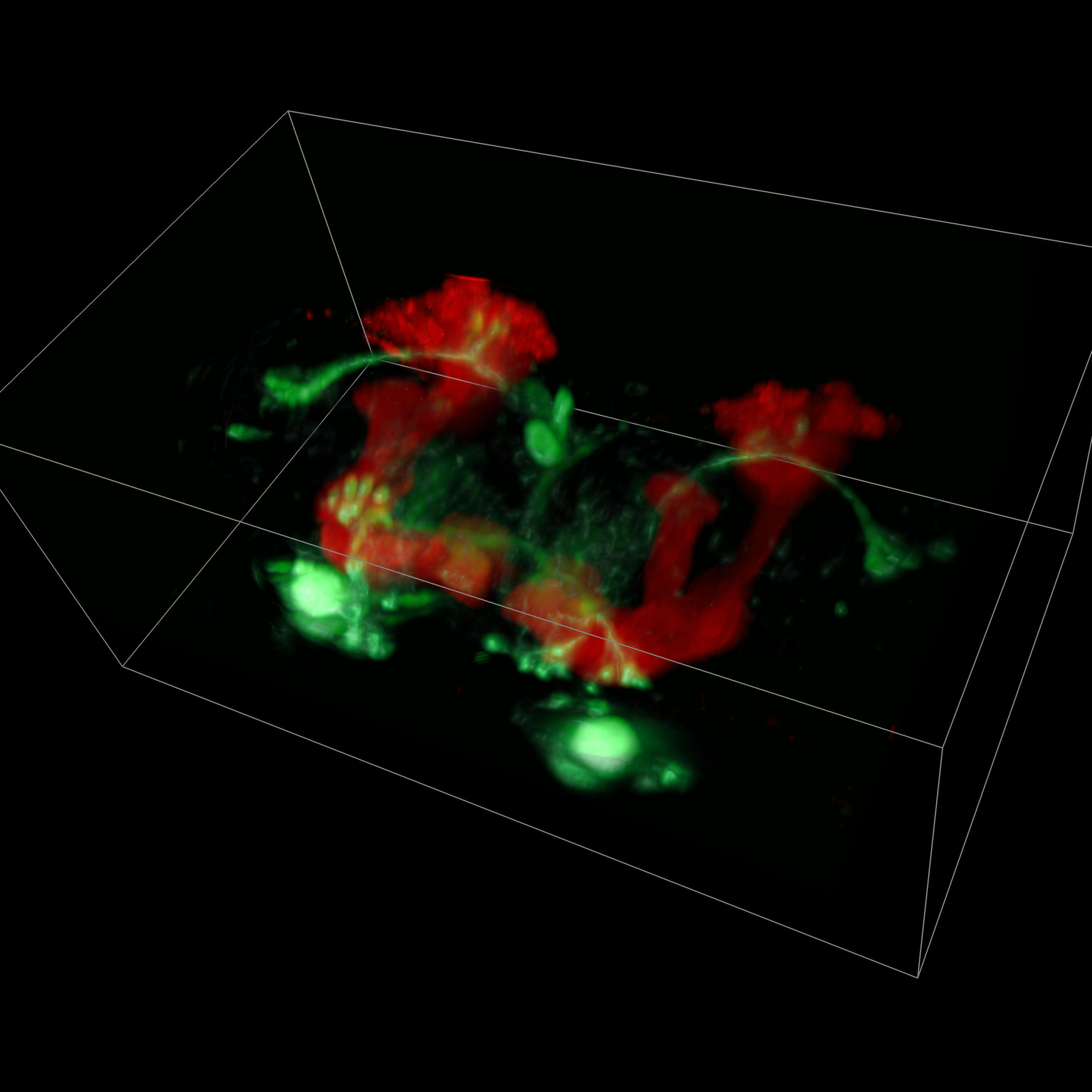
Leica Microsystems to develop SCAPE microscopy.
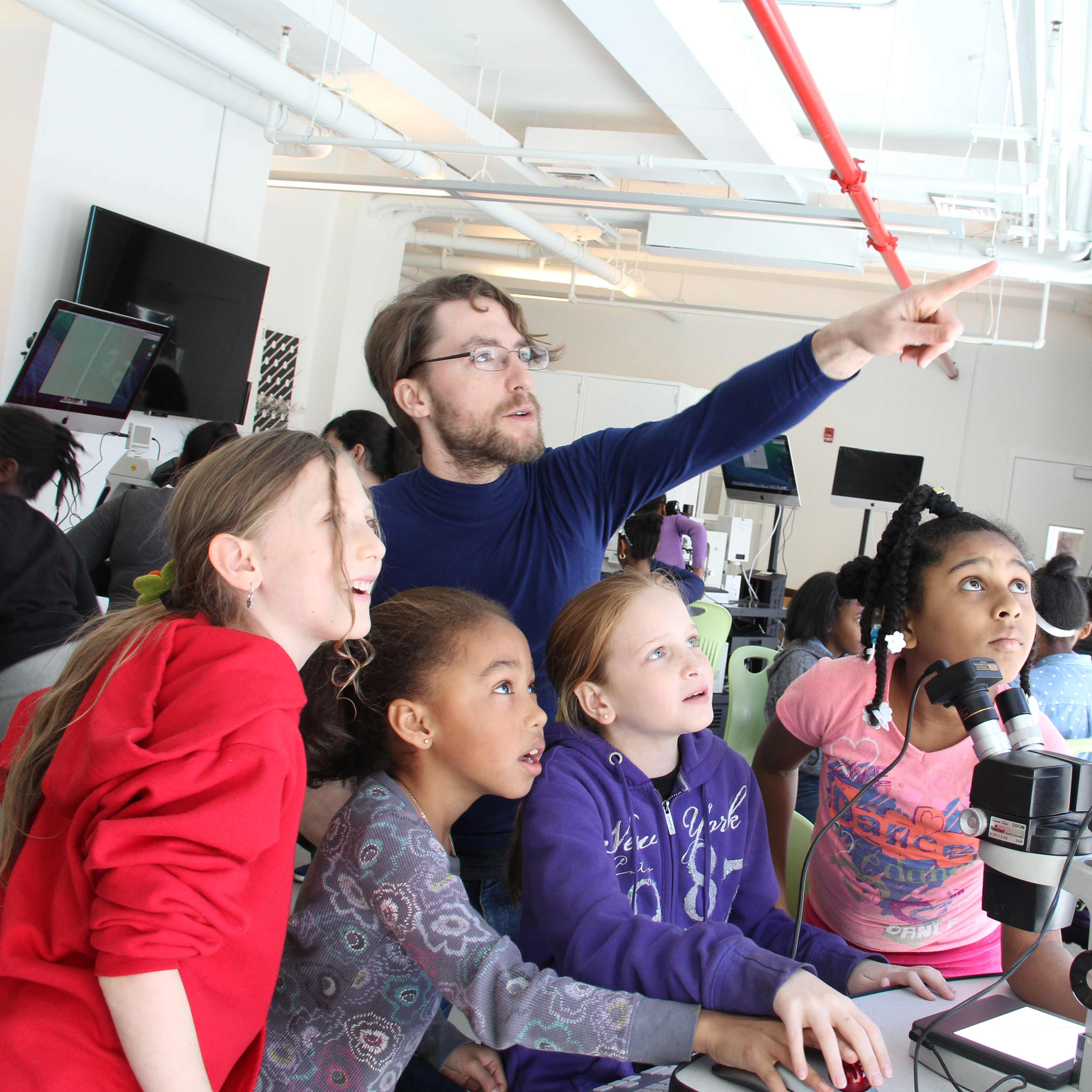
New partnership aimed at bringing new educational opportunities to schools and community centers across upper Manhattan and the Bronx.
Columbia University President Lee C. Bollinger today announced that two Columbia University Medical Center doctors will lead a new community Wellness Center.

Columbia-led research finds adolescents’ ability to remember is closely linked to reward-learning behavior.
A Q&A with Joseph Gogos, MD, PhD.
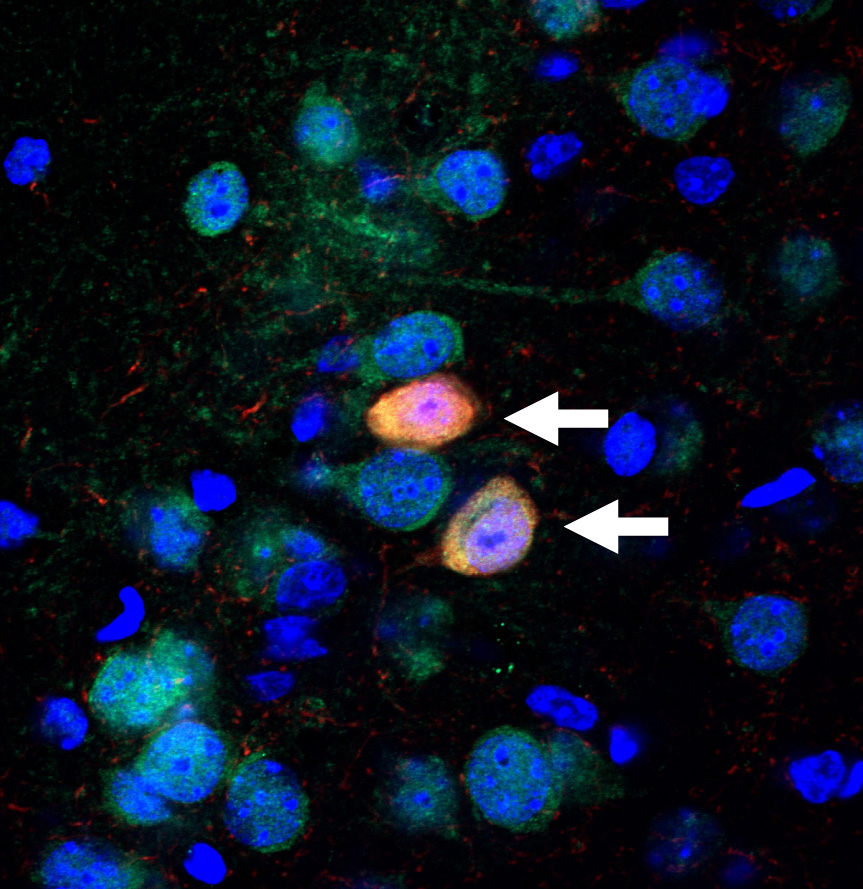
Advance helps to resolve this long-standing scientific question; offers framework to guide future studies of memory.
Stavros Lomvardas, an expert on olfaction, our sense of smell, earns funding and recognition from the Howard Hughes Medical Institute.