Disease
April 27, 2017
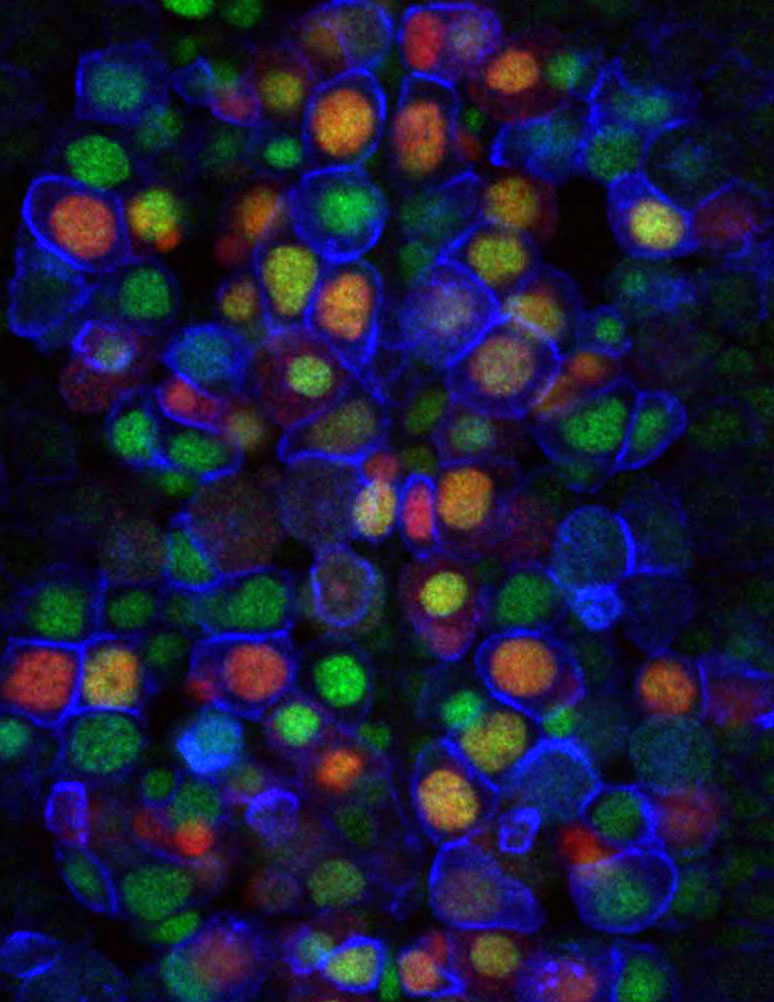
Can Tangled-Up Neurons Lead to Depression-Like Behavior?
Twin papers lend clues into how the brain organizes itself, offering new avenues for studying psychiatric disorders.
Twin papers lend clues into how the brain organizes itself, offering new avenues for studying psychiatric disorders.
Columbia-led research finds adolescents’ ability to remember is closely linked to reward-learning behavior.

Scientists at Columbia’s Zuckerman Institute have shed light on how a single change to our genome had a significant impact on the evolution of the human brain
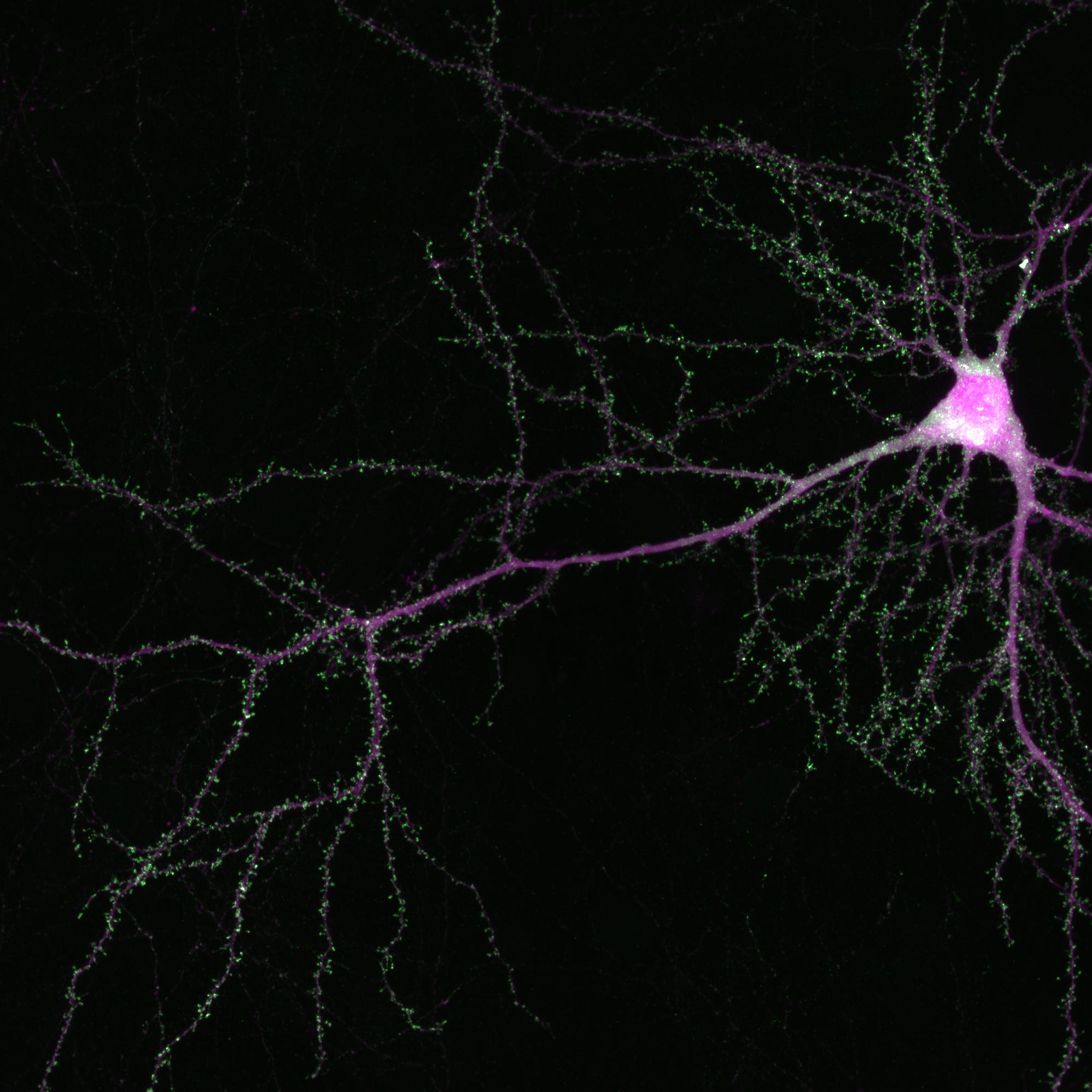
Prize recognizes decades of work that explores how the eyes connect to the brain and lays the groundwork for new ways to treat vision damage.
In her research, Carol Mason asks: How do nerve cells in the eye know where to go in the brain?
Findings reveal mismatch between neuronal activity and blood flow in the brains of newborn mice, shedding new light on how the growing brain feeds itself
Award recognizes Dr. Polleux’s groundbreaking research to map the brain’s wiring, lending insight into human cognition and our susceptibility to disease.

In his research, Wesley Grueber asks: How do cells know how and where to spread their tendrils?

Team uses chemical compound to restore affected brain regions; findings could lead to new treatment strategies.
Minoree Kohwi is mapping how cells mature into a healthy, thriving brain — painstaking work that could one day lead to effective treatments for brain disease and injury.