Movement
May 27, 2016
Tracing the Steps that Guide Movement
For Richard Mann, answers to some of biology’s biggest puzzles, such as how our brains direct our muscles to move, can be found in the tiniest of places.
For Richard Mann, answers to some of biology’s biggest puzzles, such as how our brains direct our muscles to move, can be found in the tiniest of places.

Award recognizes Dr. Polleux’s groundbreaking research to map the brain’s wiring, lending insight into human cognition and our susceptibility to disease.
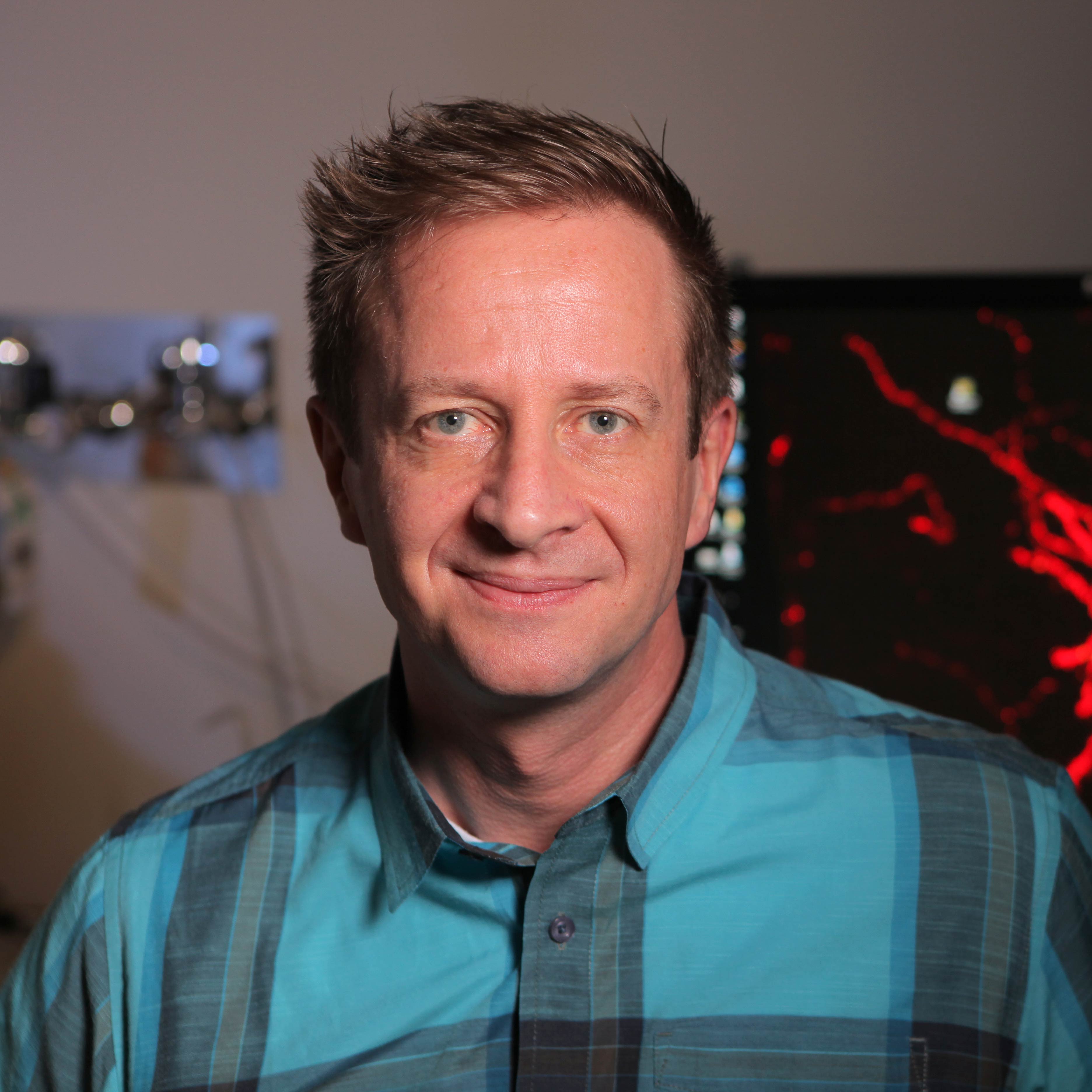
In his research, Wesley Grueber asks: How do cells know how and where to spread their tendrils?
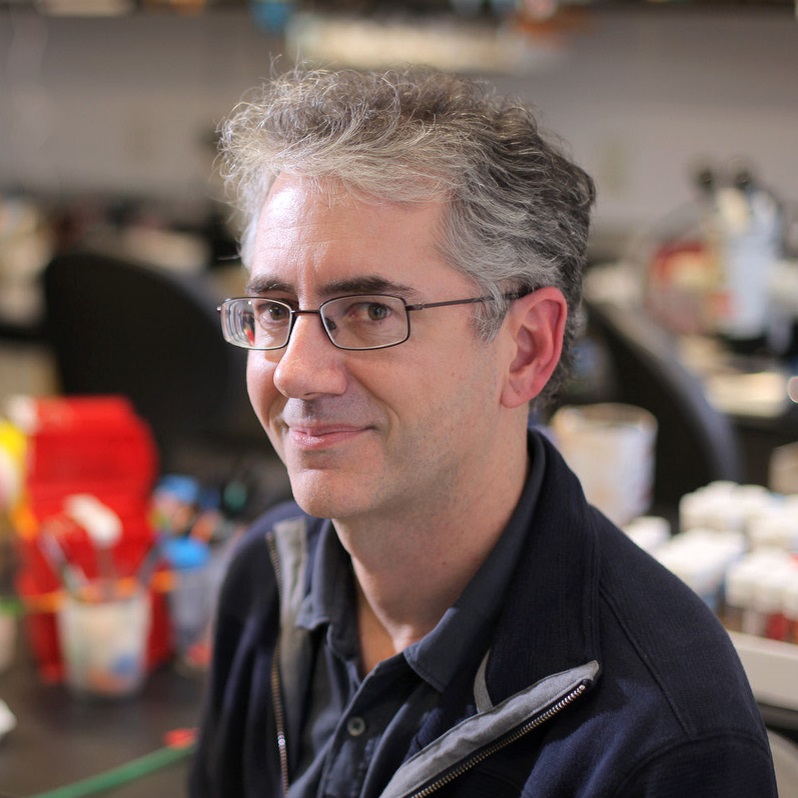
What happens in the brain of a jazz musician when he or she plays a tune — and what happens in the brains of audience members when they hear it.

At Columbia's Zuckerman Institute, Rudy Behnia asks: How does the visual system perceive movement?

Statistician John Cunningham examines how the complex communication between motor neurons gives rise to the elegant simplicity of our movements.
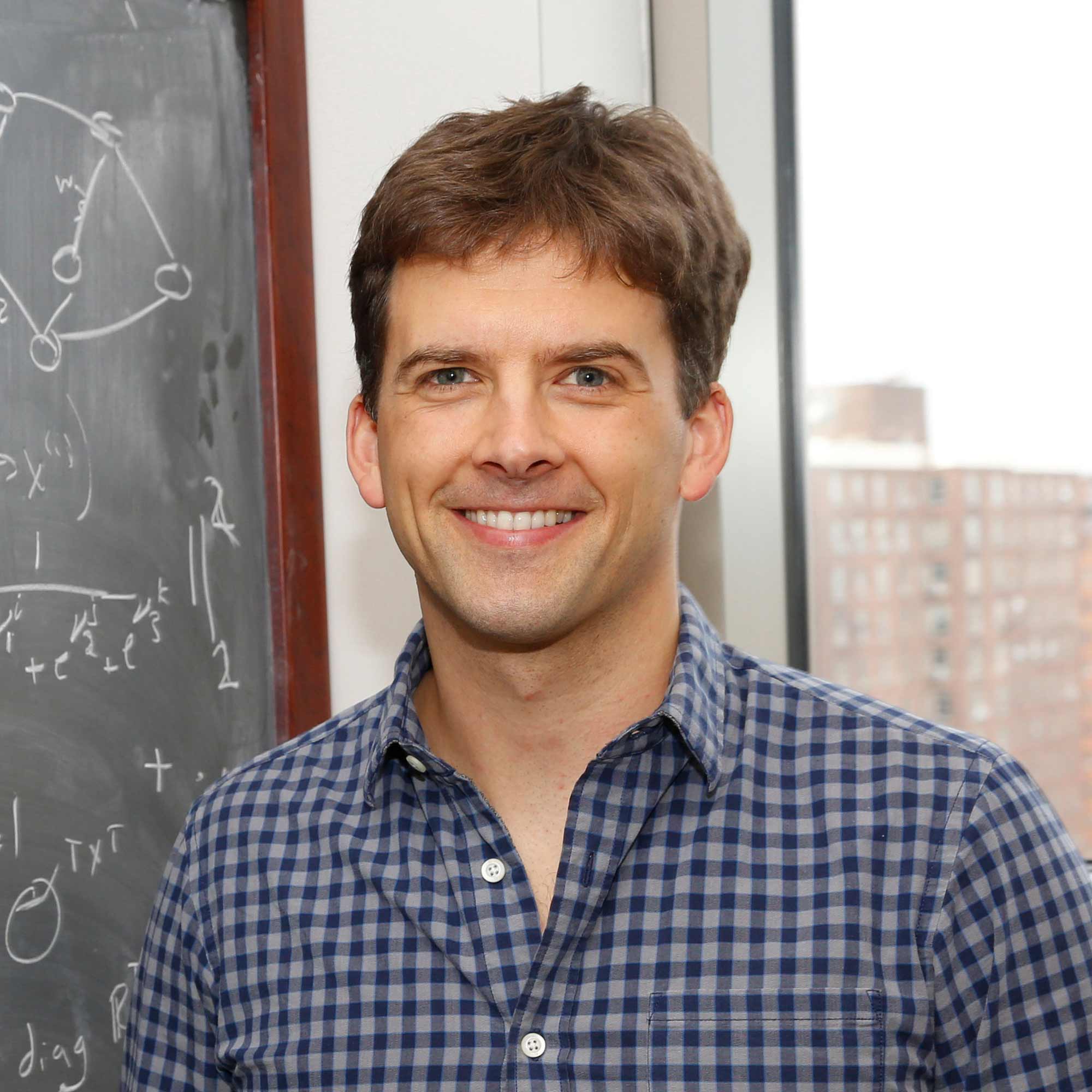
How a ‘hack’ to a high-powered microscope — and an innovative statistical technique — stands to change what we see when we peer inside the brain.
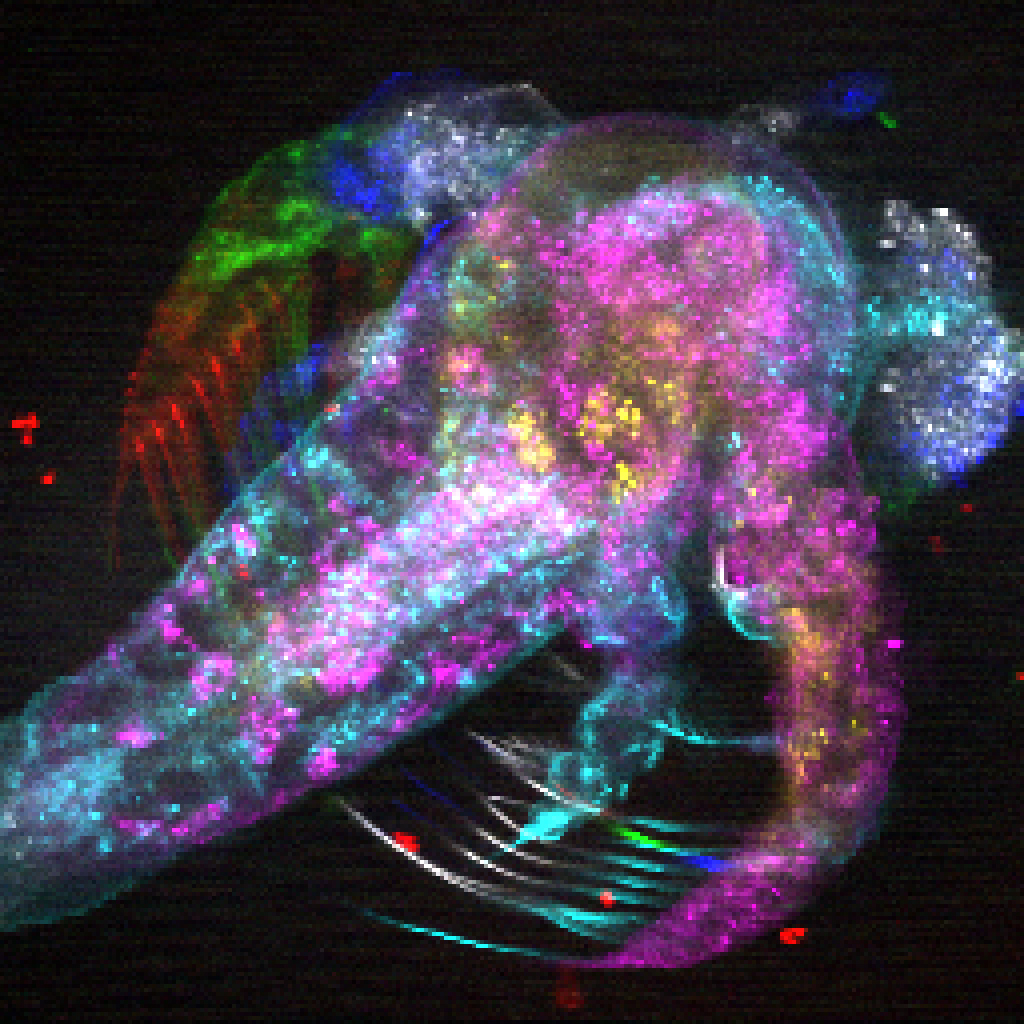
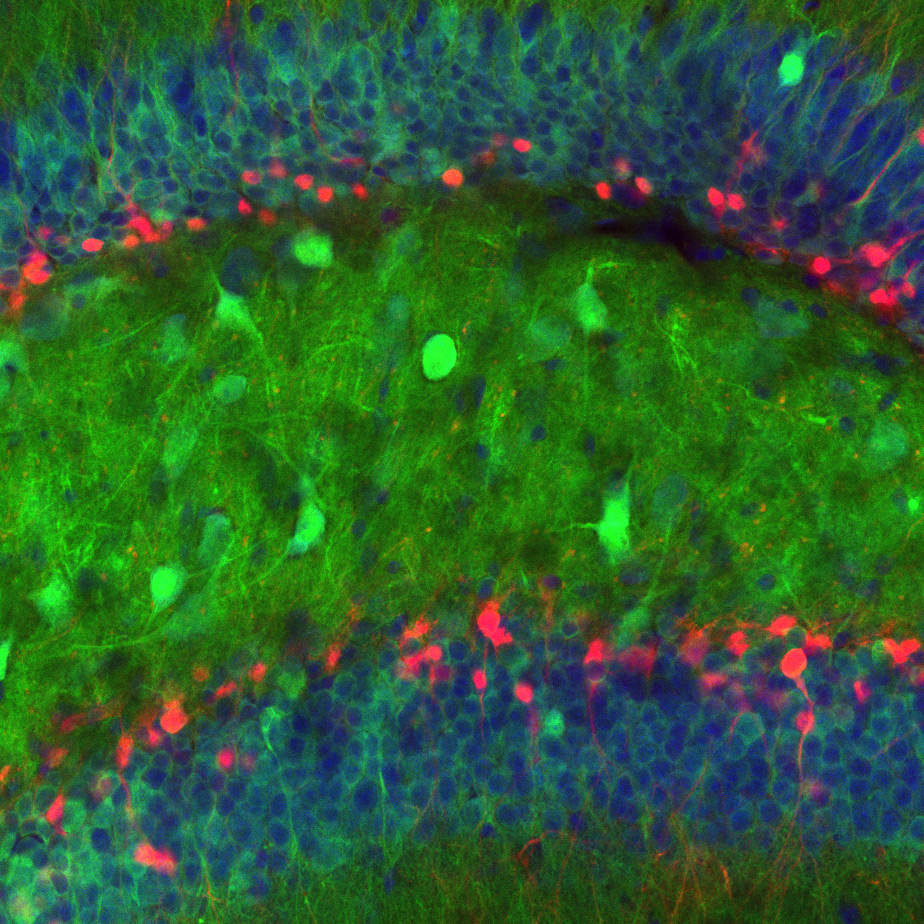
Columbia neuroscientists have described the activity of newly generated brain cells in awake mice and revealed the critical role these cells play in forming memories.
Randy Bruno recently made a discovery that turned the field of neuroscience on its head.
A Conversation with two Columbia scientists who consulted on the Oscar-nominated film.