Disease
September 4, 2017
The Mystery Behind Schizophrenia's Most Stubborn Symptom
New study in mice reveals biological origins of memory deficits, a core symptom of schizophrenia.
New study in mice reveals biological origins of memory deficits, a core symptom of schizophrenia.
In celebration of the 2017 US Open, Columbia's Zuckerman Institute presents a piece that explores the minds behind the talents. Join us for a tour led by neuroscientist Rudy Behnia, PhD, an expert in vision at Columbia's Zuckerman Institute.

What if you could look deep into the brain and watch the activity of hundreds of neurons in a moving animal? Now, with miniature mobile microscopes, this is possible in mice and has enabled scientists to uncover a map that is used by the brain to guide our movements.
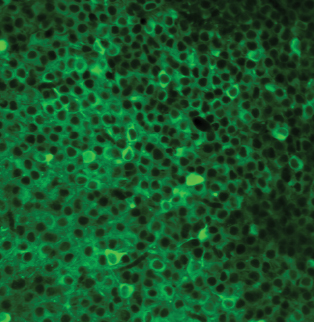
Signals sent by tongue’s taste cells prevent the brain from confusing bitter and sweet tastes.

Study lends insight into one of neuroscience’s greatest puzzles: how the brain transforms unconscious information into conscious thought.

Whether it’s hitting a homerun or a tickling the ivories, neuroscientist Rui Costa, PhD, investigates how we learn skilled movement — and what happens in the brain when that ability is disrupted.
At the 2017 World Science Festival, scientists shared their insights into how technology is advancing what we can uncover about the brain — and how that knowledge stands to improve health and society
A Q&A with Nathaniel Sawtell, PhD
Twin papers lend clues into how the brain organizes itself, offering new avenues for studying psychiatric disorders.
A Q&A with Jacqueline Gottlieb, PhD