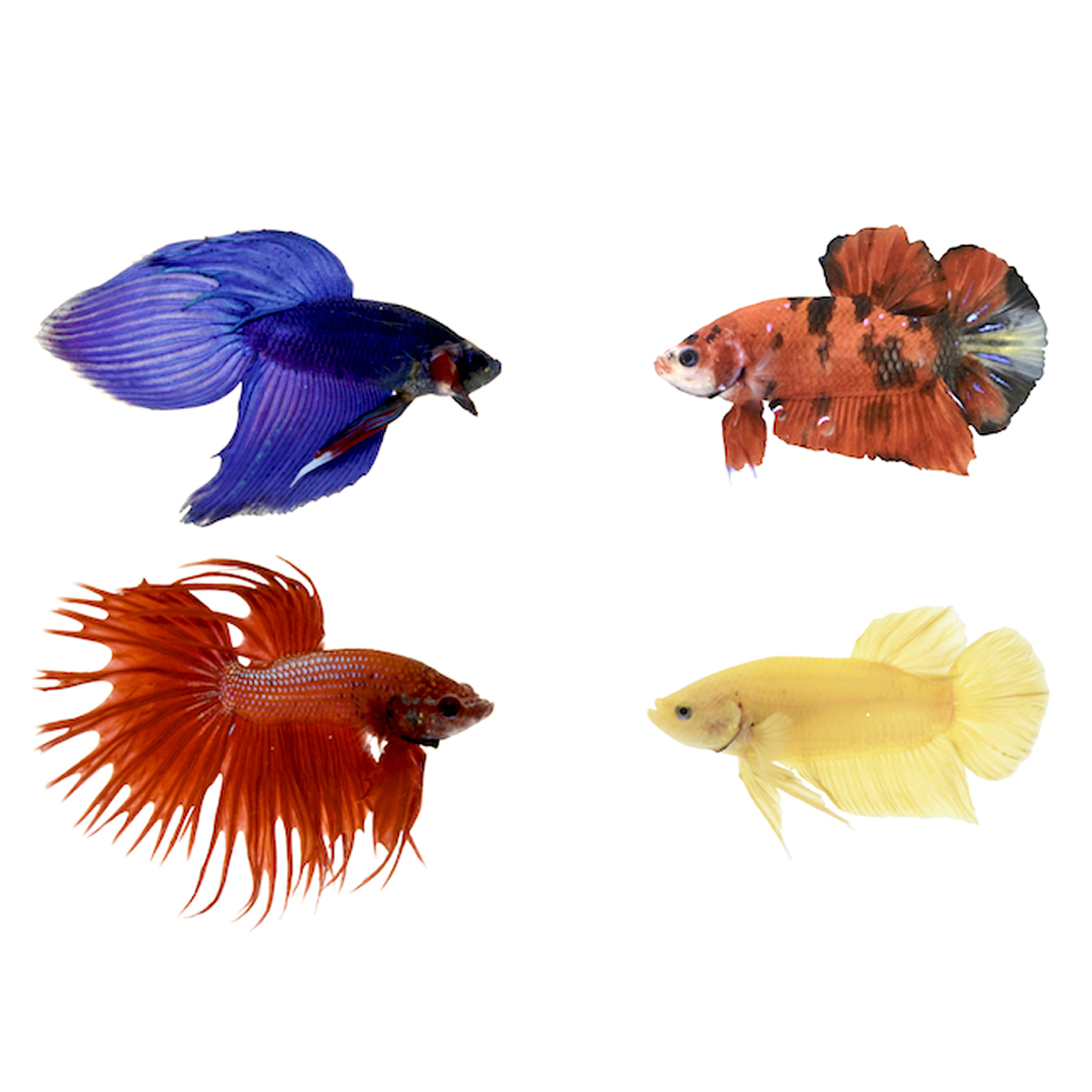
Mental Landscapes: Introducing the Betta Fish
Genetic origins of their splendid colors and wavy shapes revealed
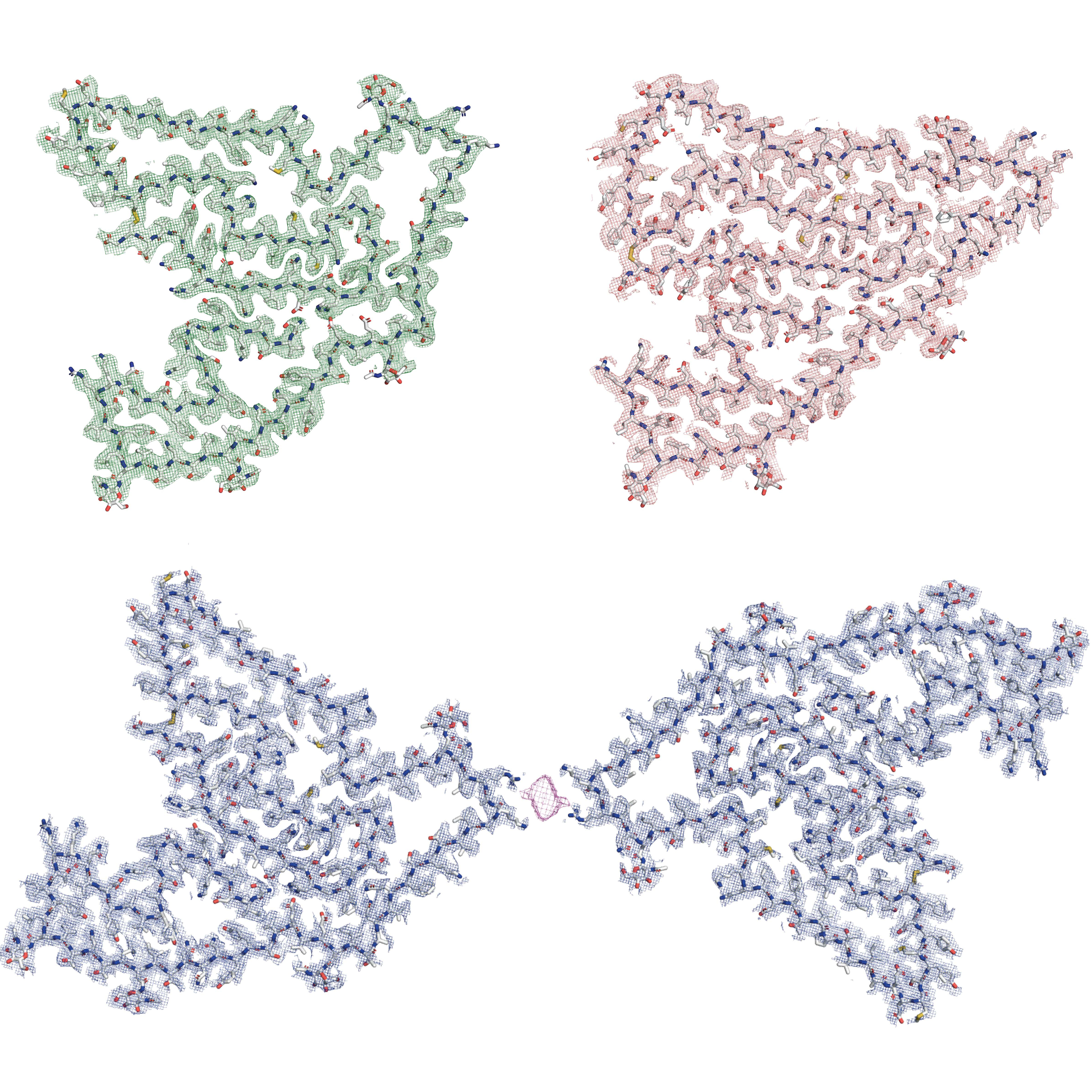
Discovery reveals that a protein normally involved in clearing cells of molecular debris can clump into fibrils, potentially hobbling cells.
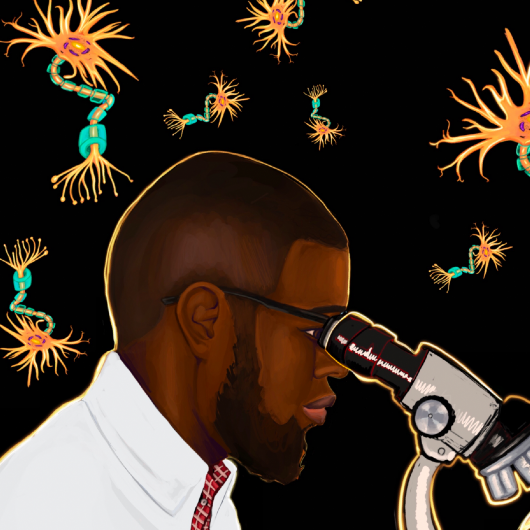
A neurobiologist at Columbia’s Zuckerman Institute, Abdus-Saboor retraces his path to Columbia, explains his fascination with a rodent that rarely feels pain, and offers advice to aspiring Black scientists.
New method for assessing pain and pain relief uncovers a neurological legacy of drug use, passed down genetically to male offspring.
Expert in learning, memory and decision-making joins leadership at the Institute.
New gift supports independent early career researchers pursuing bold approaches to mind, brain and behavior.
Research collaboration teases out cellular and molecular mechanisms that underlie one of pandemic’s signature symptoms, with implications for other health conditions.
Engineering society gives award to impactful, pioneering work that could help lead to brain wave-reading hearing aids.
How did being an Emergency Research Technician inspire a teen to study pain? Meet Phalaen Chang, undergraduate research assistant in the Abdus-Saboor Lab.
Columbia research seven years in the making highlights potential therapeutic target for neurodegenerative disease