News
May 15, 2019
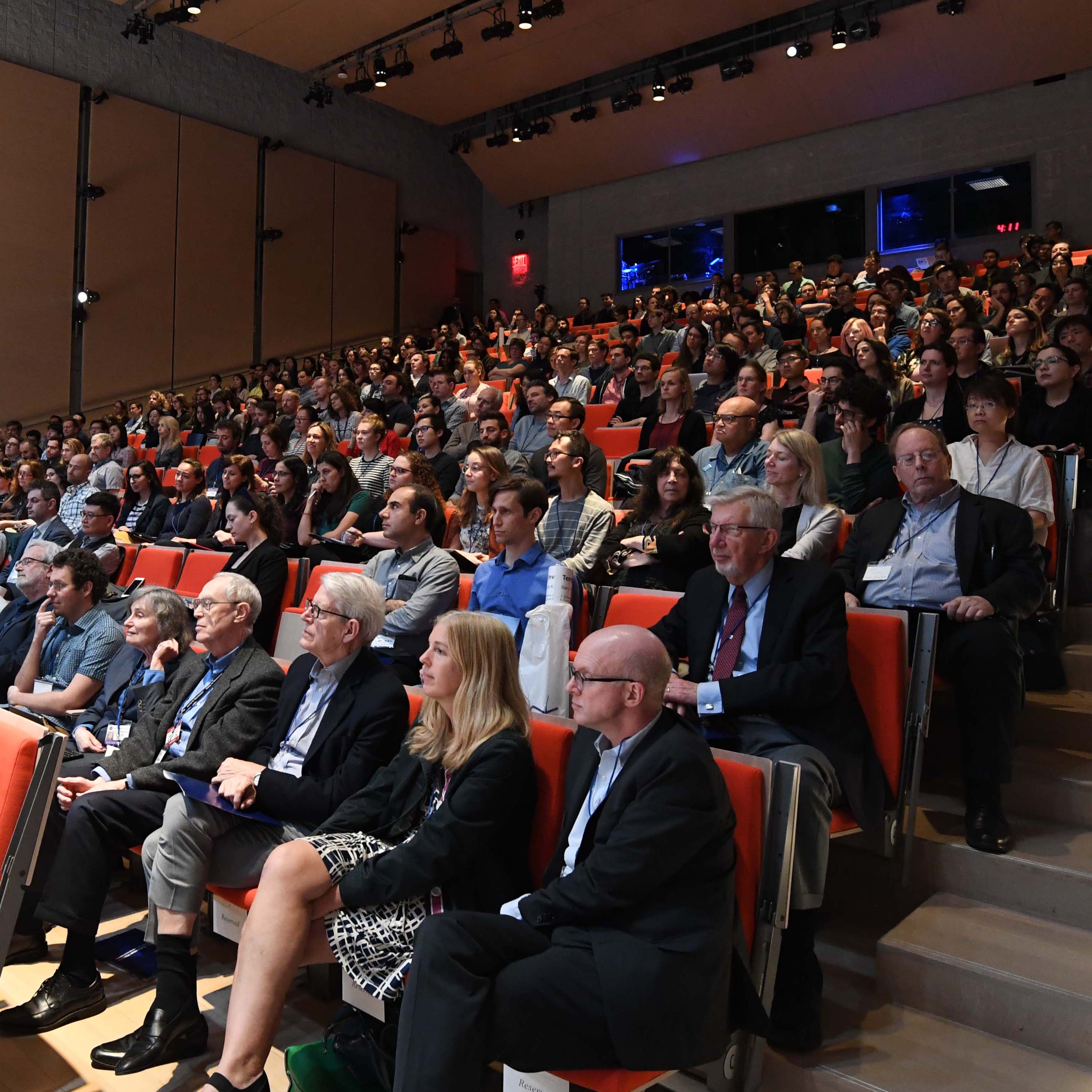
Mind Brain Behavior Symposium is a Meeting of Minds
Columbia’s Zuckerman Institute hosts gathering of leading neuroscientists from across the country
Columbia’s Zuckerman Institute hosts gathering of leading neuroscientists from across the country
Once thought to be a biological oddity, these cellular components’ strange shape may actually indicate a potential new role for mitochondria in the brain.
Columbia study helps settle long-standing scientific debate about how embryos develop, offers clues for diseases like cancer, in which normal development patterns go awry.
Academy recognizes decades of work to map complex pathways that connect the eye to the brain; research that could inform treatments of developmental and vision disorders.

New computer algorithm deciphers DNA’s most well-kept secrets; may help find the links between genes and disease.
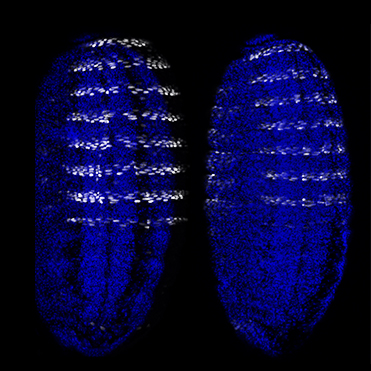
Findings offer clues into comparable survival strategies in people.
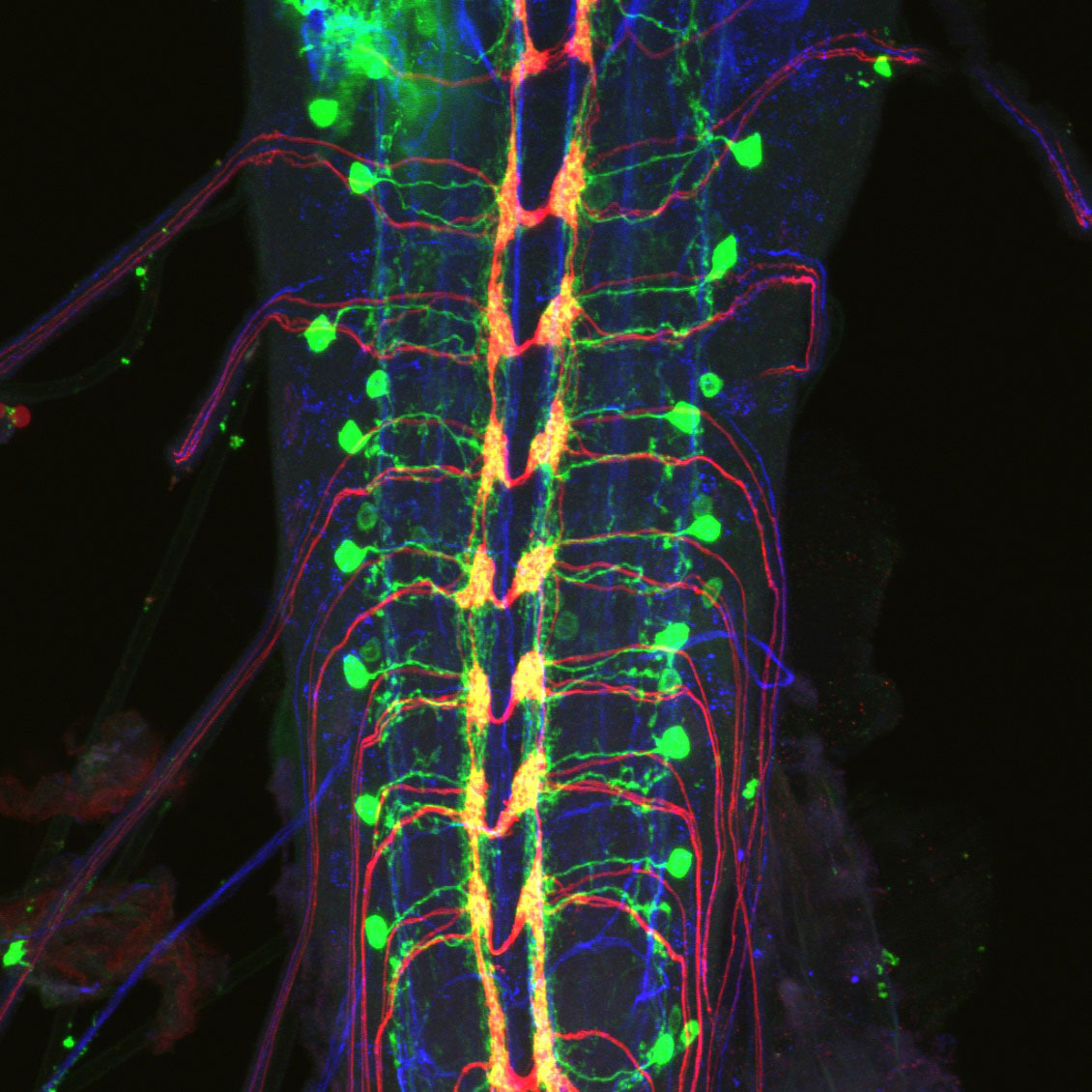
By examining birds' courtship rituals, and deciphering how they learn to sing to each other, Sarah Woolley, PhD, is shedding new light on how two brains can connect to become a pair.

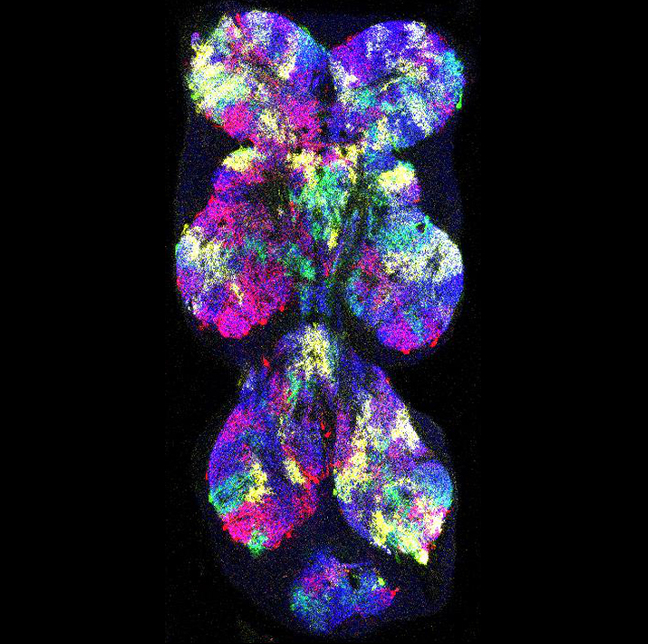
Columbia study in fruit flies sheds light on key aspect of development; findings could build understanding of comparable system in people.
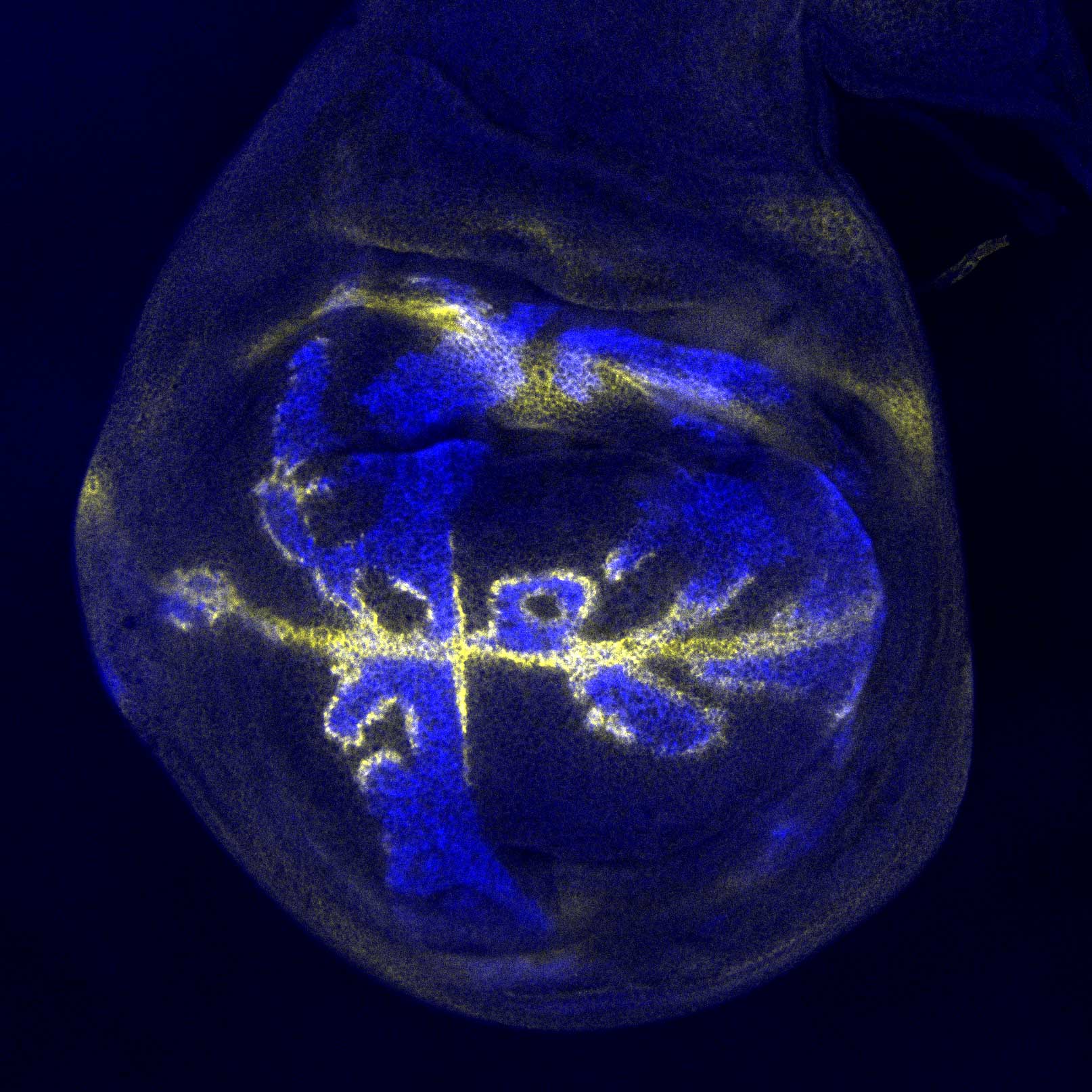
In developing a new tool to trace the proteins that guide cellular development, Columbia scientists are deciphering one of biology’s most ancient systems.
Columbia-led research solves decade-long scientific mystery; lays groundwork for entirely new investigations into cell biology and disease