News
August 12, 2019
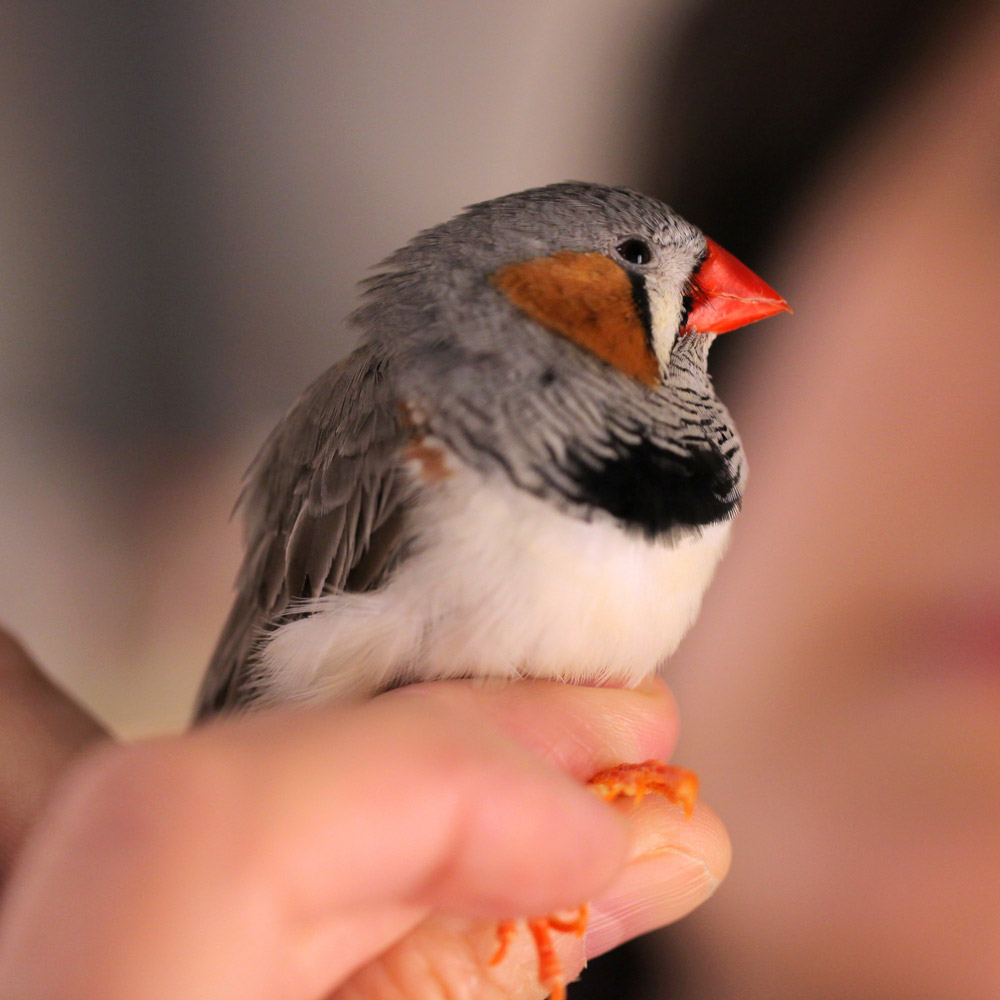
How Young Songbirds Change Their Tune
Columbia study demonstrates unmatched flexibility of the growing brain; offers insight into children’s remarkable ability to learn language
Columbia study demonstrates unmatched flexibility of the growing brain; offers insight into children’s remarkable ability to learn language
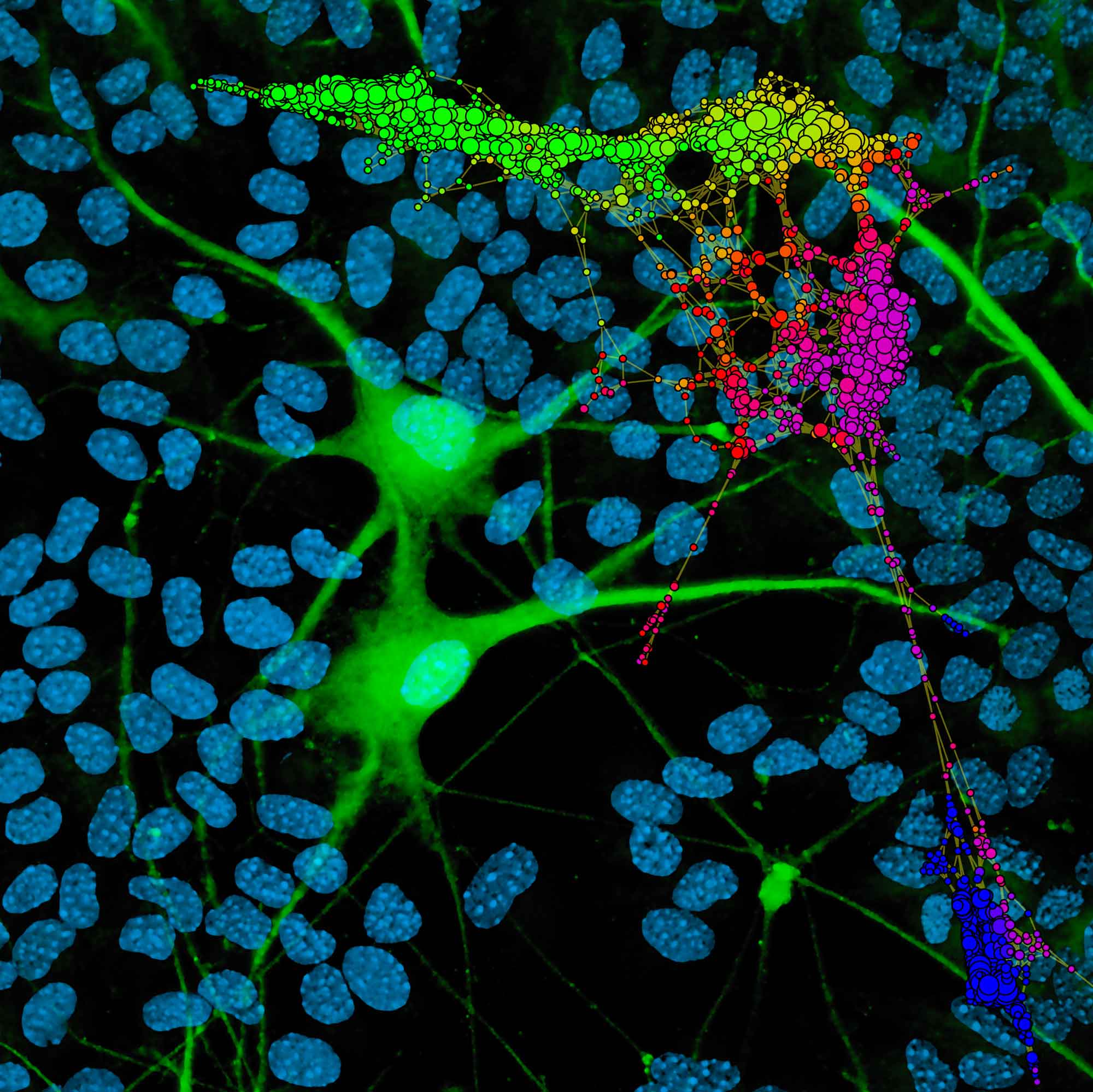
As part of Chan Zuckerberg Initiative's newly formed Seed Networks for the Human Cell Atlas, Columbia team will work to advance broad-scale efforts to treat spinal cord injury and disease.
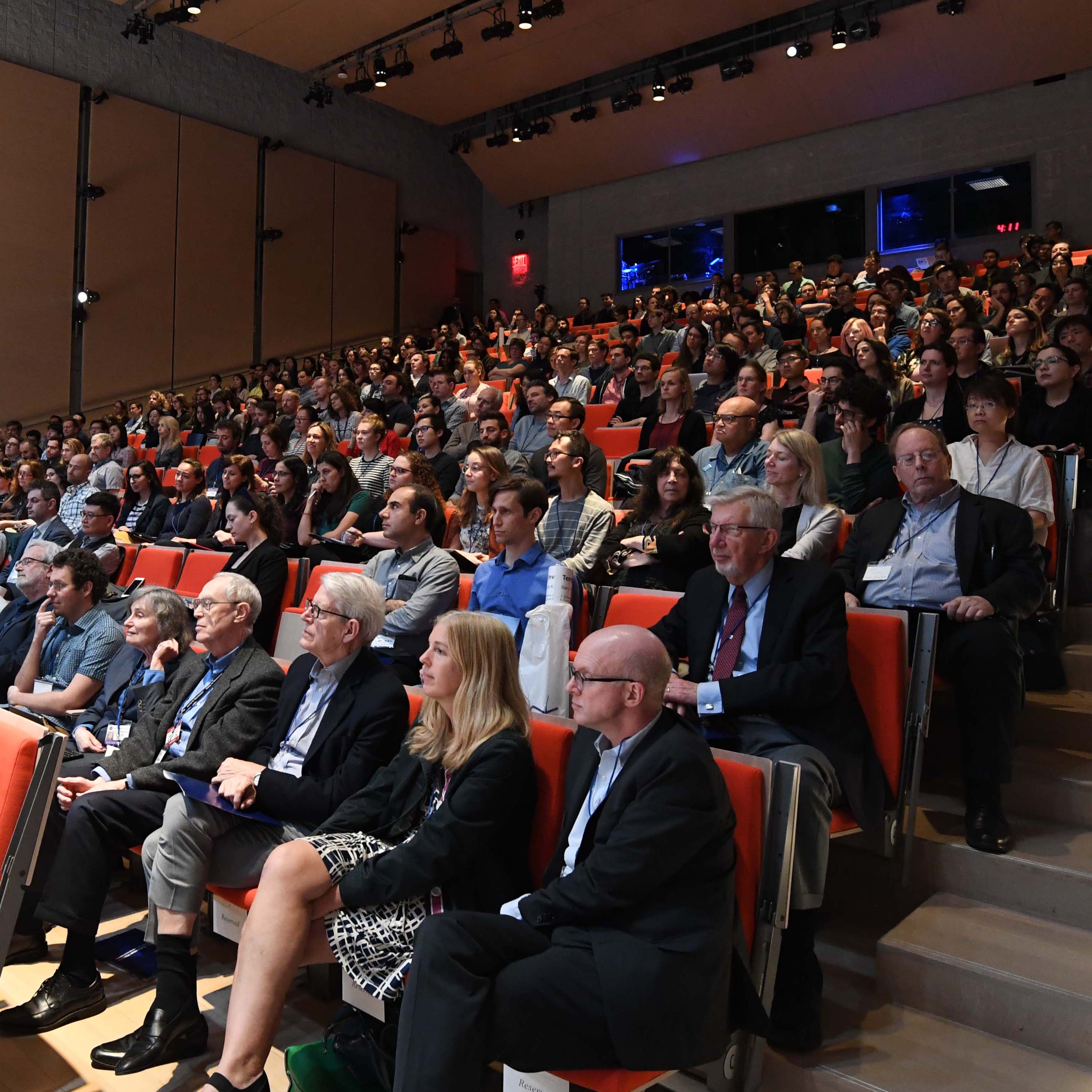
At the 2019 World Science Festival, experts discussed the role that our five senses — smell, taste, sight, hearing and touch — play in helping us to navigate our surroundings.

An international team of researchers demonstrates that our brain need only perform a few lightning-fast statistical calculations to detect key properties of unknown objects.

Columbia engineers develop new AI technology that amplifies correct speaker from a group; breakthrough could lead to better hearing aids.

Columbia’s Zuckerman Institute hosts gathering of leading neuroscientists from across the country
Advanced imaging technologies observe one brain area’s ability to rapidly sense our surroundings; lays groundwork for improvements to machine learning and robotics.

Neuroscientist Jacqueline Gottlieb, PhD, and Economist Michael Woodford, PhD, are working to understand what motivates us to pay attention and invest in certain pieces of information.

Columbia study highlights key role this gene plays in essential biological processes; offers promising new target for combating PTSD, a disorder that impacts women more than men.
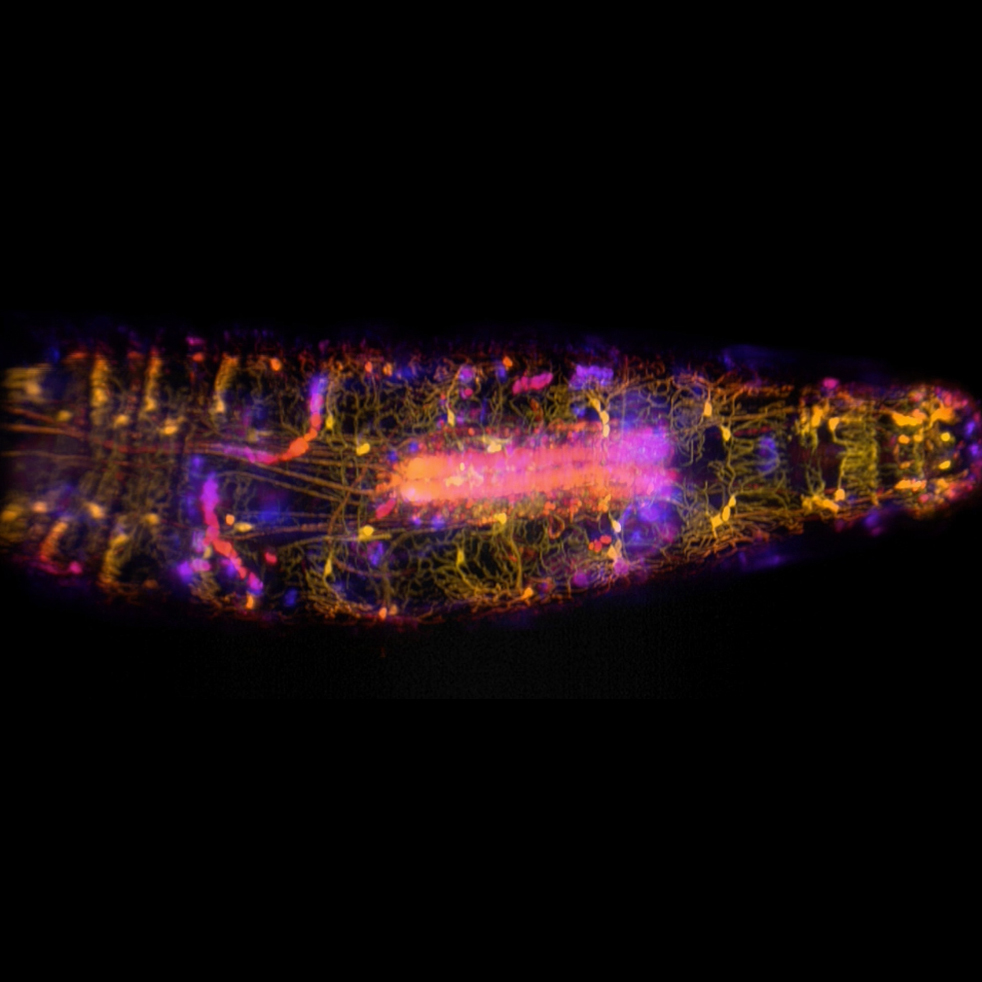
Columbia team harnesses powerful high-speed, 3D SCAPE microscope to uncover never-before-seen details of the fruit fly nervous system, demonstrating SCAPE’s broad potential to decipher the brain.