Disease
October 9, 2019
Columbia Scientists Reverse Core Symptom of Schizophrenia in Adult Mice
Findings reveal potential new strategy for treating people diagnosed with schizophrenia.
Findings reveal potential new strategy for treating people diagnosed with schizophrenia.
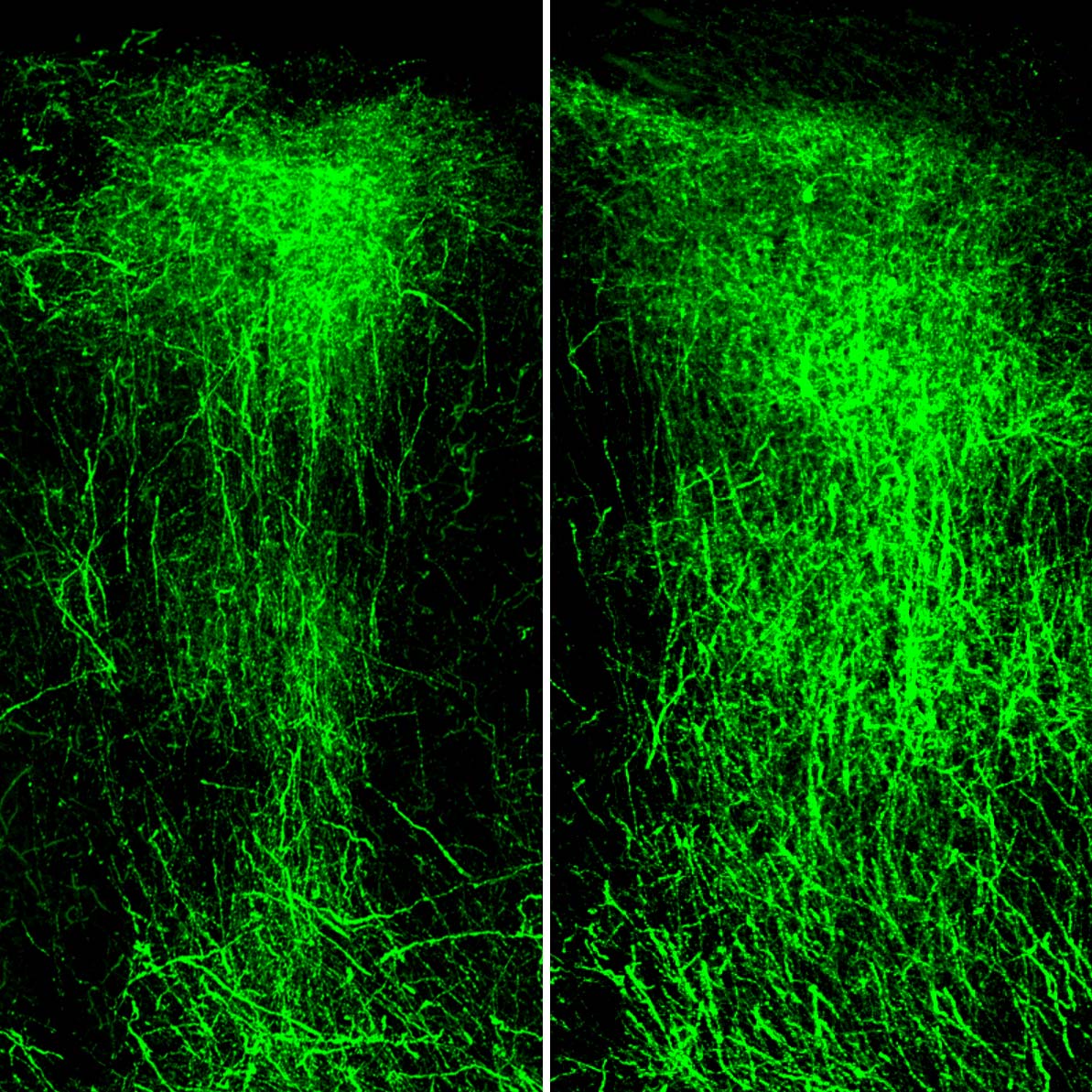
Columbia research in mouse neurons reveals new insights into the biology of memory; offers promising new areas of focus to combat neurodegenerative diseases.
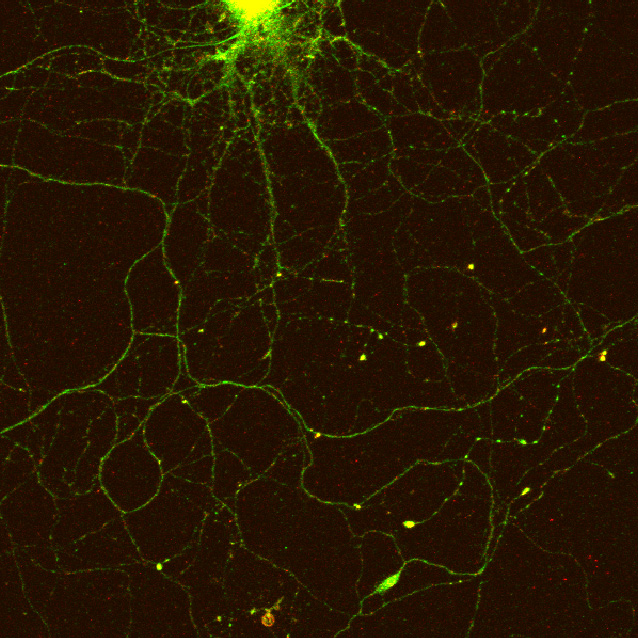
An international team of researchers demonstrates that our brain need only perform a few lightning-fast statistical calculations to detect key properties of unknown objects.

Columbia’s Zuckerman Institute hosts gathering of leading neuroscientists from across the country

Columbia study highlights key role this gene plays in essential biological processes; offers promising new target for combating PTSD, a disorder that impacts women more than men.
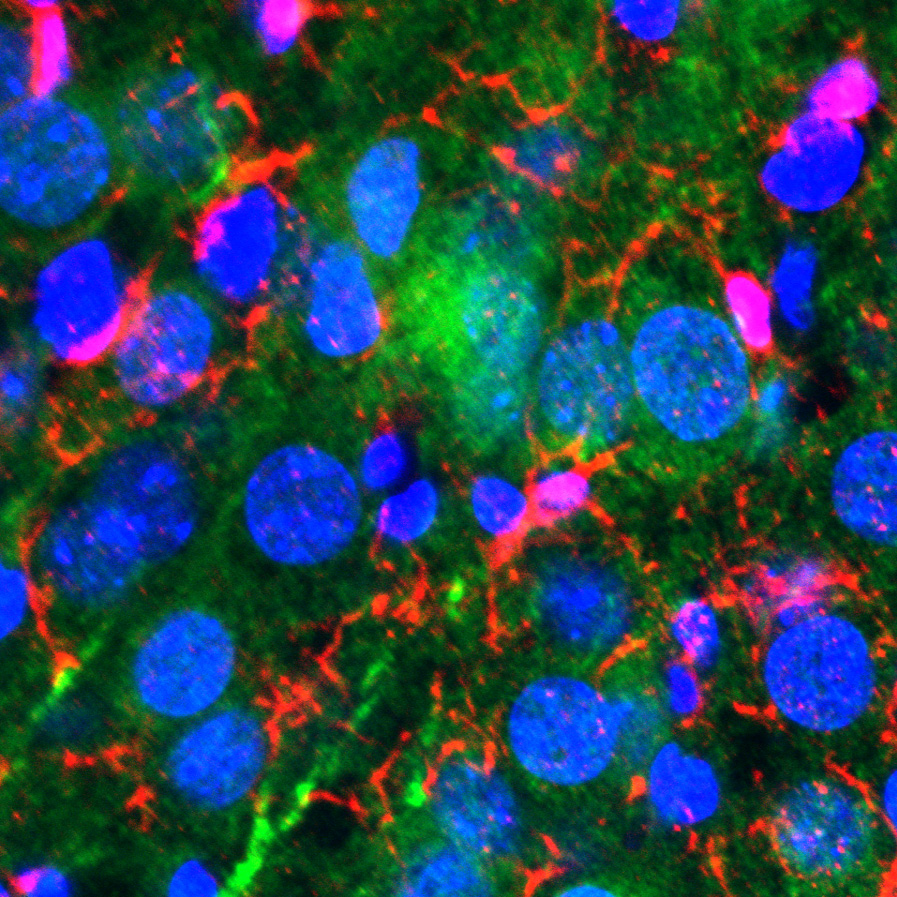
Columbia research demonstrates that the brain’s primitive sensory region also participates in sophisticated learning.
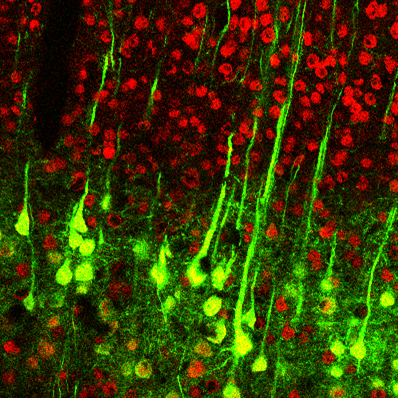
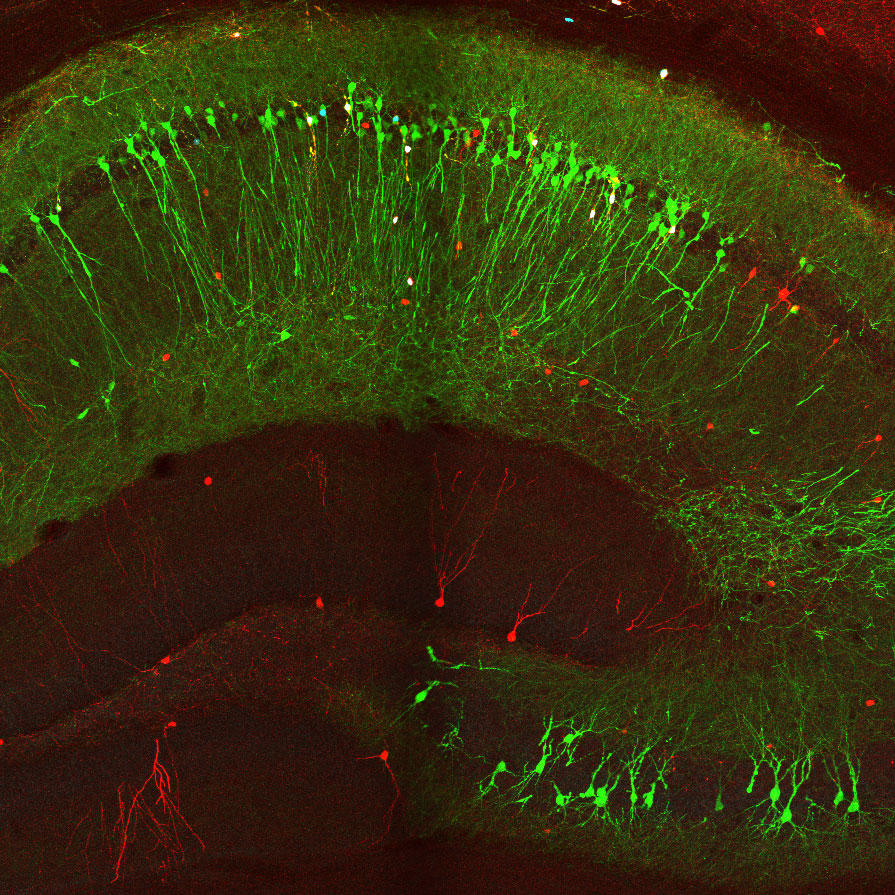
Columbia-led discovery in mice aids efforts to map the circuitry of the brain’s learning center; stands to inform studies of psychiatric disorders in which this circuitry goes awry.
By investigating the phenomenal memory of chickadees, Dmitriy Aronov, PhD, brings a fresh approach to studying how our own brains remember. Now he’s being recognized as one of the nation’s top early-career scientists.
Columbia study in mice reveals importance of memory in driving key social behavior; offers insight into psychiatric disorders such as schizophrenia.
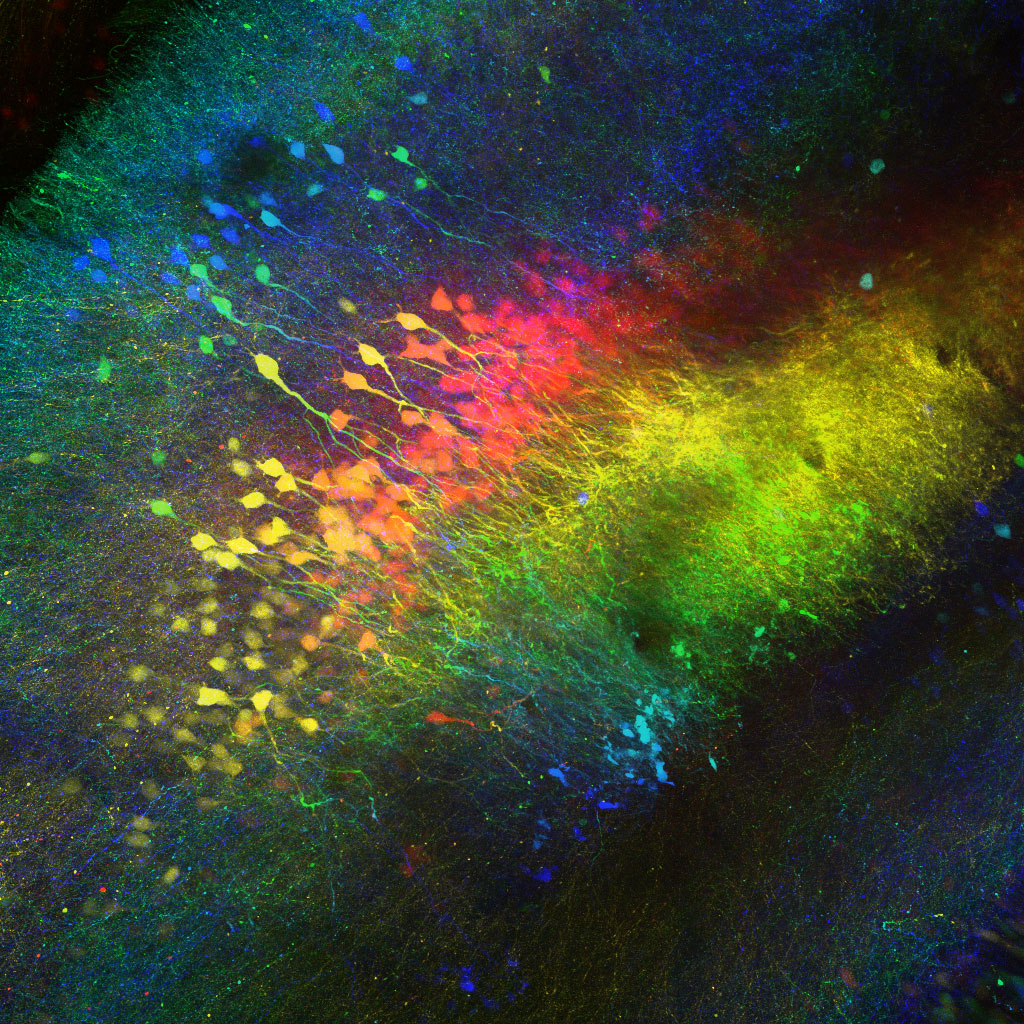
New study reveals that the brain plays back and prioritizes high-reward events for later retrieval and filters out the neutral, inconsequential events.