How People Use, and Lose, Preexisting Biases to Make Decisions
New Columbia research shows that the human brain employs precise, mathematical logic to decision-making, revealing new insight into the brain science that guides learning.

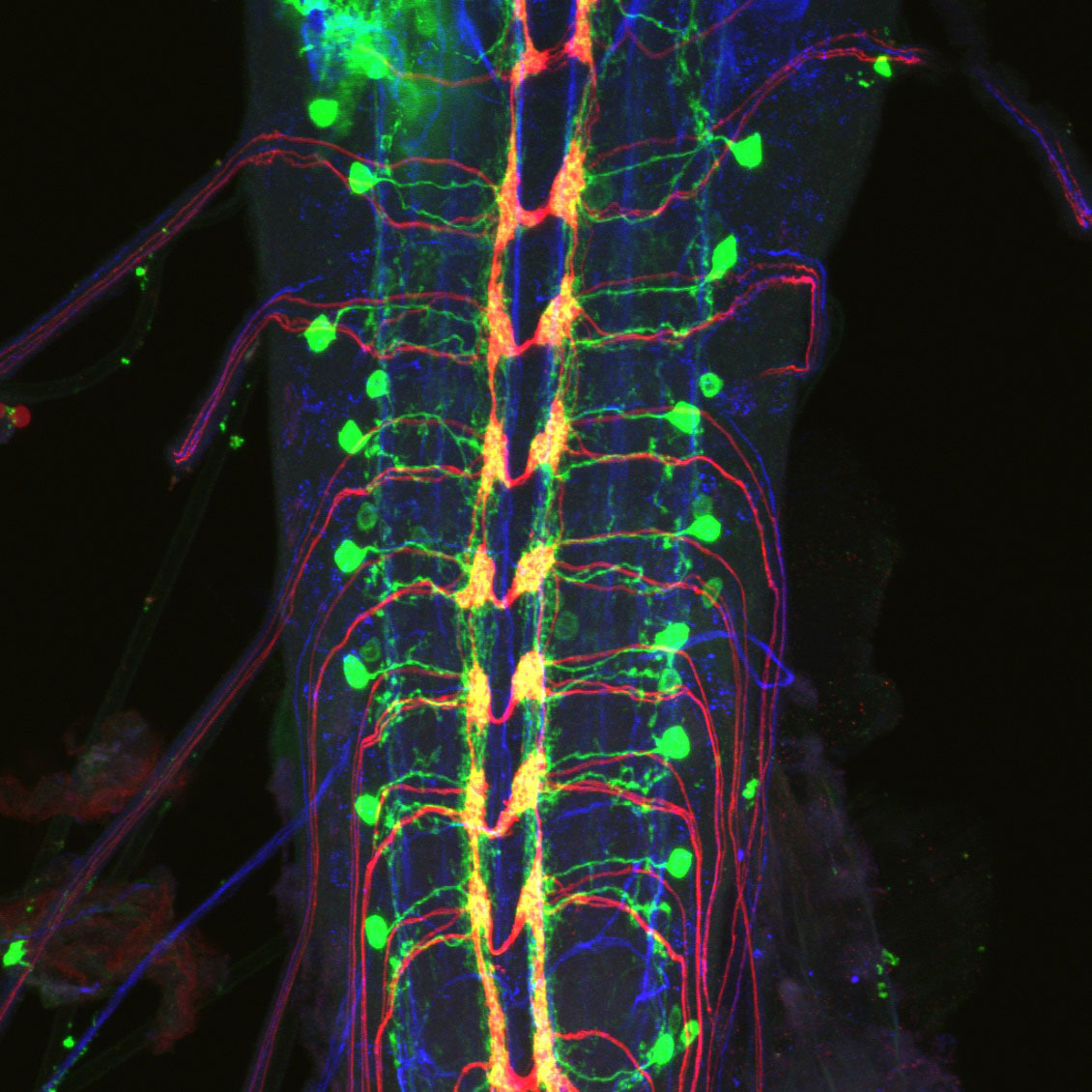
Columbia research identifies neural-circuit activity in electric fish that could explain how humans subtract out signals generated by our own bodies; could inform studies of sensory disorders such as tinnitus.
Columbia study shows that altering activity in brain’s emotion center can eliminate the natural craving for sweet; findings could inform treatments for eating disorders.
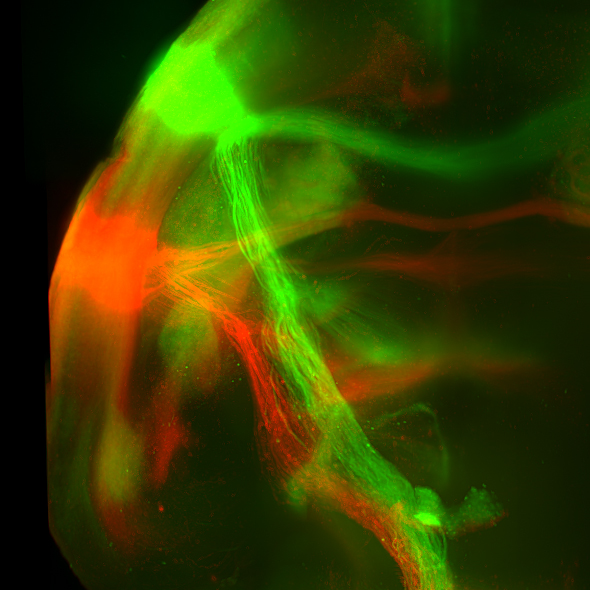
Academy recognizes decades of work to map complex pathways that connect the eye to the brain; research that could inform treatments of developmental and vision disorders.
Columbia researchers develop mathematical model that proposes new and critical role for neurons in the brain’s smell center.
New computer algorithm deciphers DNA’s most well-kept secrets; may help find the links between genes and disease.
Andrés Bendesky, MD, PhD, argues that deciphering the astounding diversity of animal behaviors will help to gain insight into ourselves. In appreciation of this work, he is now being recognized as one of the most promising early-career scientists in America.
Findings offer clues into comparable survival strategies in people.
New study in mice shows how the brain learns to reproduce patterns of brain activity that lead to reward; provides insights for treating addiction and obsessive-compulsive disorder.
Nima Mesgarani, PhD, deciphers how the human brain distinguishes and interprets the sounds we hear. Now, he’s being recognized as one of 2018’s top innovators for his achievements.