Computation
November 2, 2018
Columbia-led Team Receives $16.75M from the BRAIN Initiative
Award unites different fields of brain research to foster an innovative, interdisciplinary approach to deciphering the brain.
Award unites different fields of brain research to foster an innovative, interdisciplinary approach to deciphering the brain.
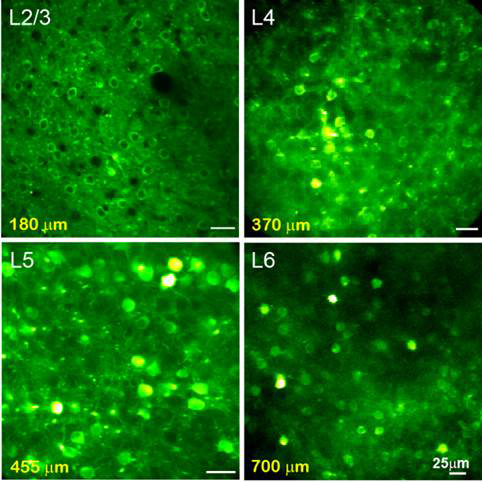
Then November, when you join millions in voting, take a moment to ask yourself: How did my brain make this decision? Before going into the voting both, join Michael Shadlen, MD, PhD, on a journey inside the brain.

Meet the scientists leveraging technological advances to reveal aspects of the disease long hidden from view.
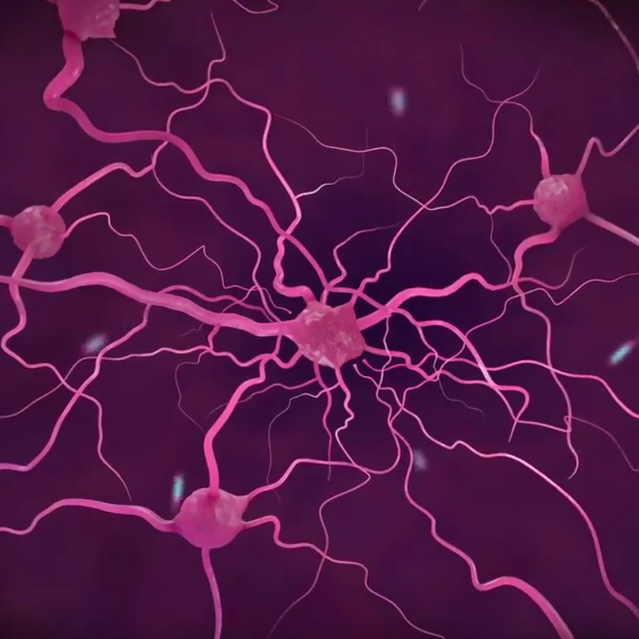
Columbia scientists reveal new details of how a naturally occurring hormone can boost memory in aging mice, laying the groundwork for staving off this form of memory loss in people.
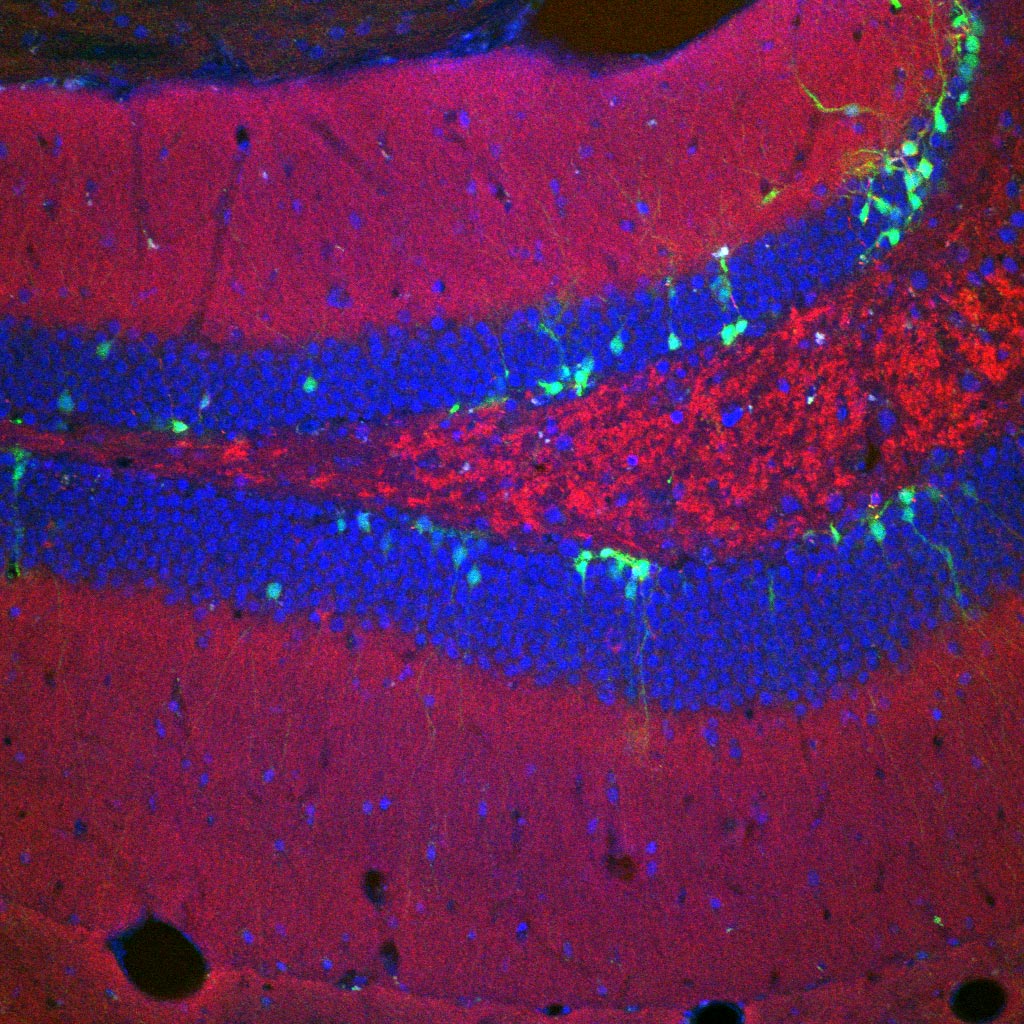
By determining the molecular signatures of Alzheimer’s, CTE and other conditions, Anthony Fitzpatrick and his research team to pave way for treatments that target hallmarks of neurodegenerative disease.
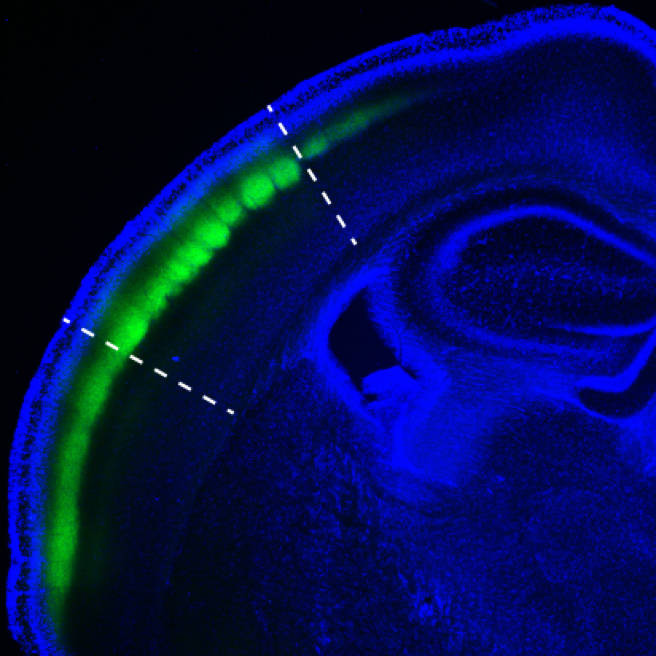
Columbia research in mice finds unexpected resilience in the brain; findings could inform future treatment approaches for patients recuperating from stroke or other brain trauma.
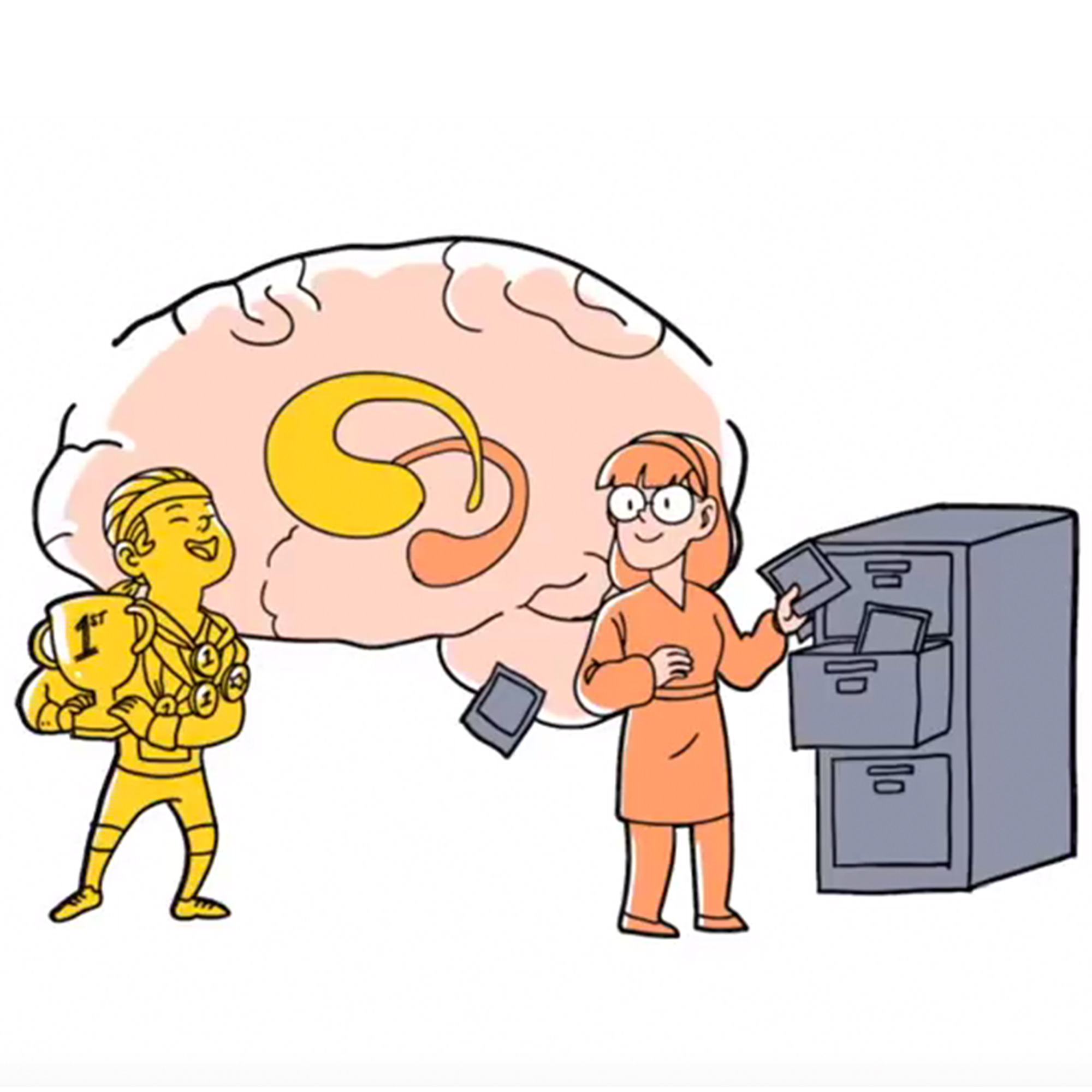
As millions of teens head back to the classroom, discover what the latest research into the adolescent brain reveals about how teens learn and interact with their environment.
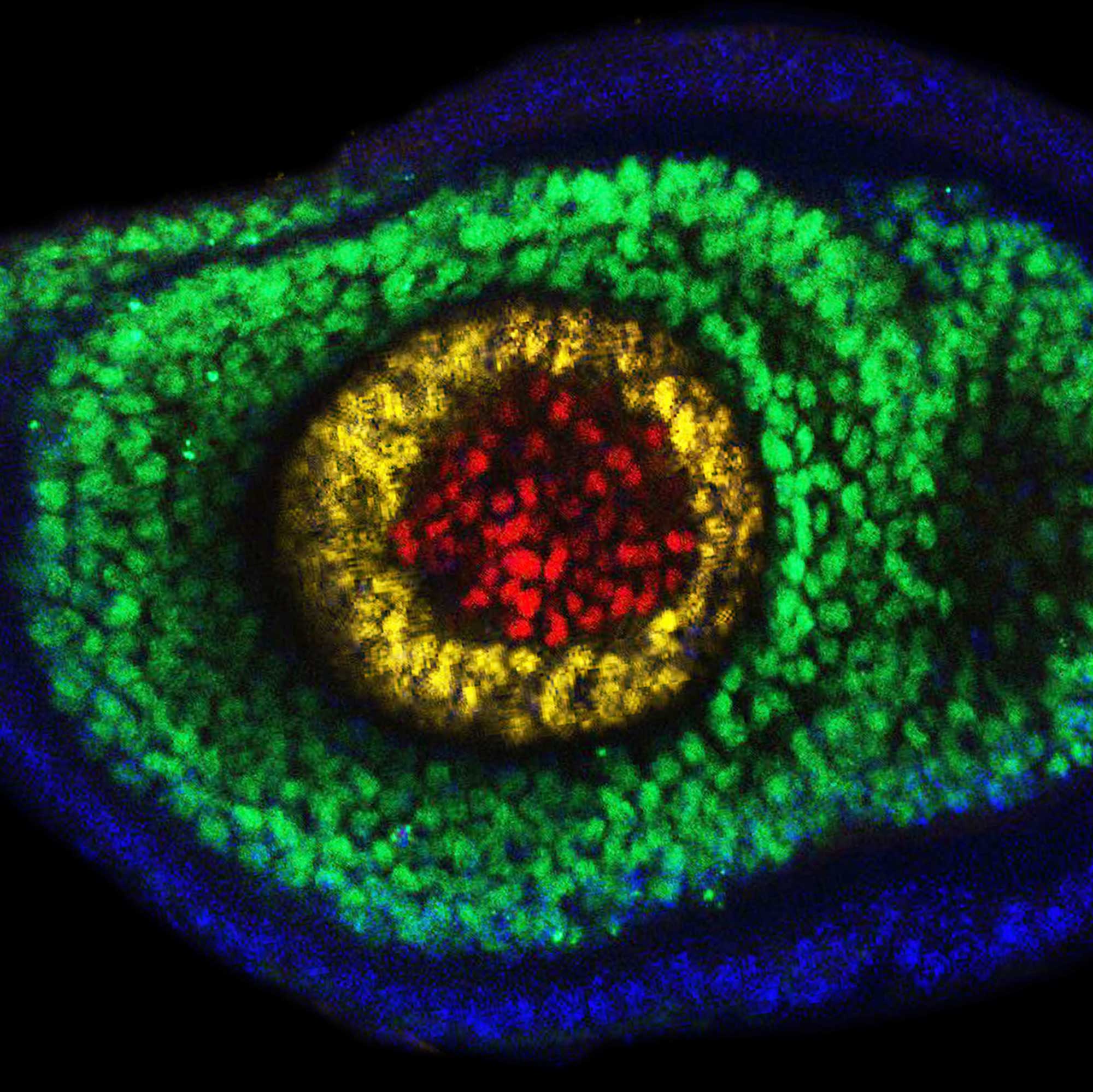
Columbia study helps settle long-standing scientific debate about how embryos develop, offers clues for diseases like cancer, in which normal development patterns go awry.
New Columbia research shows that the human brain employs precise, mathematical logic to decision-making, revealing new insight into the brain science that guides learning.

Columbia research identifies neural-circuit activity in electric fish that could explain how humans subtract out signals generated by our own bodies; could inform studies of sensory disorders such as tinnitus.