Learning & Memory
October 5, 2016
Brain Study Reveals How Teens Learn Differently Than Adults
Columbia-led research finds adolescents’ ability to remember is closely linked to reward-learning behavior.
Columbia-led research finds adolescents’ ability to remember is closely linked to reward-learning behavior.

Advance helps to resolve this long-standing scientific question; offers framework to guide future studies of memory.

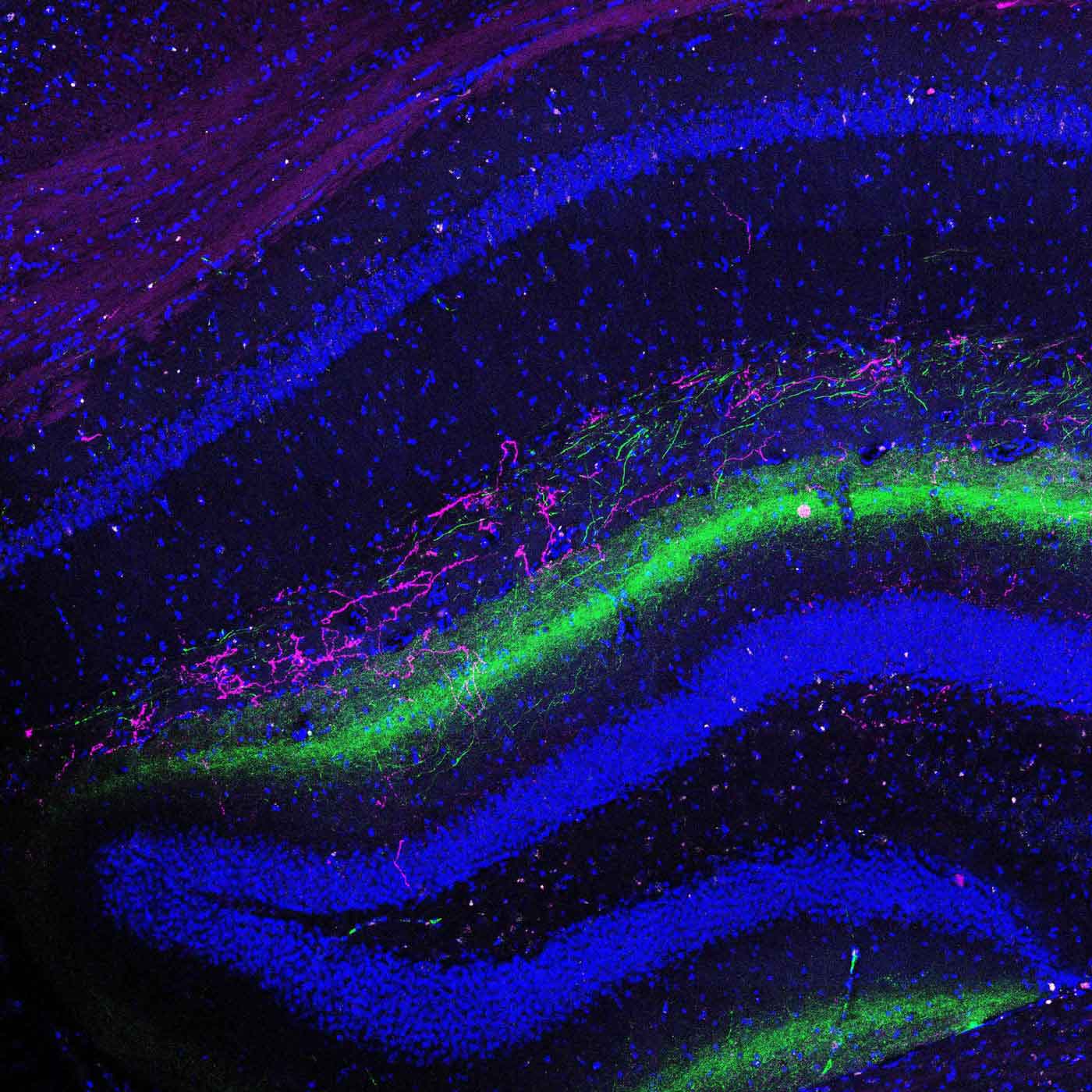
Scientists track brain-cell activity of mice in real time, gain insight into how the brain stores and organizes information
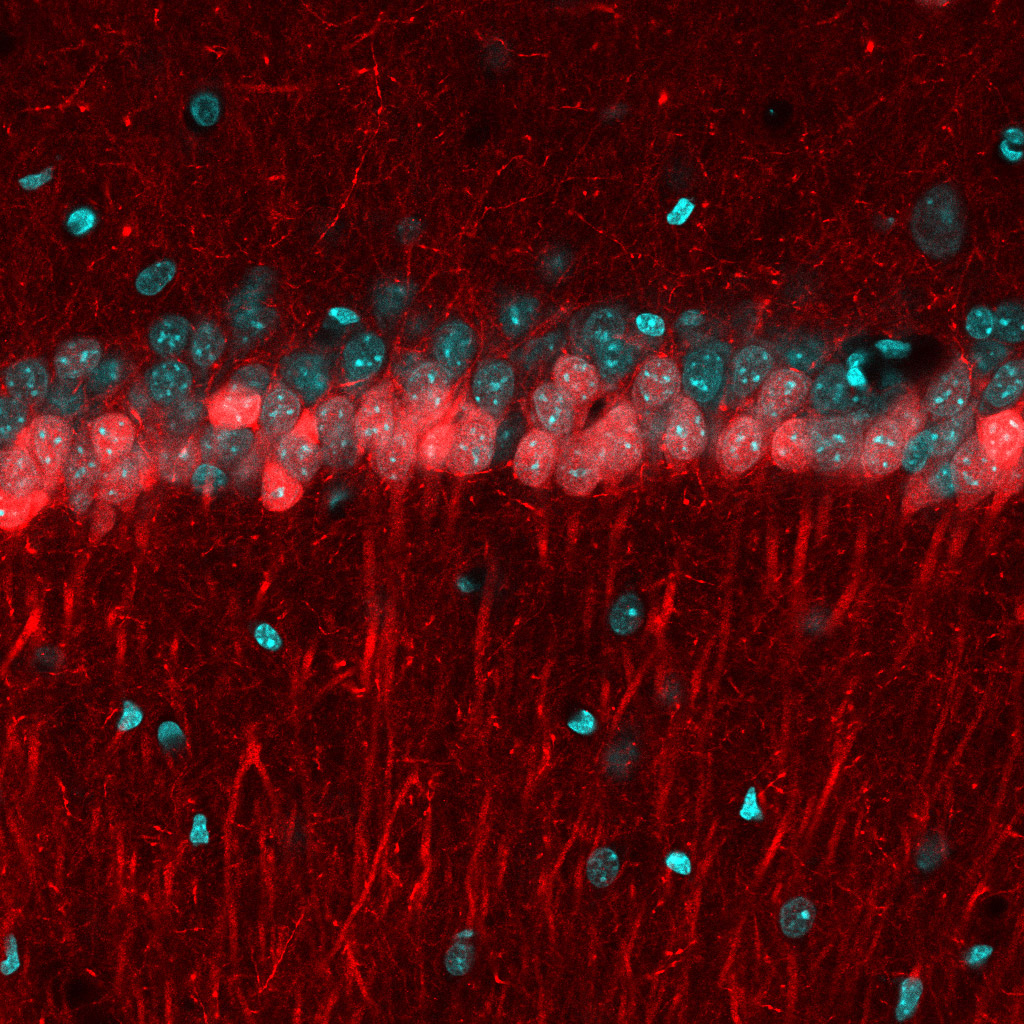
The Art Newspaper posed a simple question to a panel at New York’s Museum of Modern Art: “What is art for?” On that panel was Columbia University neuroscientist Eric Kandel, MD, who had simple answer.

The World Science Festival concluded by addressing one of the hardest questions in science: How do our brains give rise to our sense of self?
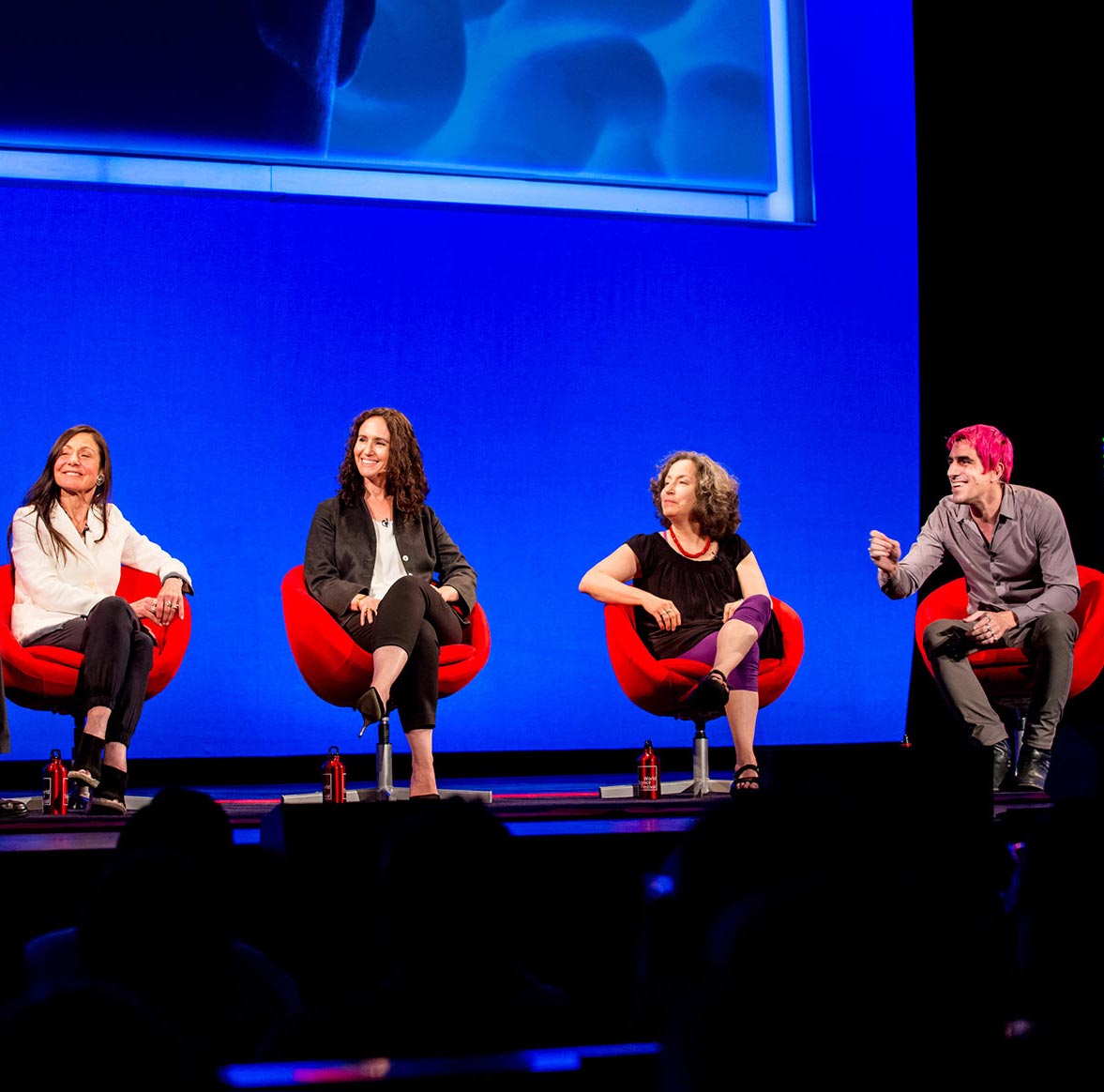
What happens in the brain of a jazz musician when he or she plays a tune — and what happens in the brains of audience members when they hear it.

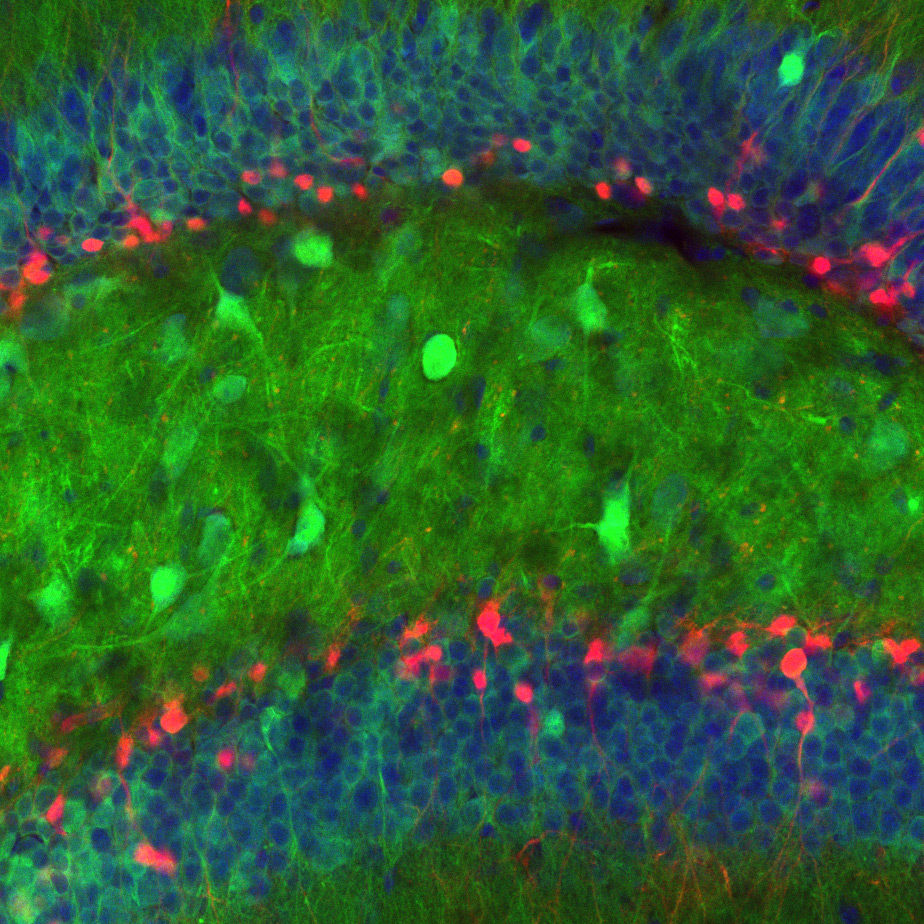
Columbia neuroscientists have described the activity of newly generated brain cells in awake mice and revealed the critical role these cells play in forming memories.
Randy Bruno recently made a discovery that turned the field of neuroscience on its head.
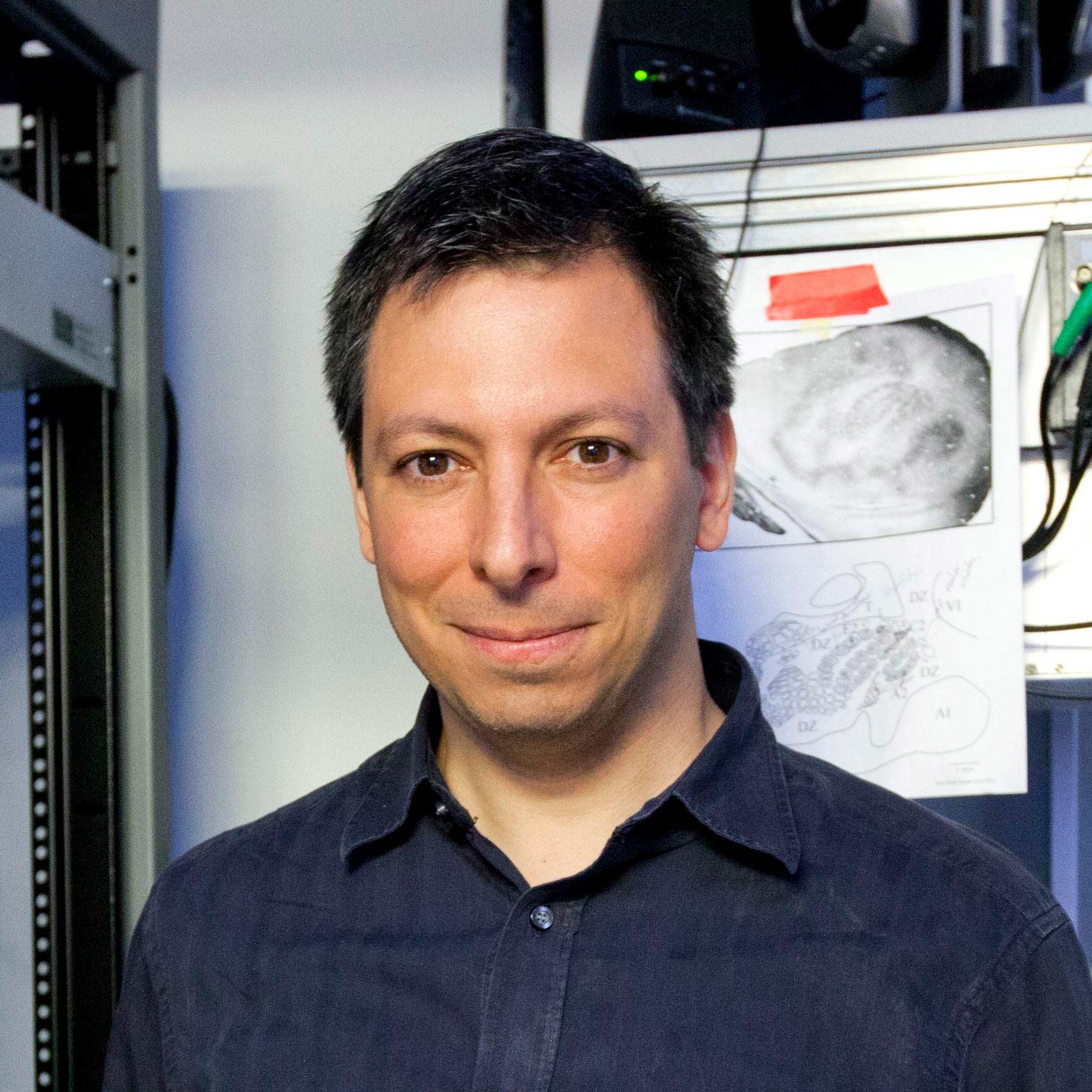
A Conversation with two Columbia scientists who consulted on the Oscar-nominated film.
Study also reveals what can happen when that circuitry is disrupted — and may offer new insight into the treatment of conditions such as posttraumatic stress, panic and anxiety disorders.