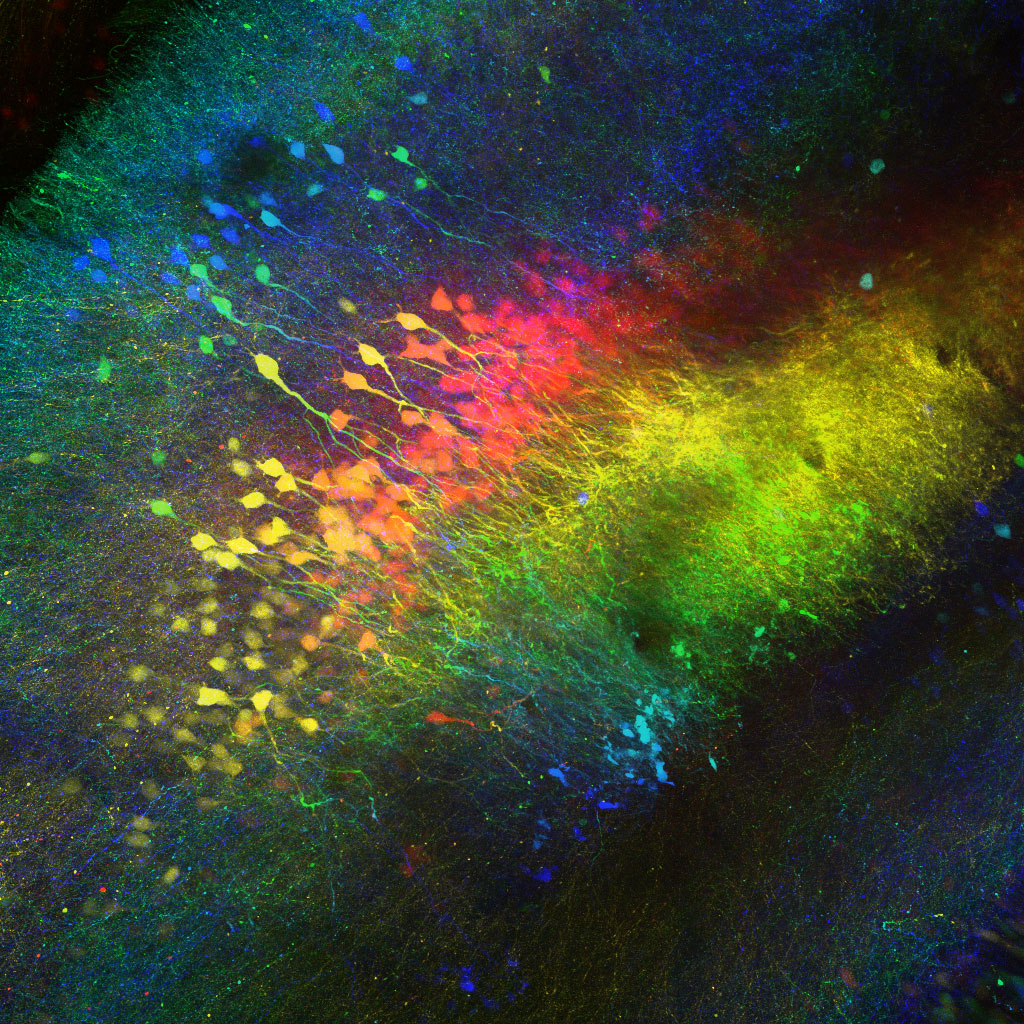
The Gene That Keeps PTSD-like Behavior at Bay in Female Mice
Columbia study highlights key role this gene plays in essential biological processes; offers promising new target for combating PTSD, a disorder that impacts women more than men.
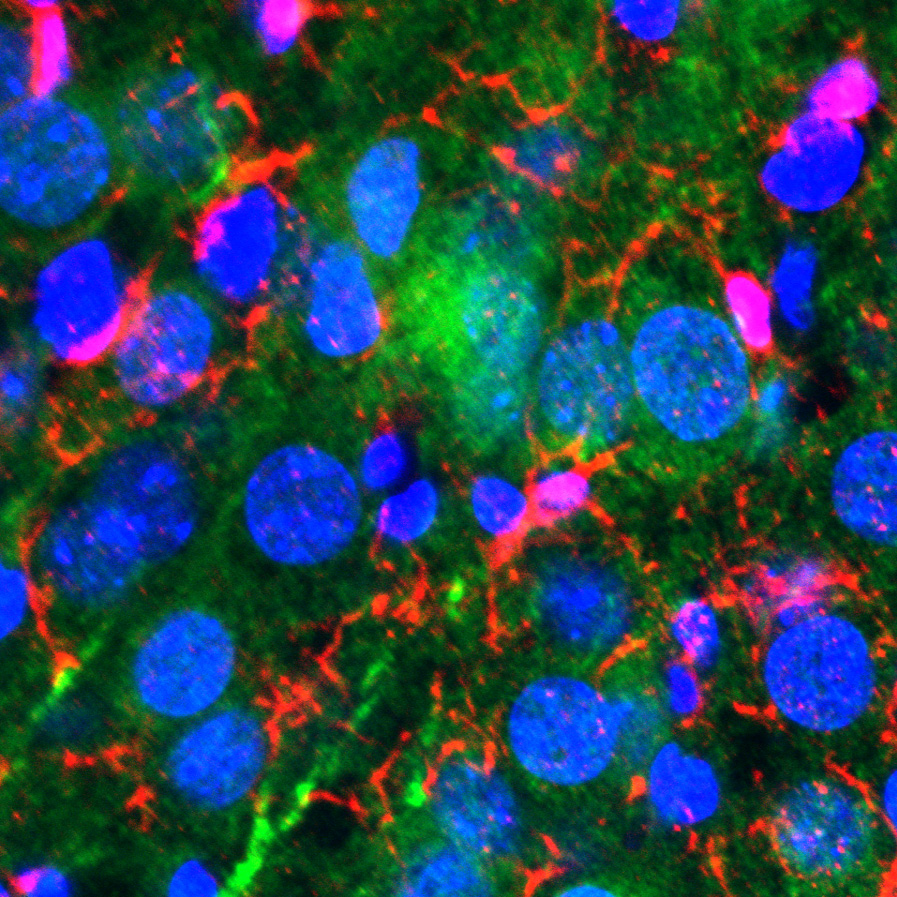
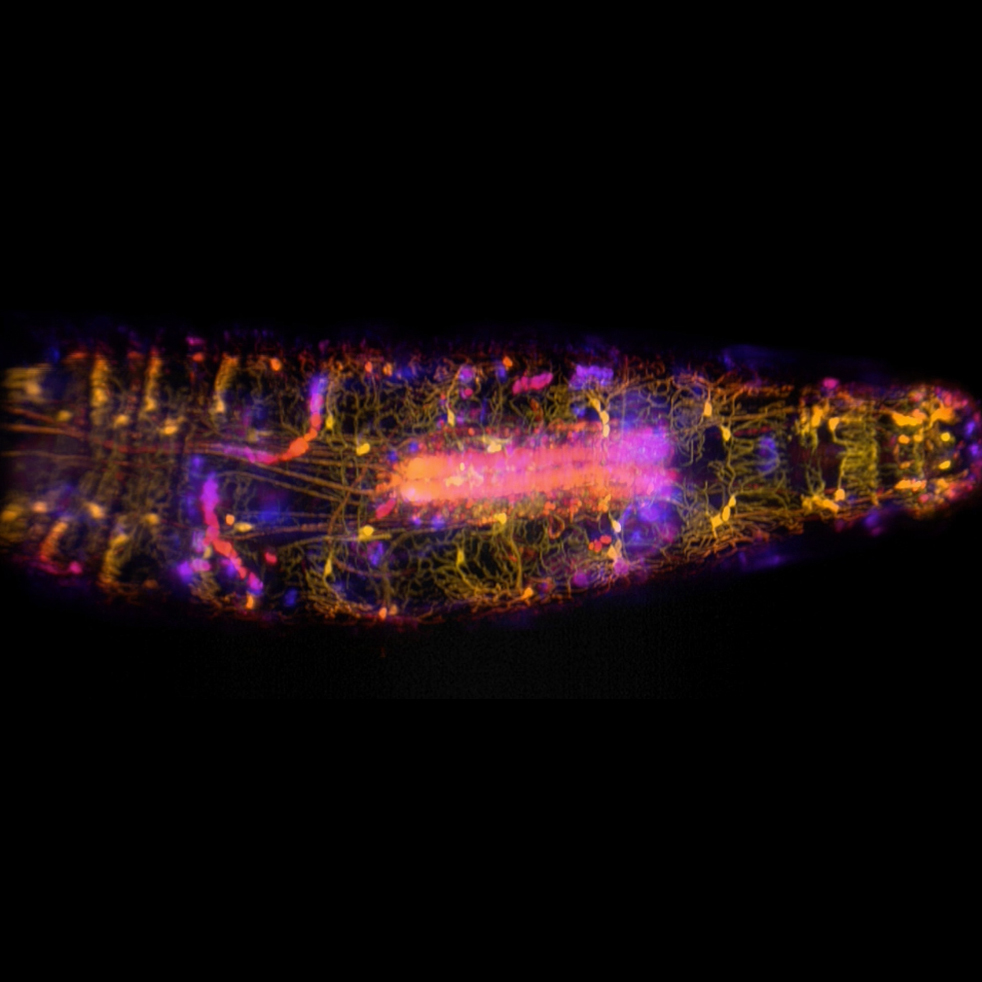
Columbia team harnesses powerful high-speed, 3D SCAPE microscope to uncover never-before-seen details of the fruit fly nervous system, demonstrating SCAPE’s broad potential to decipher the brain.
Columbia research demonstrates that the brain’s primitive sensory region also participates in sophisticated learning.
On this International Day of Women and Girls in Science, we hope that girls around the world will be inspired by the work of Elizabeth Hillman, PhD, and carve their own paths into science and engineering.
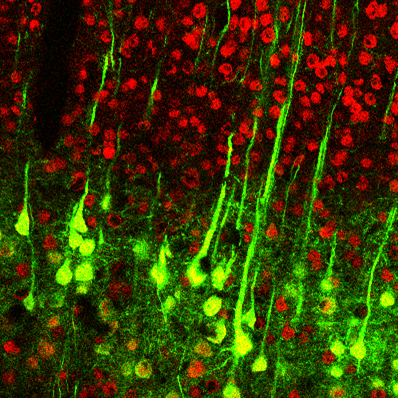
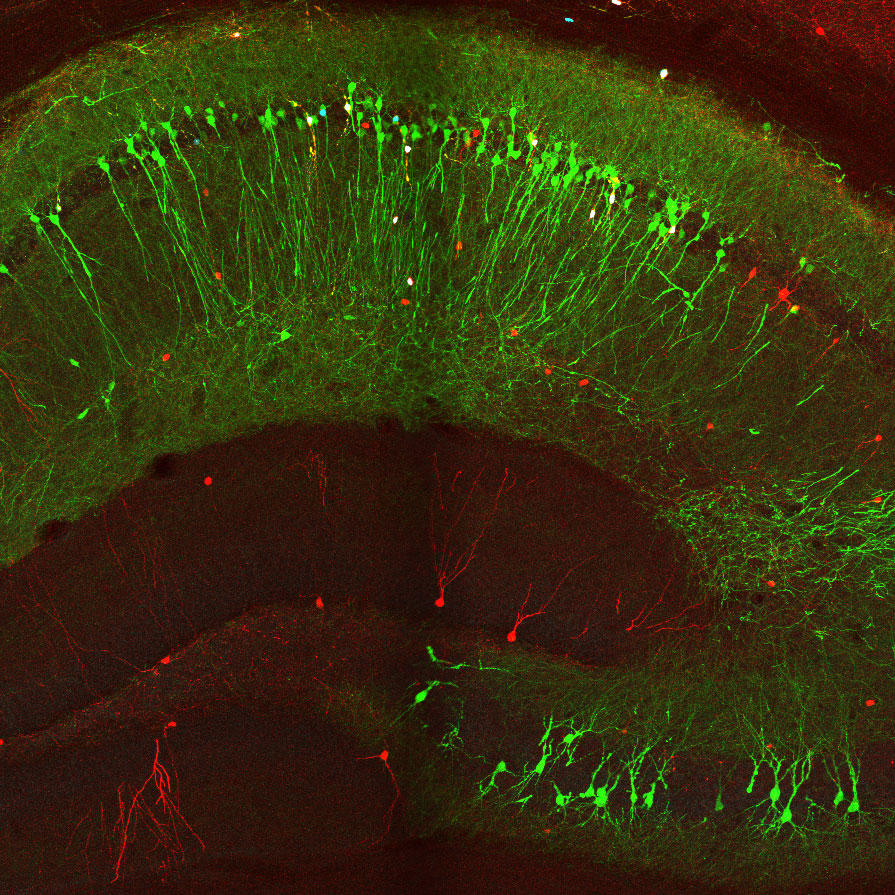
Columbia-led discovery in mice aids efforts to map the circuitry of the brain’s learning center; stands to inform studies of psychiatric disorders in which this circuitry goes awry.
Advance marks critical step toward brain-computer interfaces that hold immense promise for those with limited or no ability to speak.
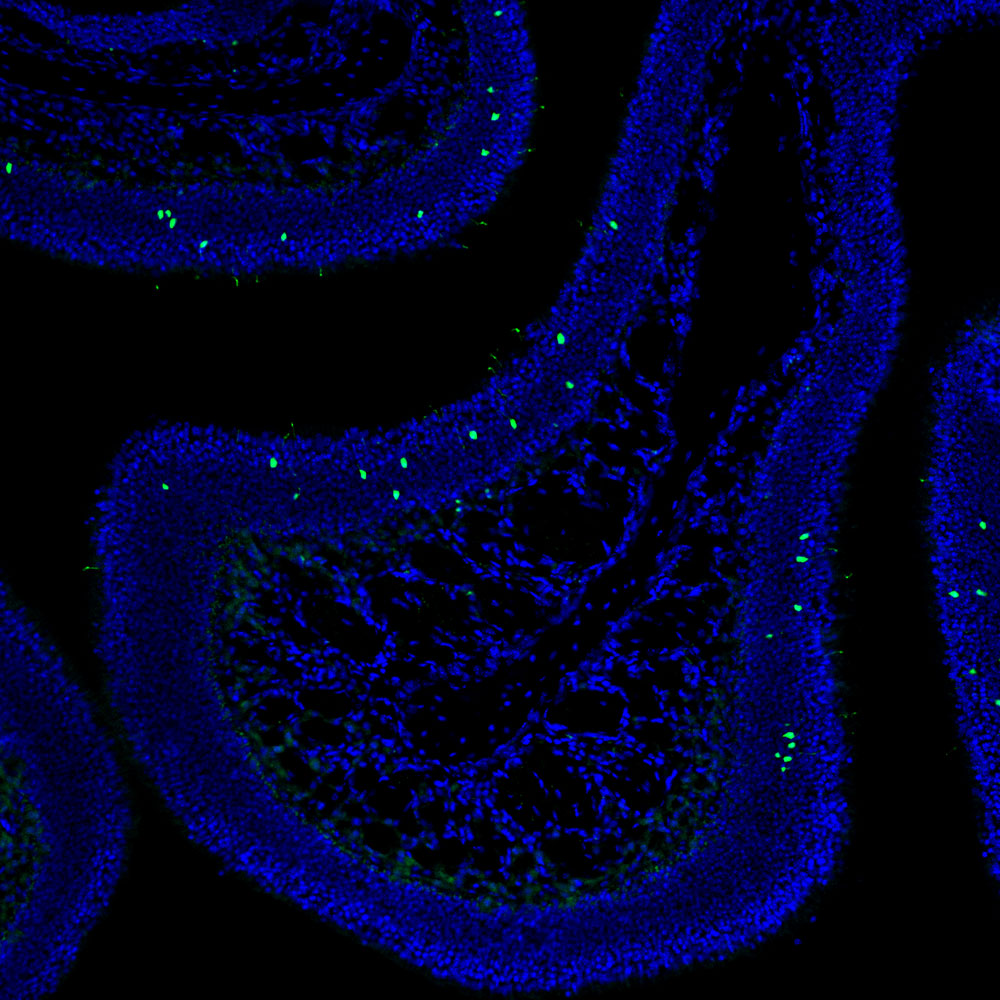
Armed with advanced genomic tools, Columbia scientists have uncovered an ingenious mechanism that underlies the brain’s ability to distinguish different smells.
Nima Mesgarani, PhD, is studying how your brain picks out individual voices from a crowd — and using this knowledge to build a better hearing aid that reads your mind.
By investigating the phenomenal memory of chickadees, Dmitriy Aronov, PhD, brings a fresh approach to studying how our own brains remember. Now he’s being recognized as one of the nation’s top early-career scientists.
Columbia study in mice reveals importance of memory in driving key social behavior; offers insight into psychiatric disorders such as schizophrenia.