Tools & Technology
July 2, 2020
Lab in the Time of Coronavirus Podcast: "Masks Come Clean"
Researchers put to the test procedures for cleaning N95 face masks at home, using common appliances that generate heat.
Researchers put to the test procedures for cleaning N95 face masks at home, using common appliances that generate heat.

As the world waits for a COVID-19 vaccine, researchers in New York are developing a way to treat people who have the virus with antibodies collected from those who have recovered.
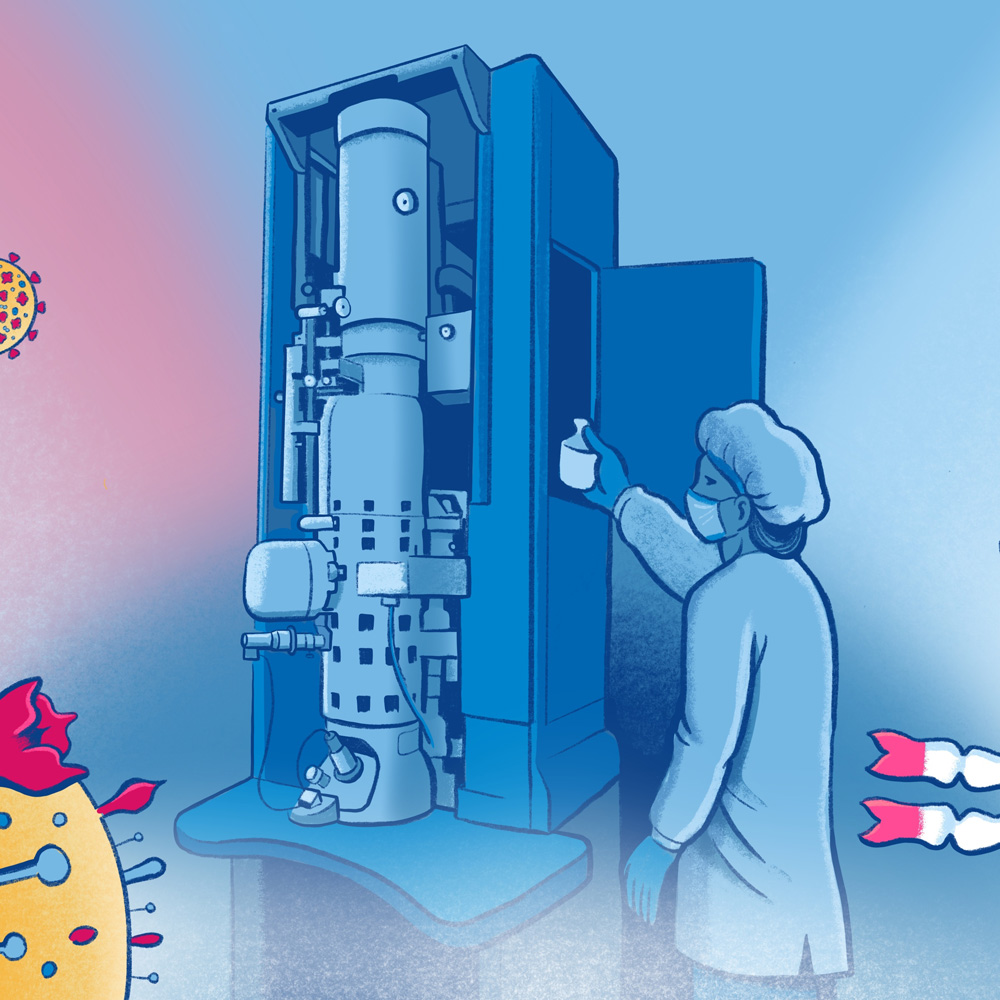
Tune in to learn how researchers at Columbia’s Zuckerman are creating a new kind of COVID test: a home kit that could help to keep people safe as the Institute and the nation ramp up operations.
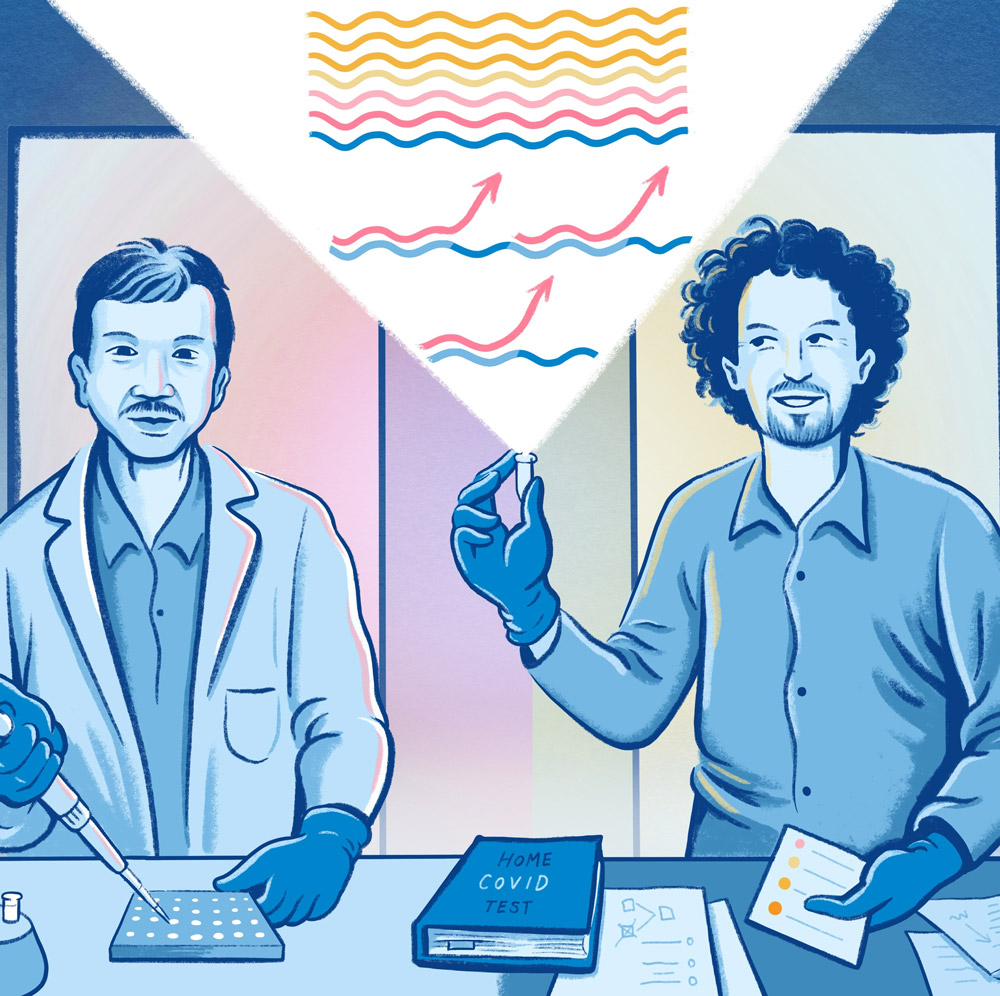
In the midst of the uncertainty caused by COVID-19, a new forum has emerged that brings together leading researchers, physicians and scholars from across the world. Tune in to this week’s episode to hear about Columbia’s Virtual COVID-19 Symposium, a weekly gathering where the latest research is shared with a speed and openness unthinkable before the virus.
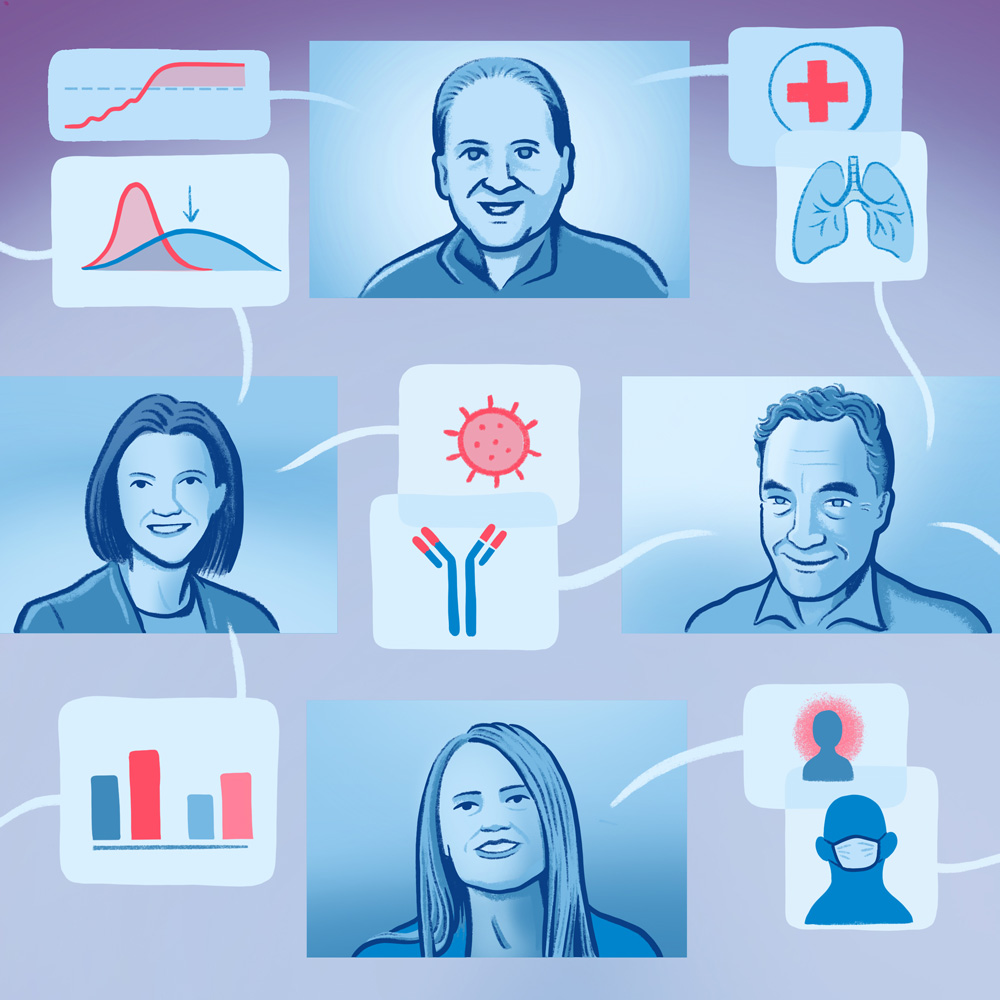
How did a young Columbia researcher organize hundreds of scientists to combat coronavirus in a matter of days? Tune in to hear about Columbia Researchers Against COVID-19: a veritable army of volunteers tackling everything from cataloguing COVID samples for research studies to delivering scrubs to keep healthcare workers safe.
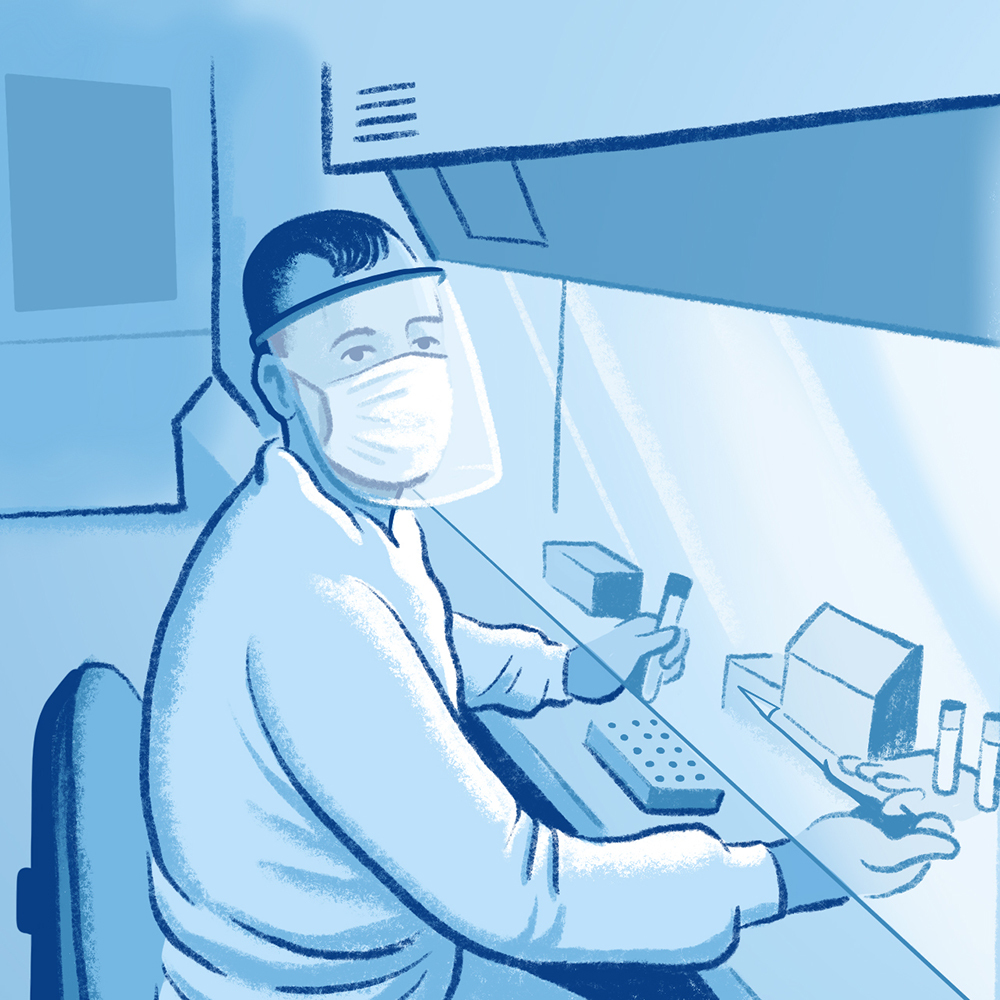
Follow a team developing a COVID-proof shield: a device that could cleanse infected air and protect doctors from infections even after the pandemic ends.

Columbia-led research in rats uncovers unexpected interplay between the two drugs; sheds new light on the neurobiology of drug use in adolescence.
Tune in to our new podcast. Follow a team young brain researchers who transformed a laboratory workspace into a factory, 3D printing face shield parts to keep healthcare workers safe.

Findings in mice provide new insight into the link between seizures and tumor progression; can help develop improved diagnostics and treatments for deadly form of brain cancer.
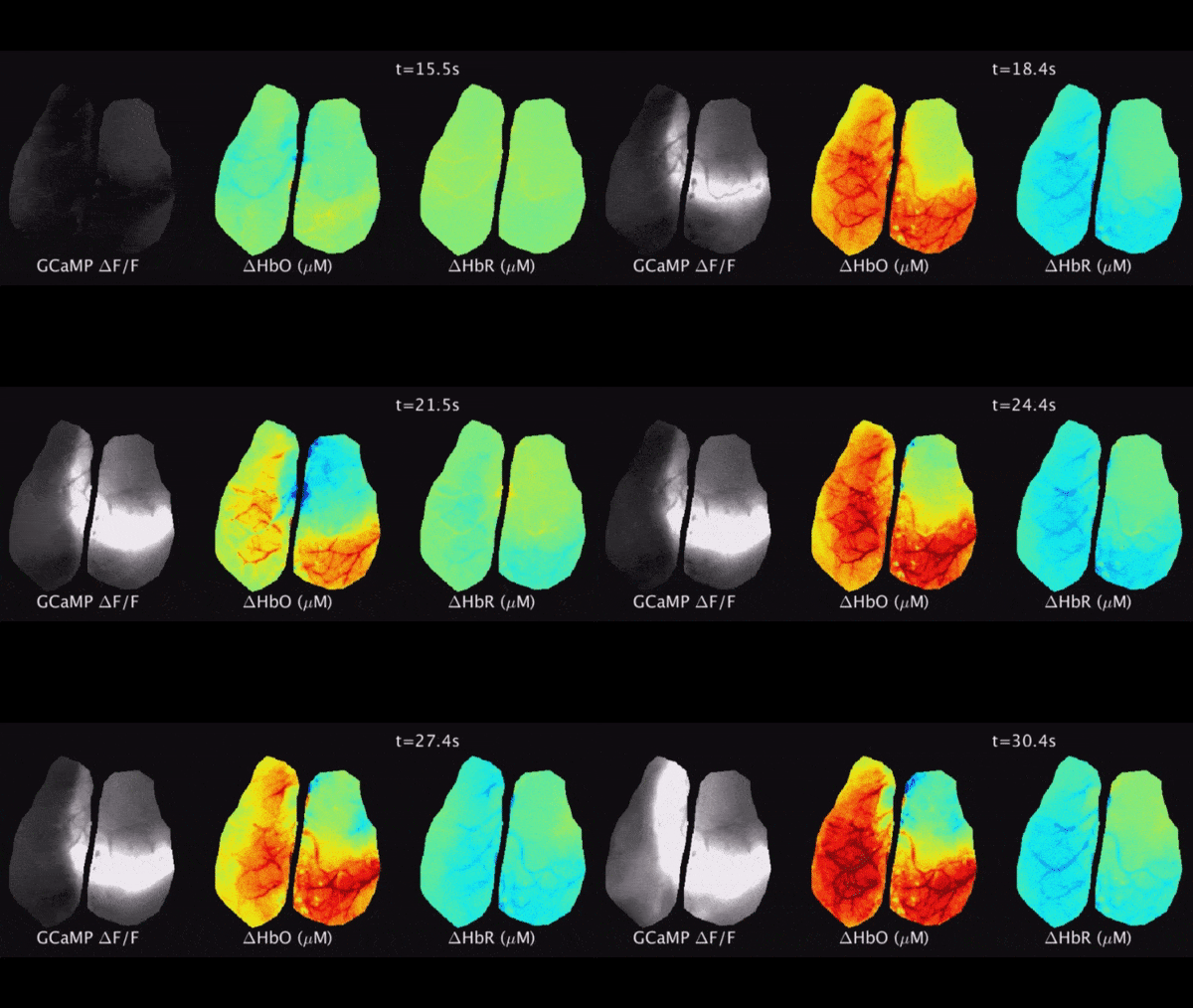
Columbia study underscores complexities of deadly neurodegenerative disease; offers promising strategies to target disease’s underlying genetic mechanisms.