Columbia-led Team Receives $16.75M from the BRAIN Initiative
Award unites different fields of brain research to foster an innovative, interdisciplinary approach to deciphering the brain.
Columbia research in mice finds unexpected resilience in the brain; findings could inform future treatment approaches for patients recuperating from stroke or other brain trauma.
Columbia research identifies neural-circuit activity in electric fish that could explain how humans subtract out signals generated by our own bodies; could inform studies of sensory disorders such as tinnitus.
Columbia study shows that altering activity in brain’s emotion center can eliminate the natural craving for sweet; findings could inform treatments for eating disorders.
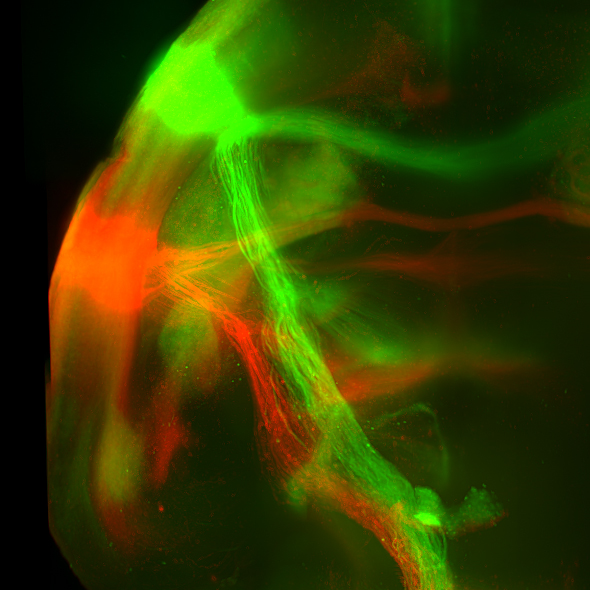
Academy recognizes decades of work to map complex pathways that connect the eye to the brain; research that could inform treatments of developmental and vision disorders.
Columbia researchers develop mathematical model that proposes new and critical role for neurons in the brain’s smell center.
Findings offer clues into comparable survival strategies in people.
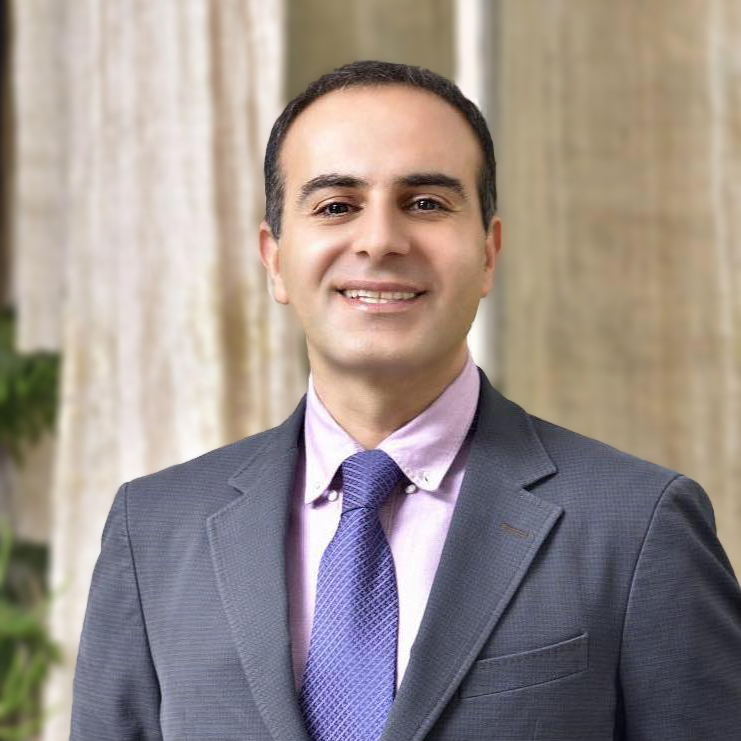
Nima Mesgarani, PhD, deciphers how the human brain distinguishes and interprets the sounds we hear. Now, he’s being recognized as one of 2018’s top innovators for his achievements.
By examining birds' courtship rituals, and deciphering how they learn to sing to each other, Sarah Woolley, PhD, is shedding new light on how two brains can connect to become a pair.
For neuroscientists, the secret to a perfect Thanksgiving turkey isn't just the seasoning and stuffing. Instead, taste is in the brain. Please join neuroscientist Charles S. Zuker, PhD, for a flavor of the cutting edge of taste science today.