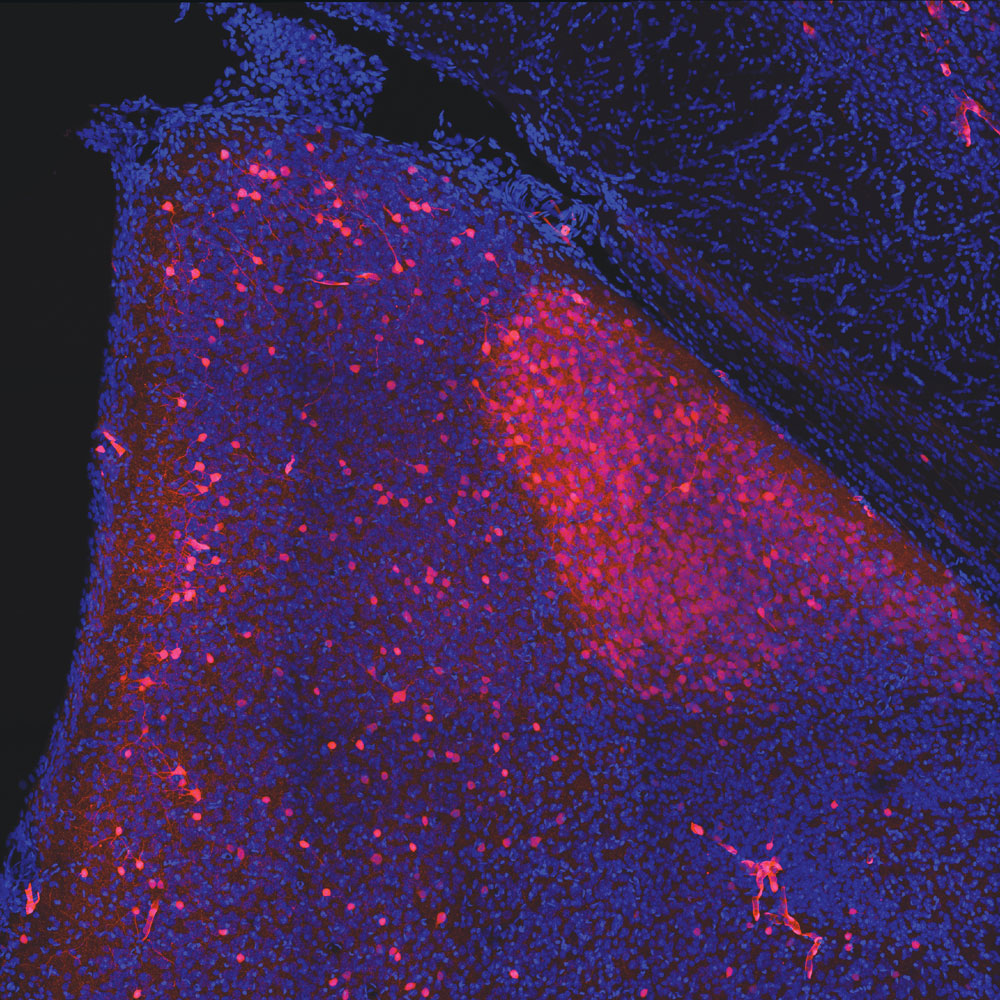
Sex Pheromone Named for Jane Austen Character Alters Brain in Mouse Courtship
Columbia-led study in mice maps brain circuitry that enables a single pheromone to drive both innate and learned sexual behaviors
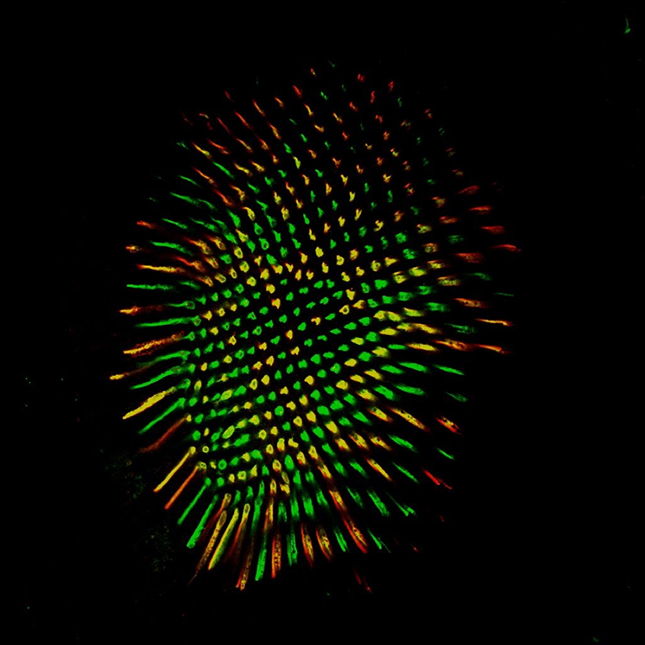
Findings lay groundwork for mapping mechanisms of color vision; could inspire future technologies for those with vision impairments.
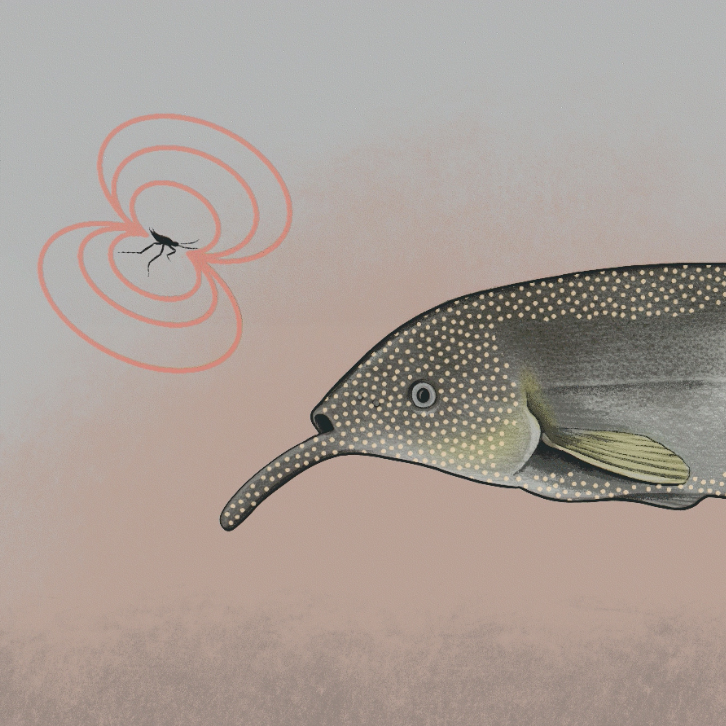
A Q&A with Nathaniel Sawtell, Larry Abbott and Salomon Muller.
Sarah Sze, a 2003 Macarthur Fellow and a professor in the visual arts program at the School of the Arts, spent 2019 as the Alan Kanzer Artist-in-Residence at the Zuckerman Institute.
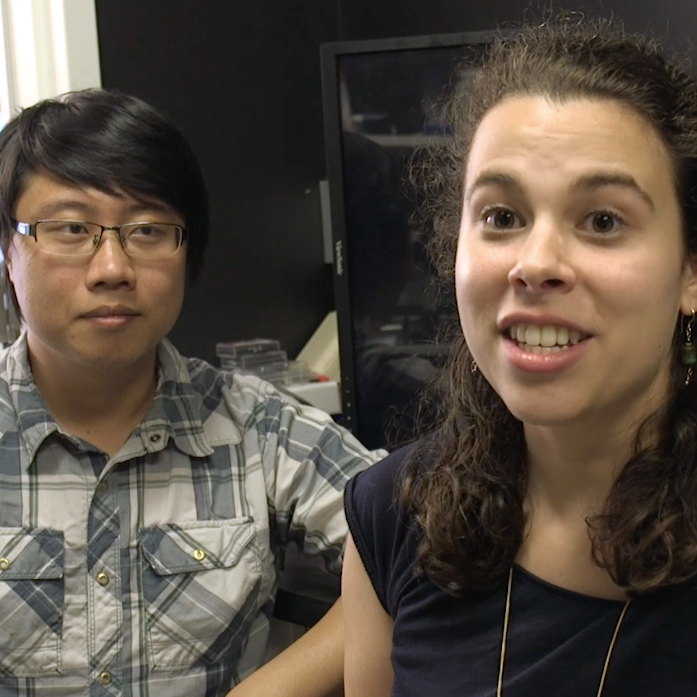
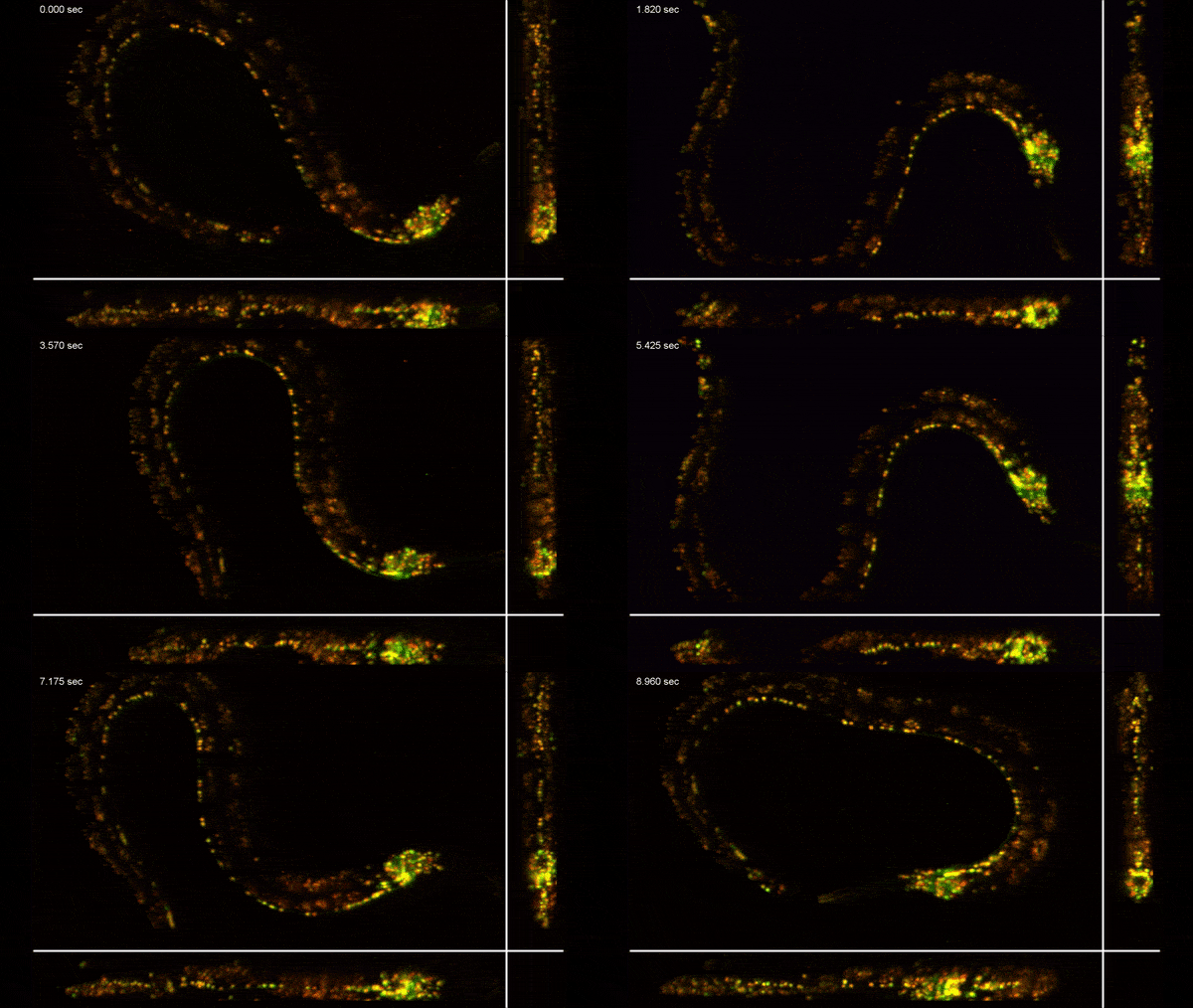
If you could see the brain at work in a living creature, imagine what you could discover about the biology’s most fundamental processes. For postdoctoral research scientist Wenze Li, PhD, and graduate student Rebecca Vaadia, this is not a dream, but reality.
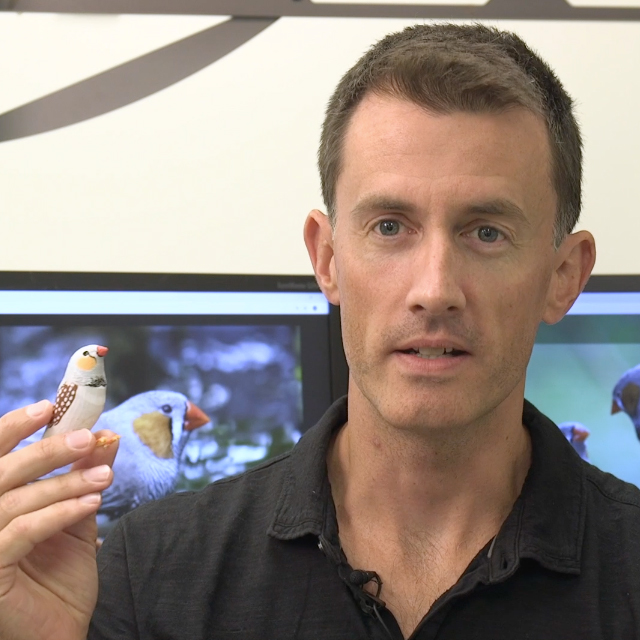
Postdoctoral research scientist Jordan Moore, PhD, discovered a part of the brain critical for learning songs: a step toward understanding how human beings learn language when young.
Award-winning pianist completes a year-long residency at Columbia's Zuckerman Institute with a debut of original compositions inspired by brain science.
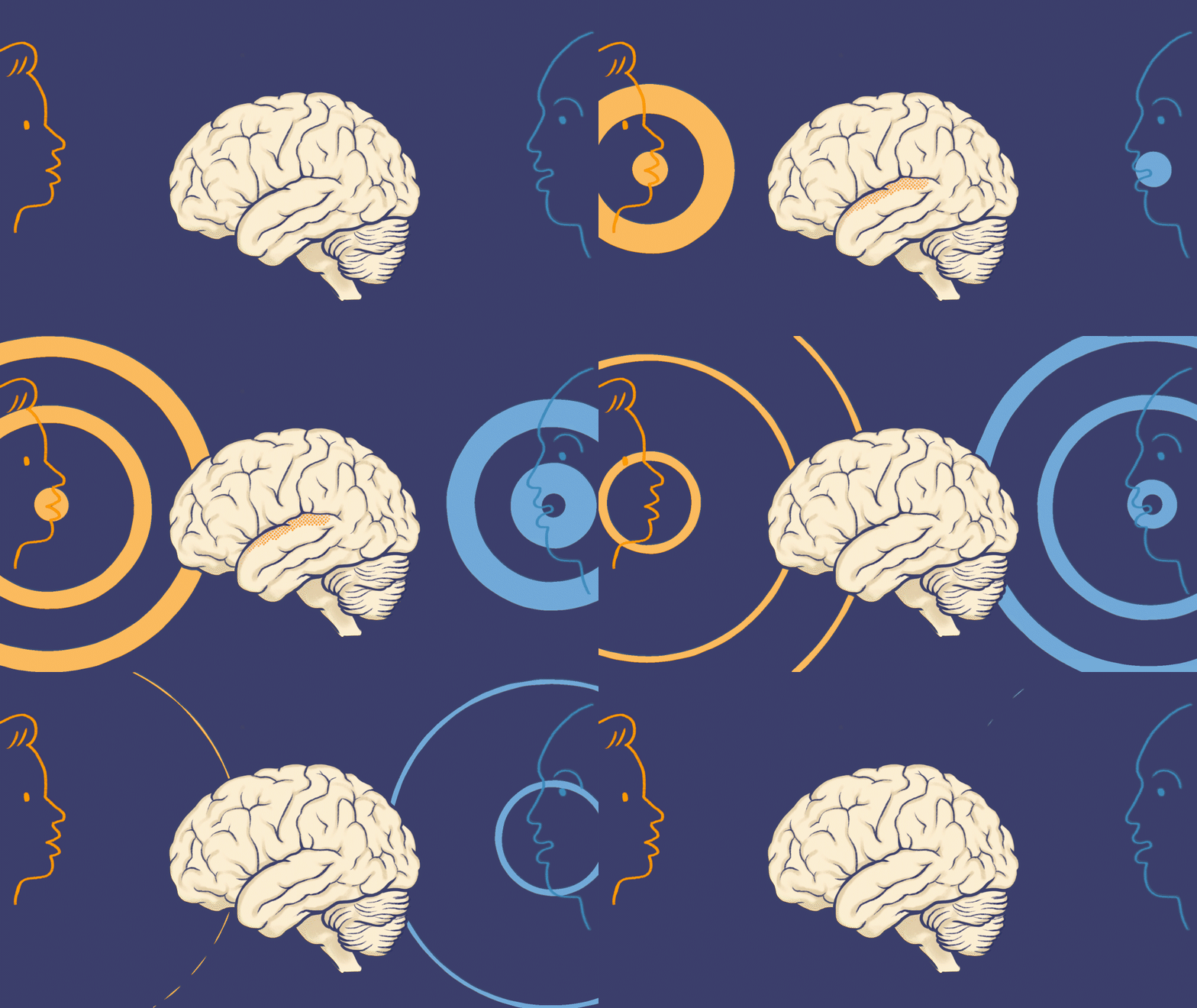
Columbia-led study offers new insight into organization of brain’s listening center; provides roadmap for development of hearing-aid technologies inspired by the brain
New SCAPE 2.0 system can serve as a critical tool to advance science and medicine.
At the 2019 World Science Festival, experts discussed the role that our five senses — smell, taste, sight, hearing and touch — play in helping us to navigate our surroundings.