Decision Making
June 15, 2020
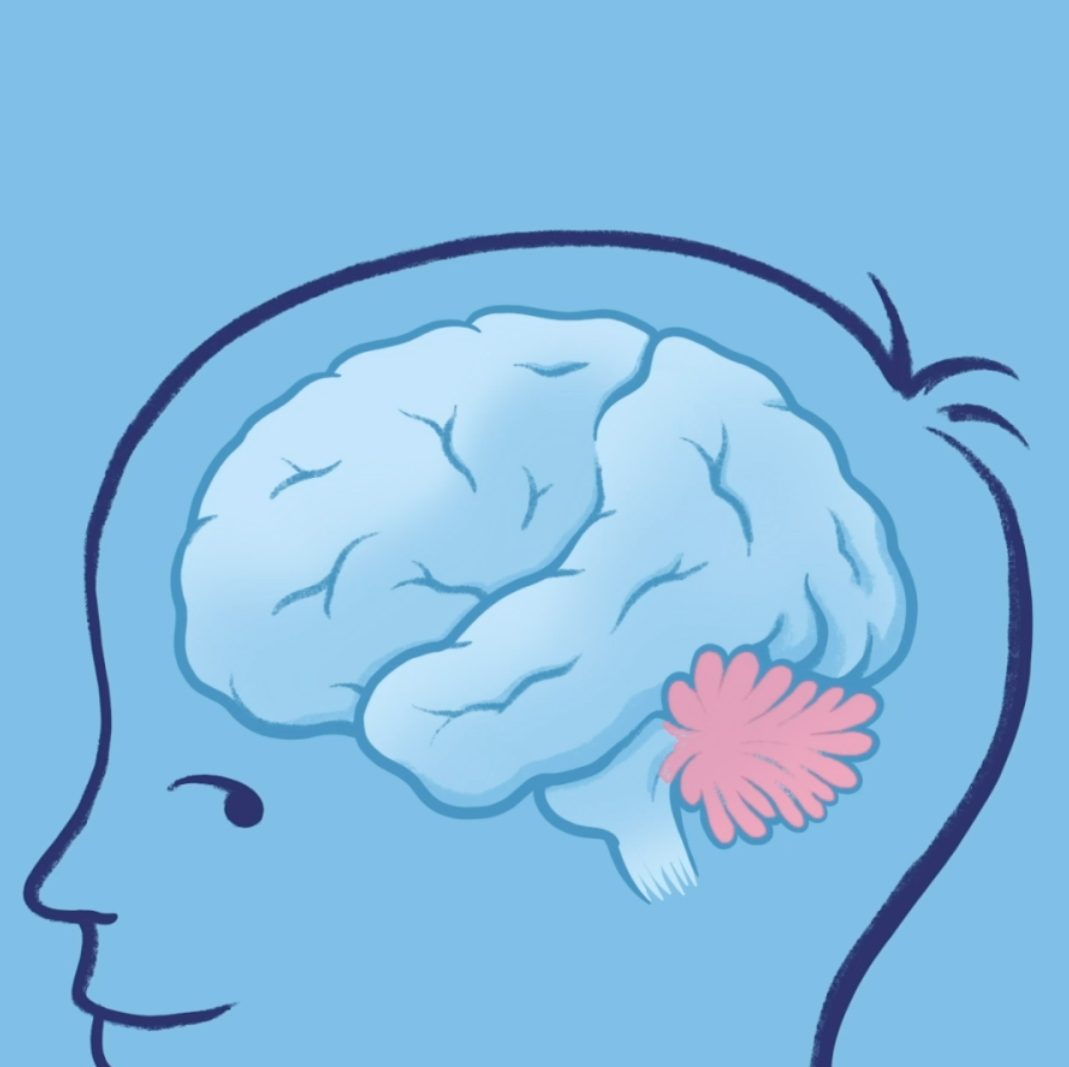
What is the Cerebellum?
Recent research is revealing new, complex roles for this ancient and universal brain structure.
Recent research is revealing new, complex roles for this ancient and universal brain structure.
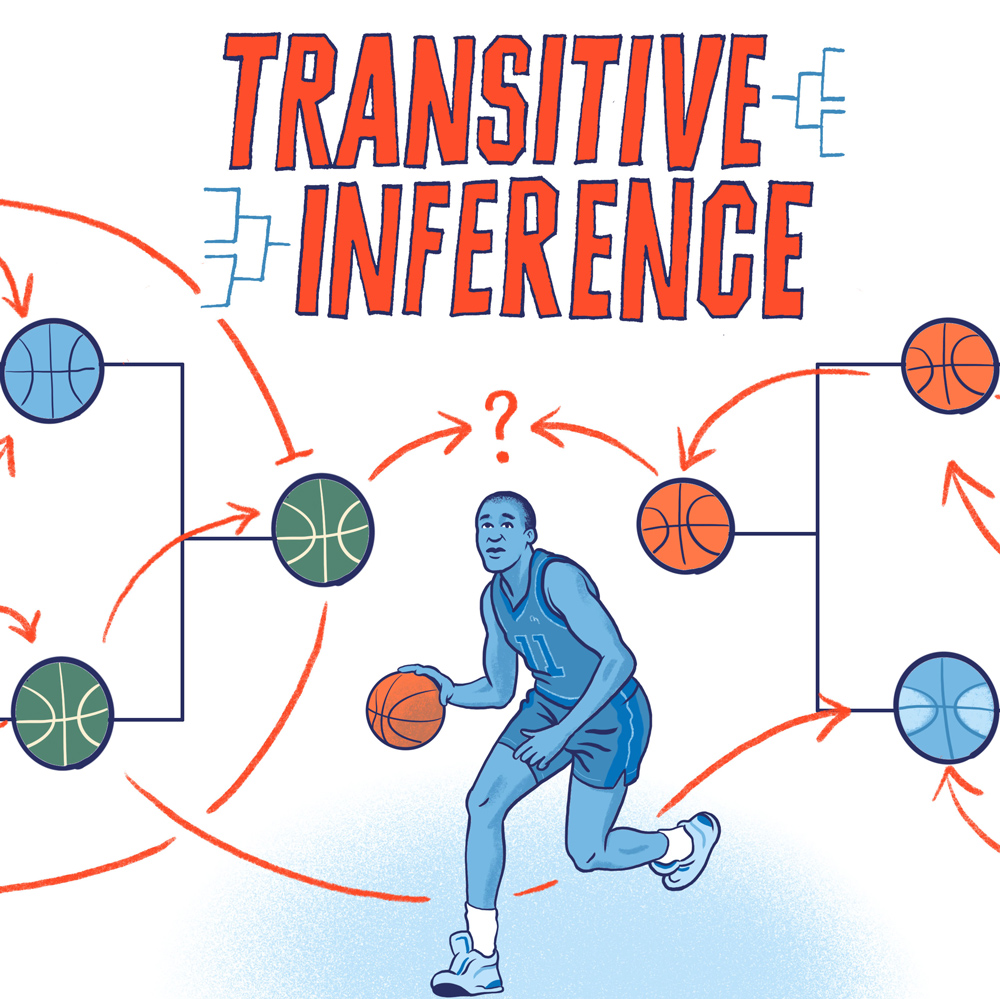
Columbia research combines mathematics and neuroscience; highlights surprising power of one brain area to simultaneously integrate vast amounts of information.

A Q&A with Herbert Terrace, Vincent Ferrera and Greg Jensen.
Year-long program embeds award-winning painter, jazz musician and author with scientists studying the mind, the brain and behavior.

Sarah Sze, a 2003 Macarthur Fellow and a professor in the visual arts program at the School of the Arts, spent 2019 as the Alan Kanzer Artist-in-Residence at the Zuckerman Institute.

Award-winning pianist completes a year-long residency at Columbia's Zuckerman Institute with a debut of original compositions inspired by brain science.

Academy recognizes Dr. Costa’s outstanding contributions to the brain science of movement and learning that has yielded insights into Parkinson’s disease, autism and obsessive-compulsive disorder.
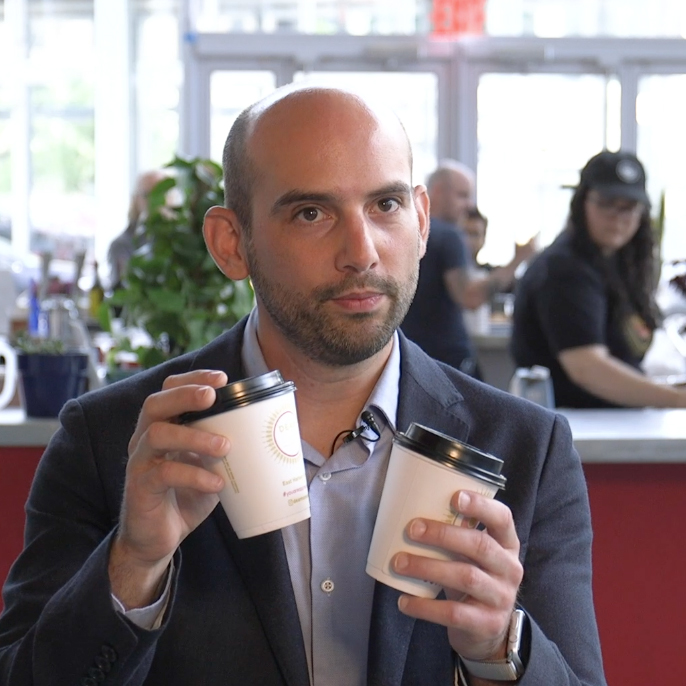
Hot coffee or cold brew? Pizza or pasta for dinner? These are the decisions that guide our every day lives. What computations do our brains make when weighing these choices?
An international team of researchers demonstrates that our brain need only perform a few lightning-fast statistical calculations to detect key properties of unknown objects.

Columbia’s Zuckerman Institute hosts gathering of leading neuroscientists from across the country