The Gene That Keeps PTSD-like Behavior at Bay in Female Mice
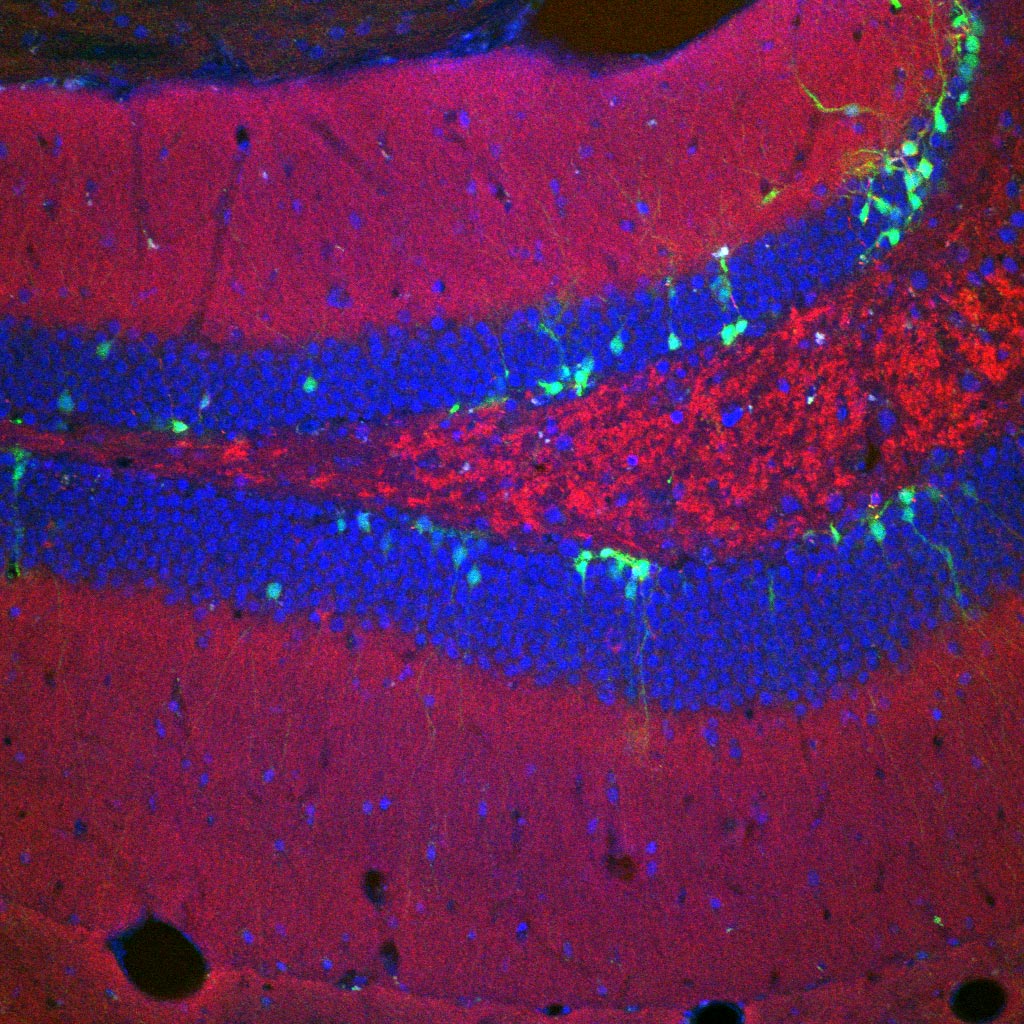
Columbia study highlights key role this gene plays in essential biological processes; offers promising new target for combating PTSD, a disorder that impacts women more than men.
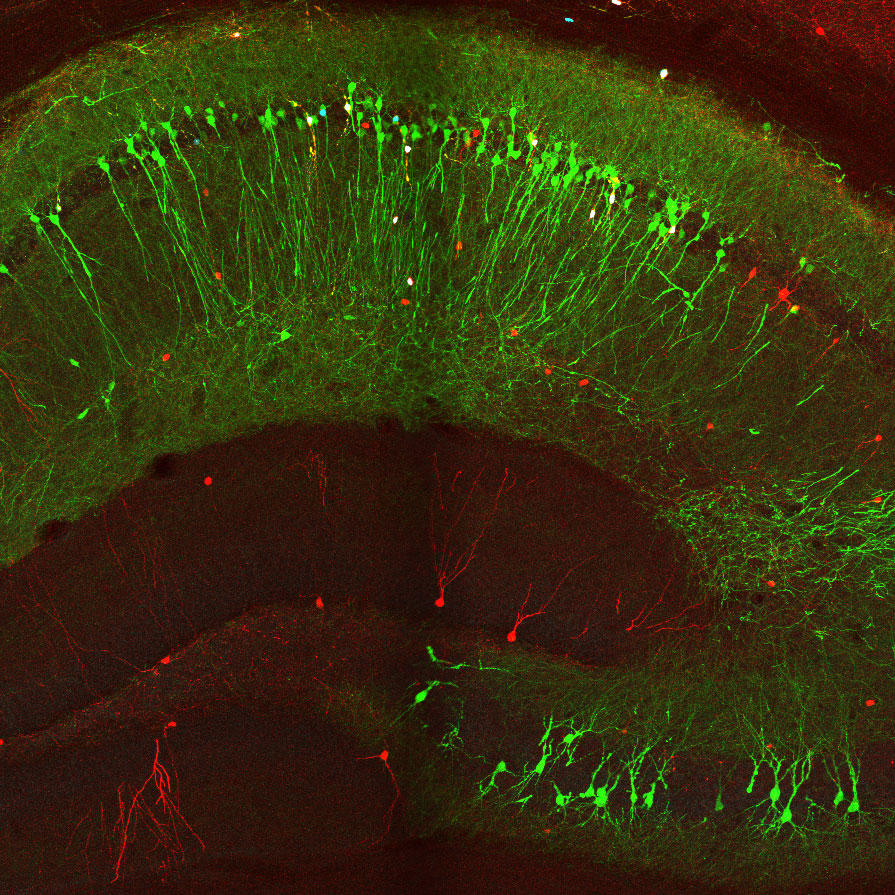
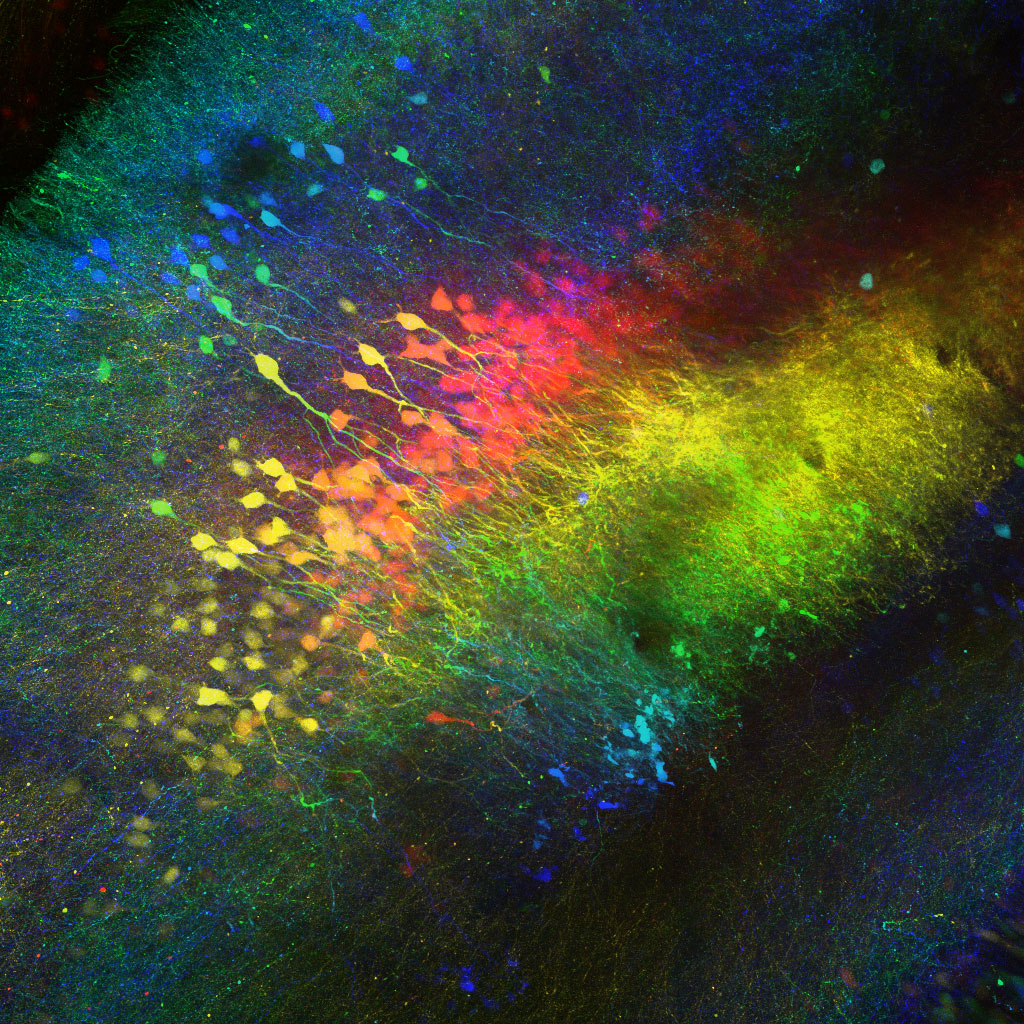
Columbia-led discovery in mice aids efforts to map the circuitry of the brain’s learning center; stands to inform studies of psychiatric disorders in which this circuitry goes awry.
Columbia study in mice reveals importance of memory in driving key social behavior; offers insight into psychiatric disorders such as schizophrenia.
Meet the scientists leveraging technological advances to reveal aspects of the disease long hidden from view.
Columbia scientists reveal new details of how a naturally occurring hormone can boost memory in aging mice, laying the groundwork for staving off this form of memory loss in people.
By determining the molecular signatures of Alzheimer’s, CTE and other conditions, Anthony Fitzpatrick and his research team to pave way for treatments that target hallmarks of neurodegenerative disease.
Academy recognizes decades of work to map complex pathways that connect the eye to the brain; research that could inform treatments of developmental and vision disorders.
New study in mice shows how the brain learns to reproduce patterns of brain activity that lead to reward; provides insights for treating addiction and obsessive-compulsive disorder.
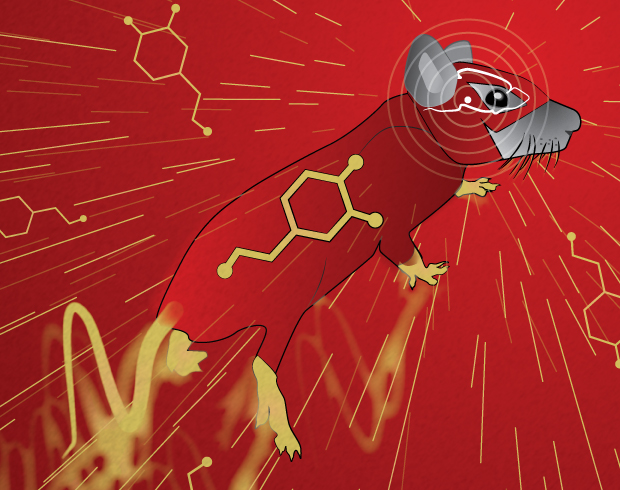
A new study in mice suggests that a burst of dopamine levels at the beginning of a movement only, as opposed to all the time, is what gets us going. This may have important implications for treating Parkinson’s disease.
Series of awards unites experts from different fields and universities; bolsters innovative, team approach to deciphering the complexities of the brain.