The Senses
December 9, 2021
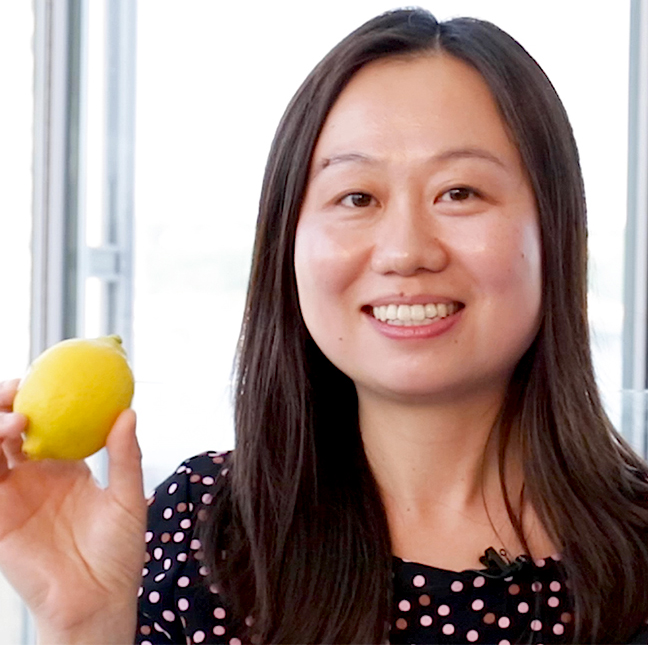
Meet Jennifer Scribner
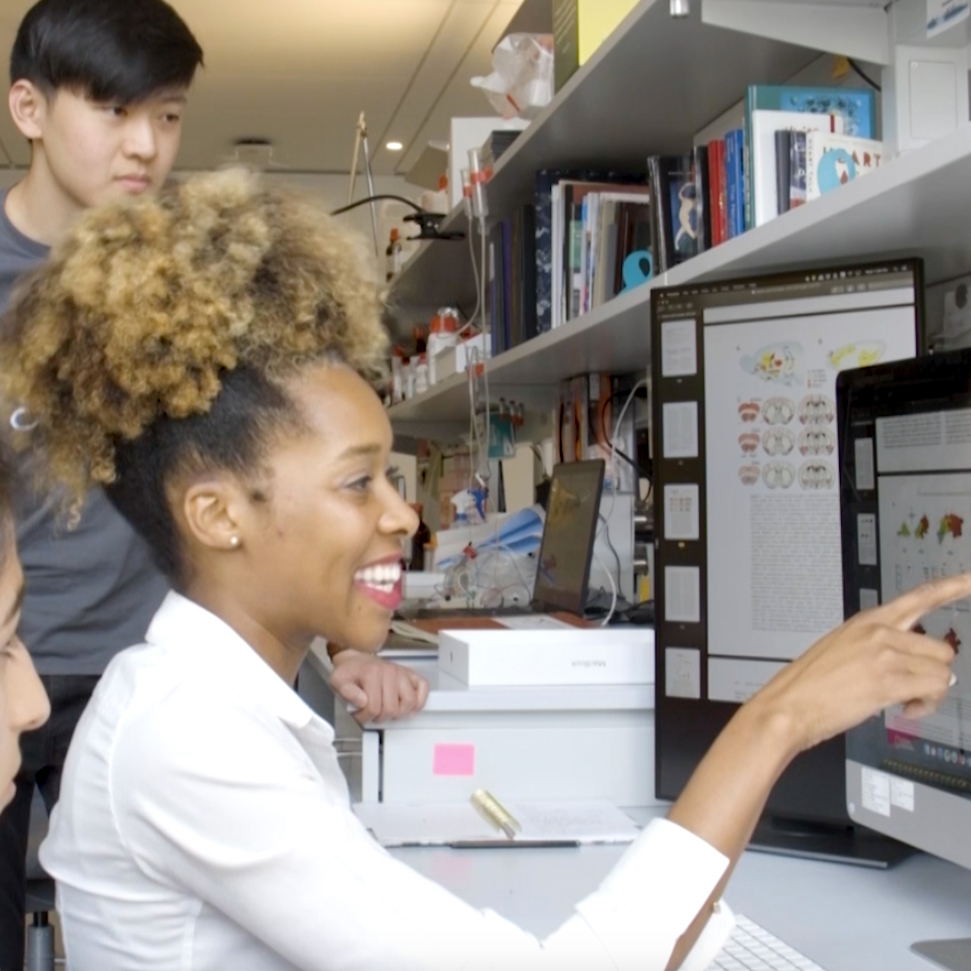
What happened when one woman went back to school for science in her forties? Meet Jennifer Scribner, a graduate student in the Axel Lab.
What happened when one woman went back to school for science in her forties? Meet Jennifer Scribner, a graduate student in the Axel Lab.
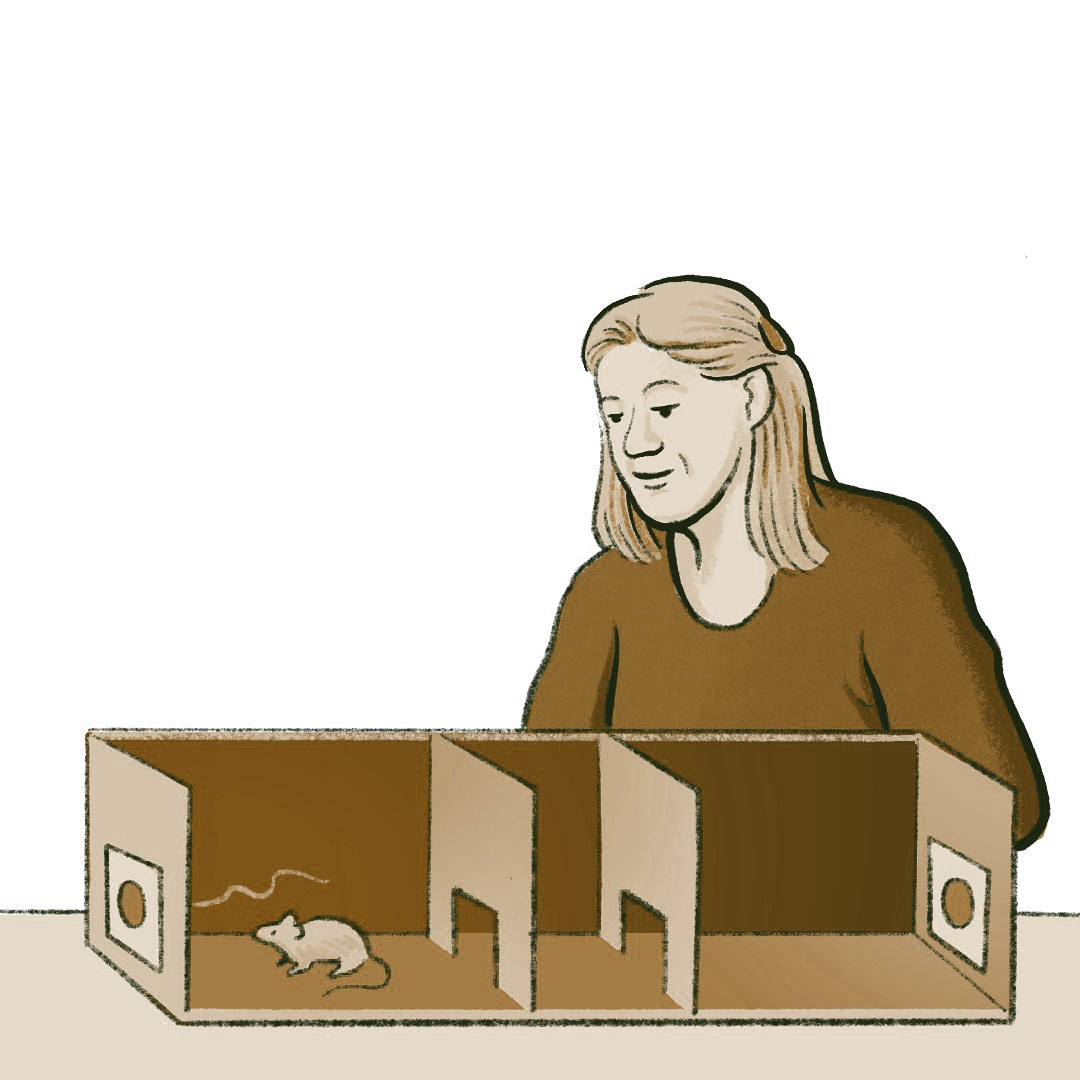
A Q&A with neuroscientists Rudy Behnia, Jessica Kohn and Jacob Portes
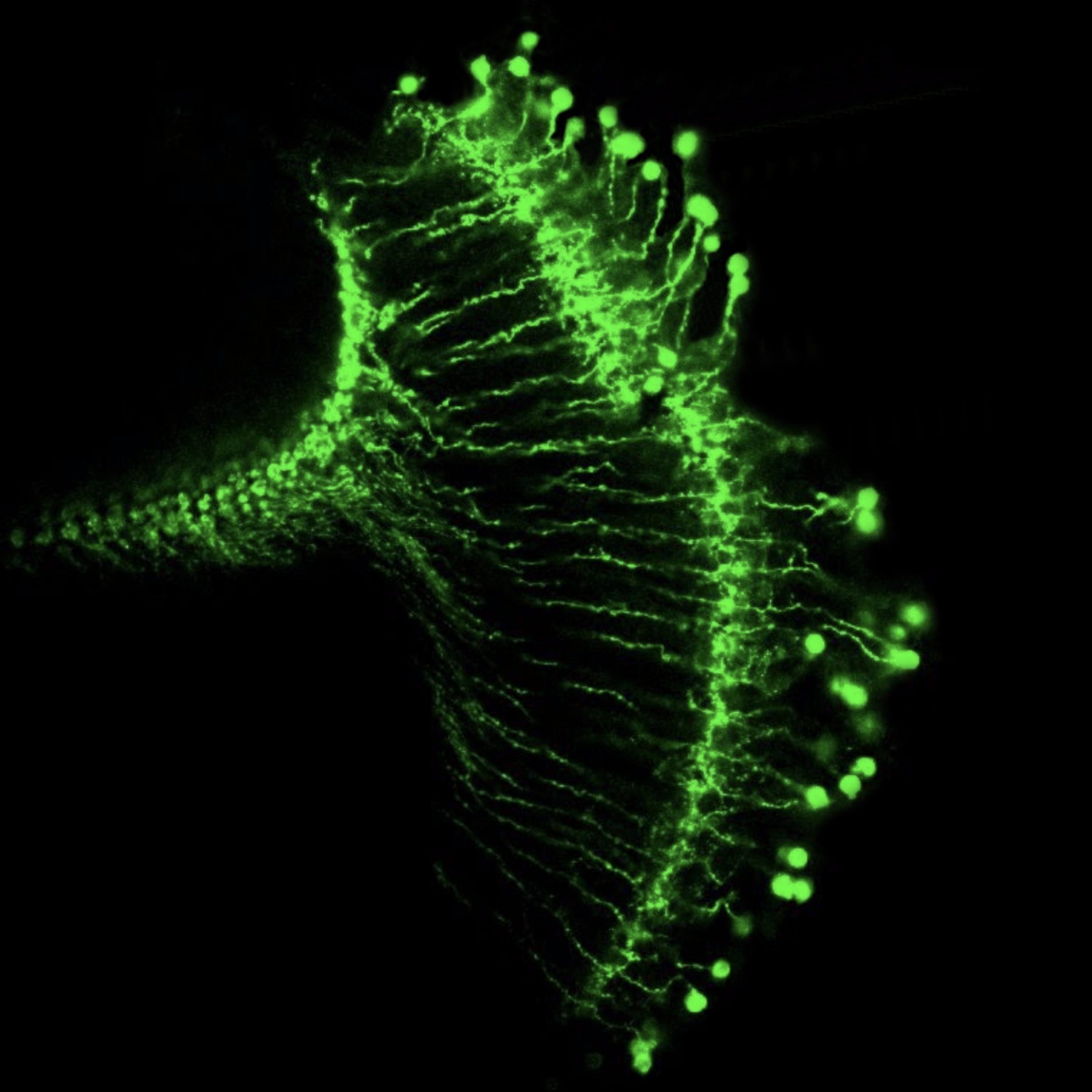
Mice navigating virtual environments reveal brain activity that adjusts mental maps.
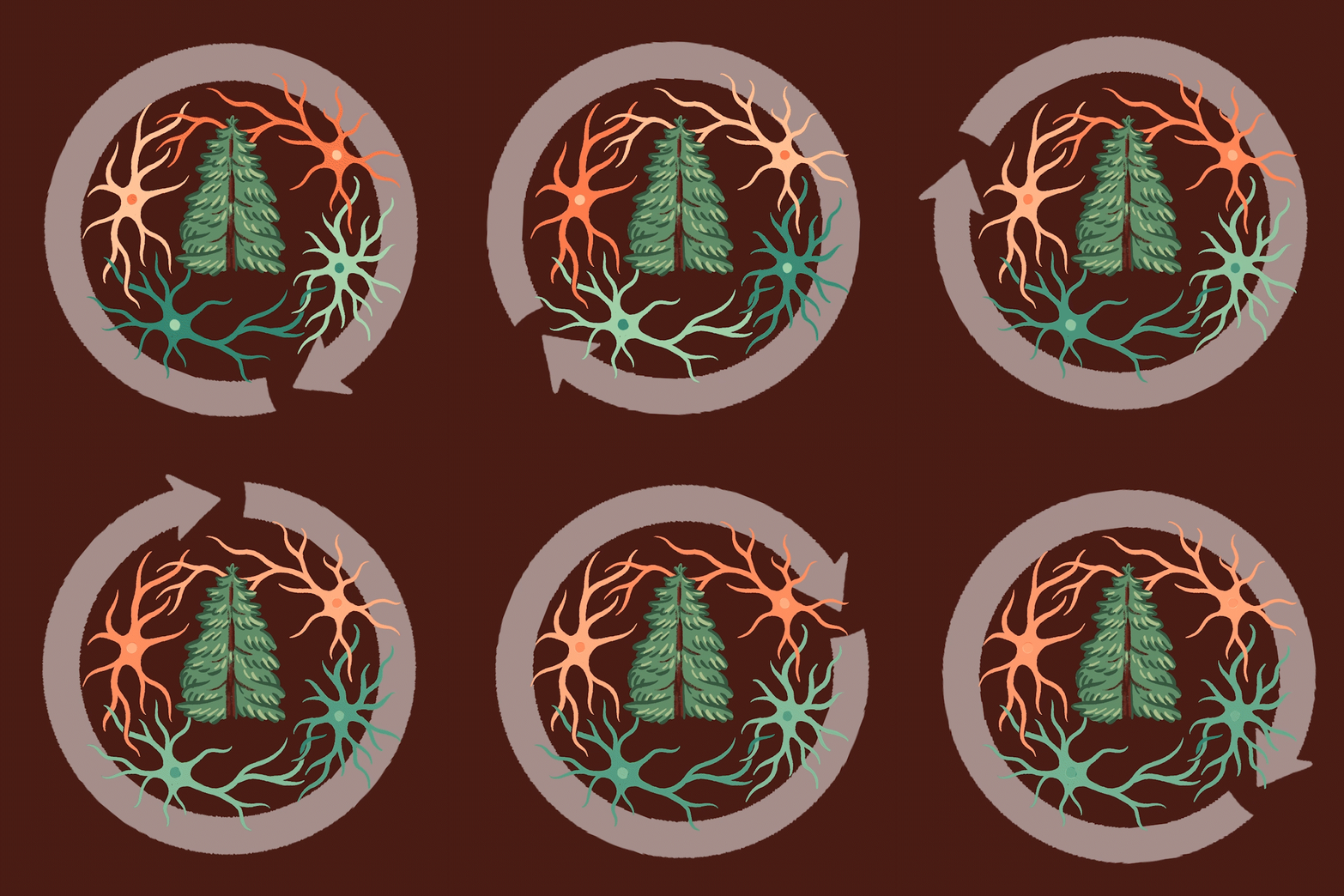
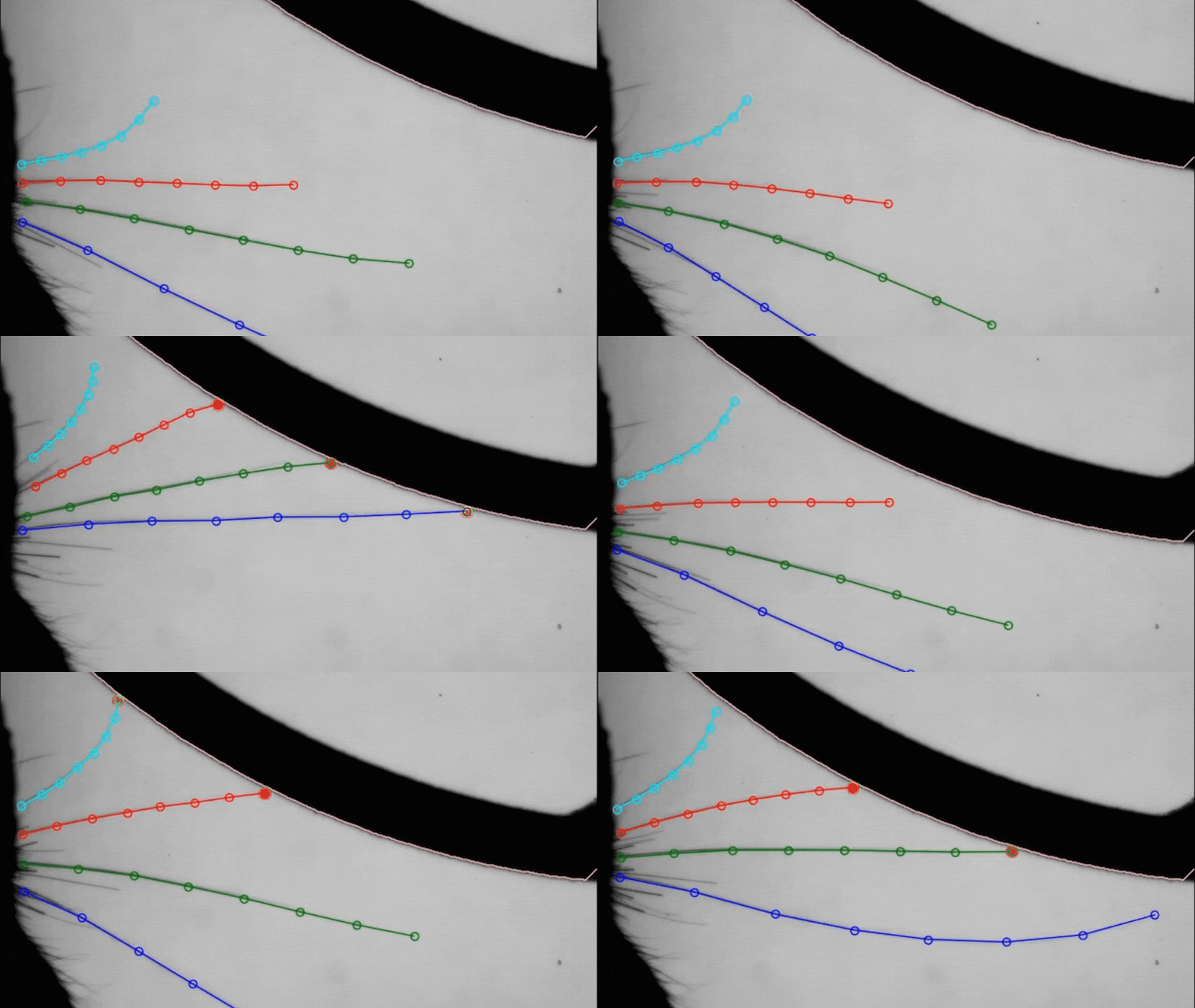
New mouse research on the sense of touch reveals surprising mental flexibility, with potential implications for designing touch-sensitive prosthetic limbs and understanding disorders such as autism.
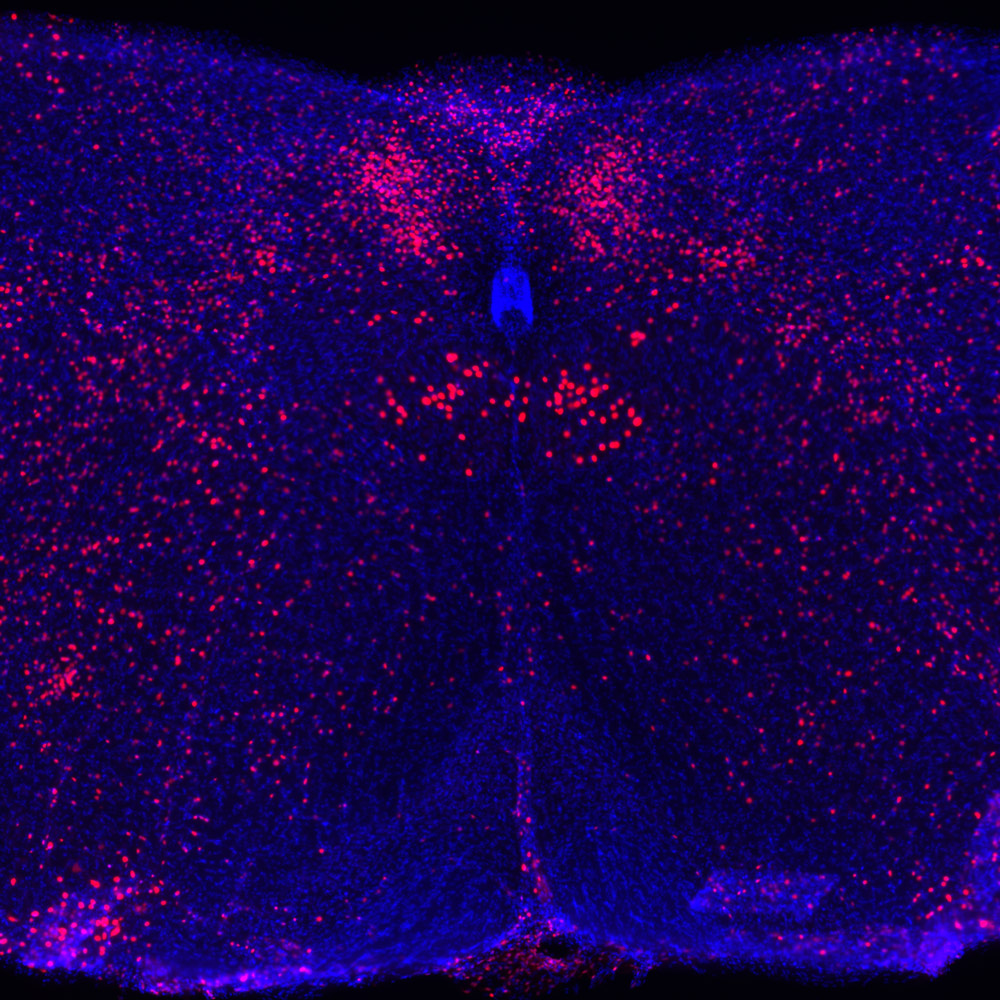
Pioneering study points to promising avenues for minimizing sugar cravings and potentially reducing incidence of obesity and diabetes.
Columbia study in mice shows how special cells in nose help the brain to distinguish between world’s near-infinite combinations of scents.
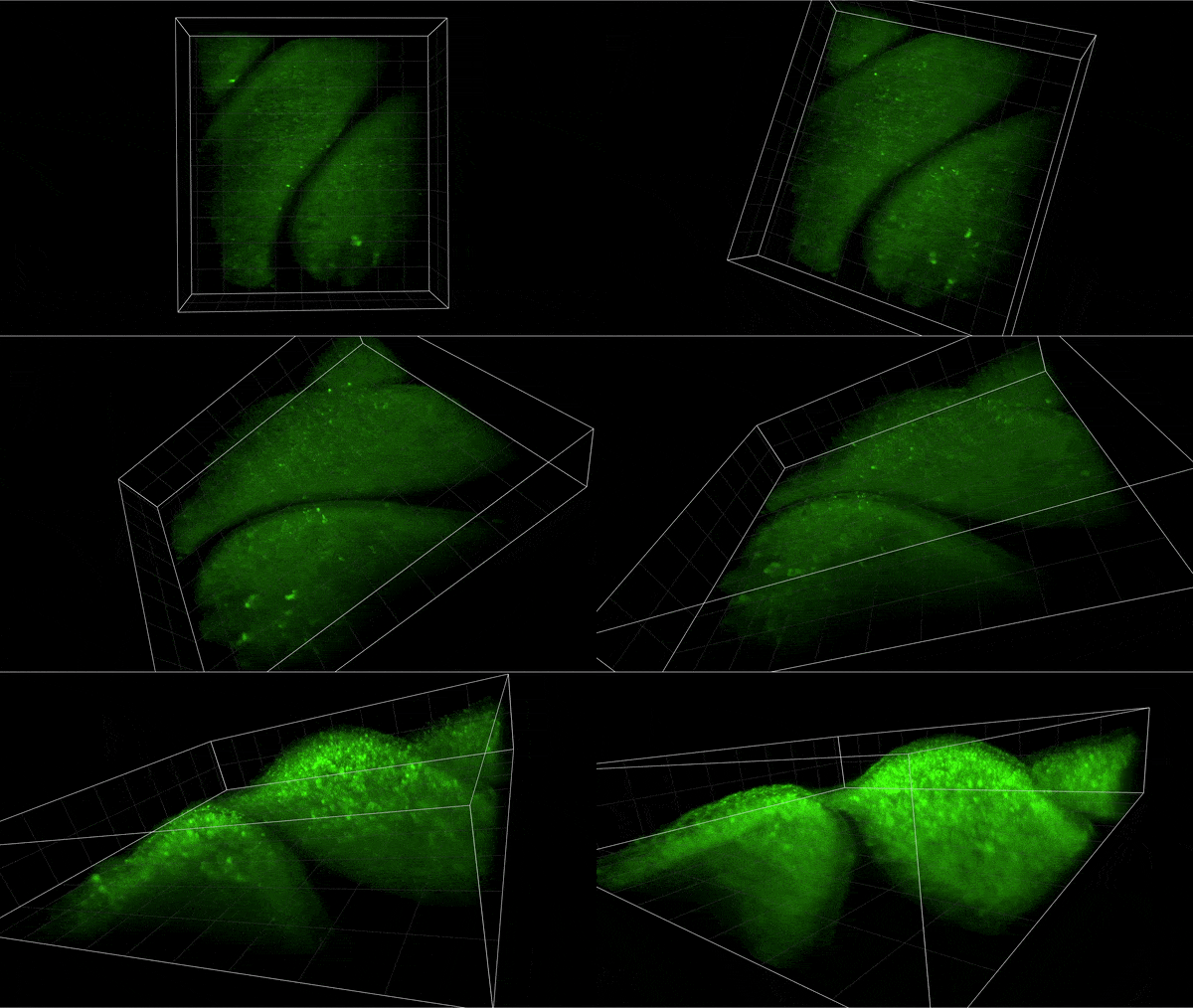
New research from two young scientists shows how the brains of flies, like the brains of humans, create the mental illusion of color.
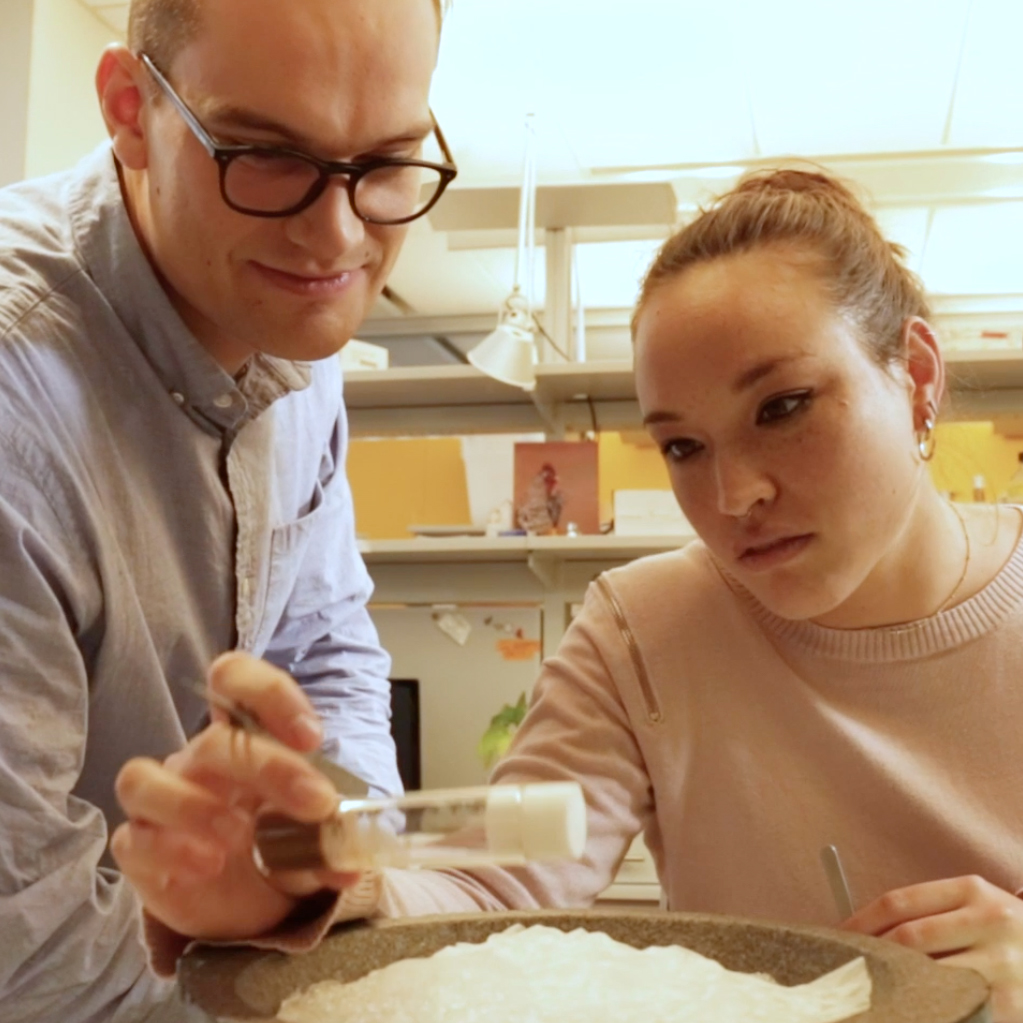
Columbia research combines mathematics and neuroscience; highlights surprising power of one brain area to simultaneously integrate vast amounts of information.

Do the experiences of your father leave a mark on your genes? Can trauma be passed down from generation to generation?
How do the tongue and the brain work together to tell us that certain things are sour?