The Mental Mathematics of Identifying and Manipulating Objects
An international team of researchers demonstrates that our brain need only perform a few lightning-fast statistical calculations to detect key properties of unknown objects.
Columbia engineers develop new AI technology that amplifies correct speaker from a group; breakthrough could lead to better hearing aids.
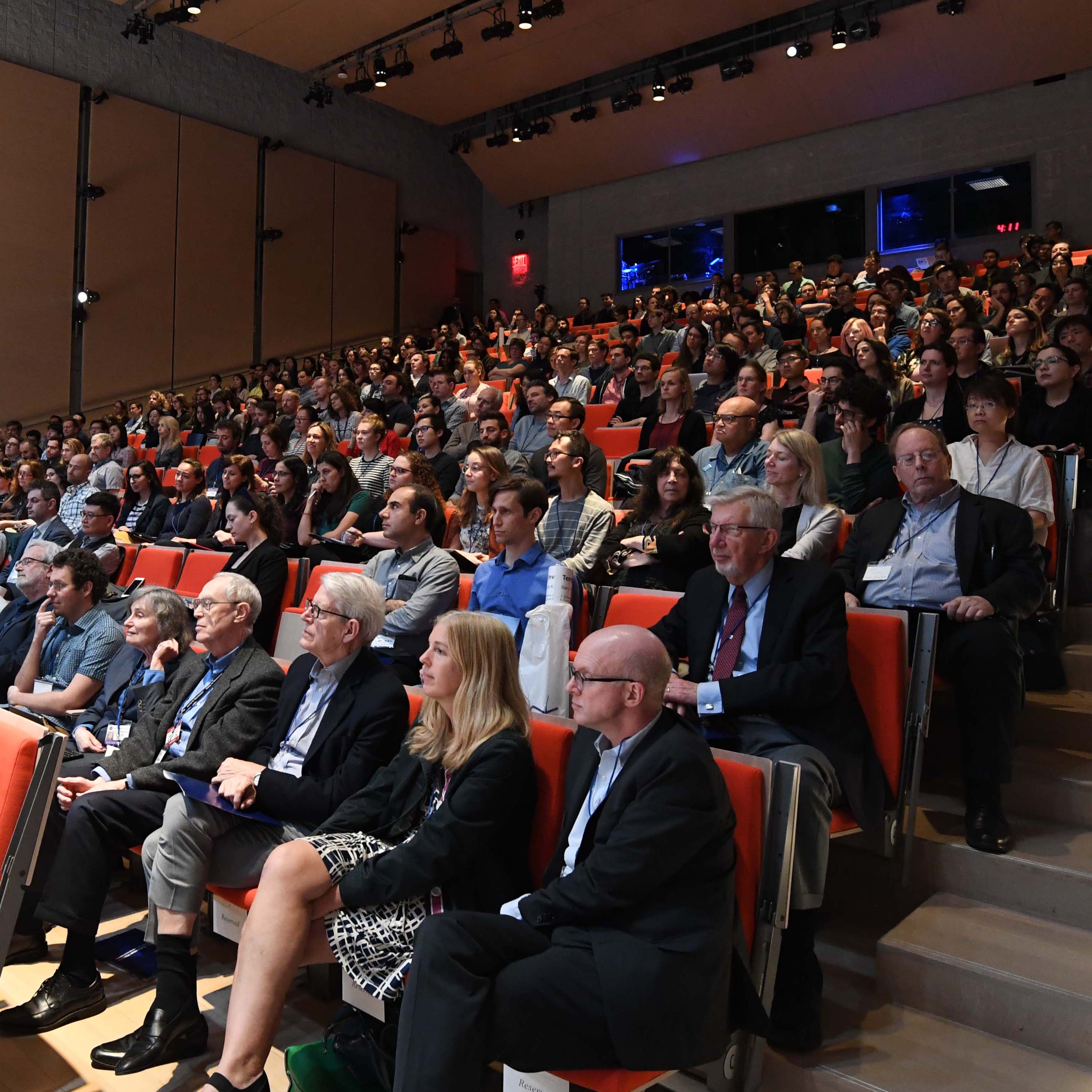
Columbia’s Zuckerman Institute hosts gathering of leading neuroscientists from across the country
Advanced imaging technologies observe one brain area’s ability to rapidly sense our surroundings; lays groundwork for improvements to machine learning and robotics.
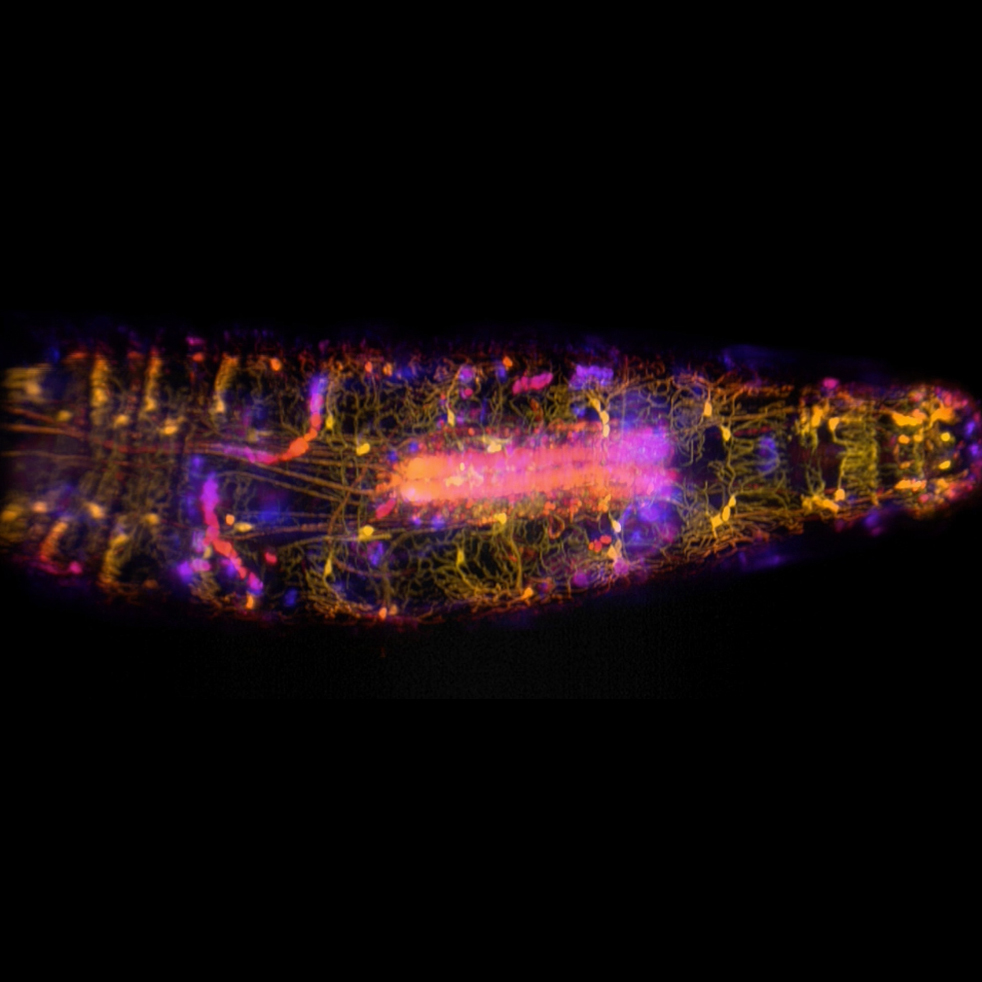
Columbia team harnesses powerful high-speed, 3D SCAPE microscope to uncover never-before-seen details of the fruit fly nervous system, demonstrating SCAPE’s broad potential to decipher the brain.
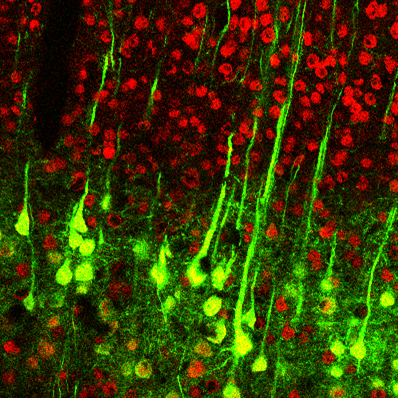
Columbia research demonstrates that the brain’s primitive sensory region also participates in sophisticated learning.
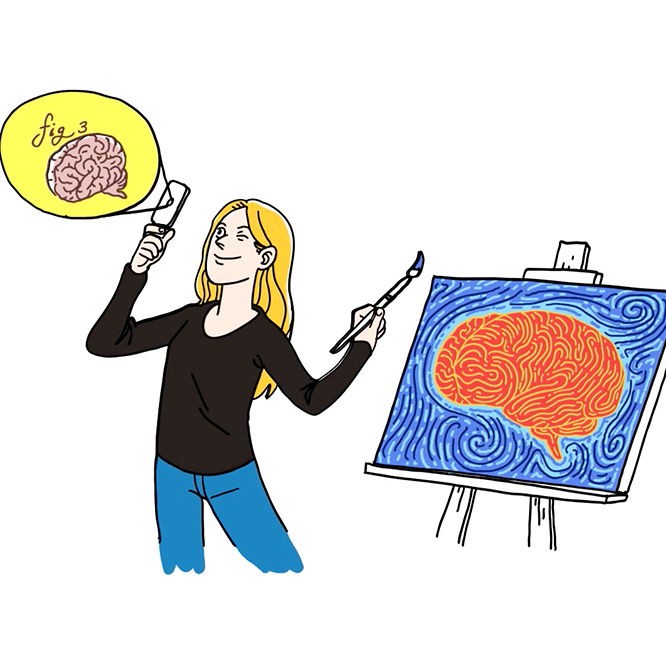
On this International Day of Women and Girls in Science, we hope that girls around the world will be inspired by the work of Elizabeth Hillman, PhD, and carve their own paths into science and engineering.
Advance marks critical step toward brain-computer interfaces that hold immense promise for those with limited or no ability to speak.
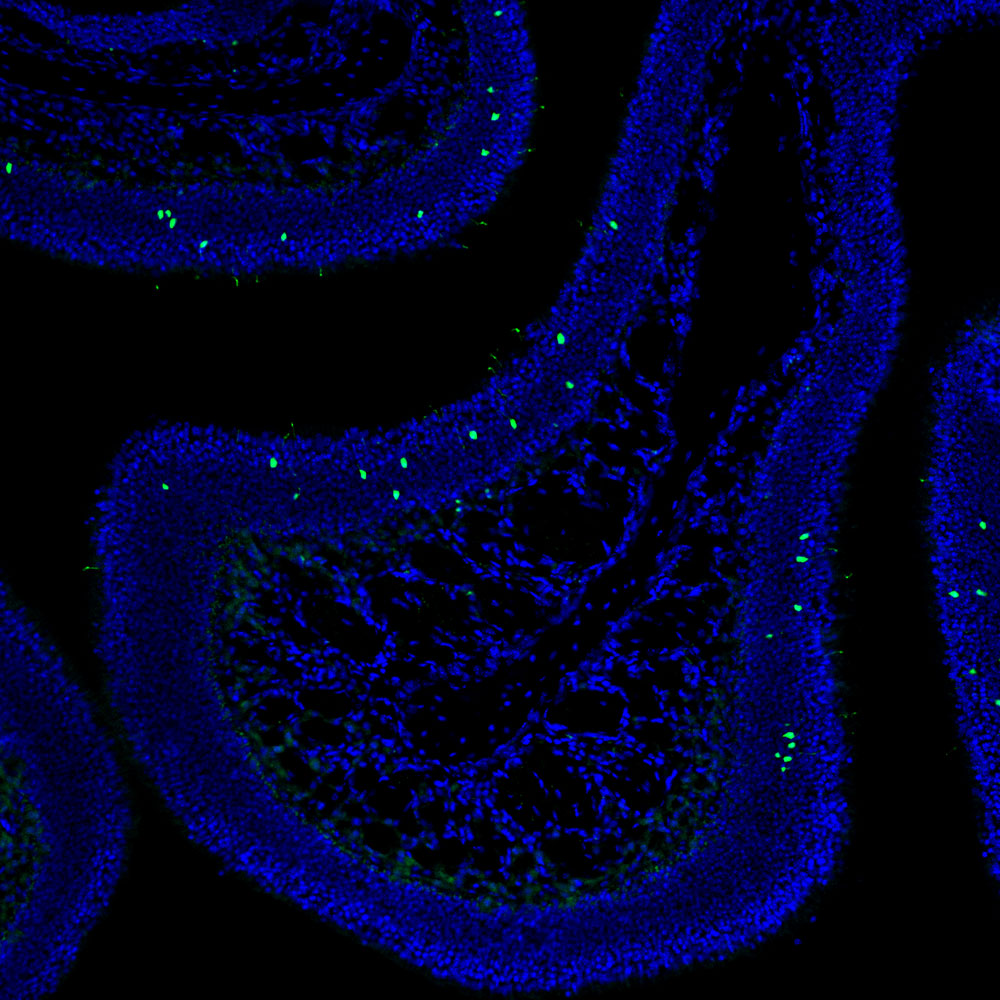
Armed with advanced genomic tools, Columbia scientists have uncovered an ingenious mechanism that underlies the brain’s ability to distinguish different smells.
Nima Mesgarani, PhD, is studying how your brain picks out individual voices from a crowd — and using this knowledge to build a better hearing aid that reads your mind.