Our Team
Columbia’s Zuckerman Institute has assembled a highly skilled team of individuals who provide essential administrative and scientific support to all members of the Institute.

Senior Leadership
-
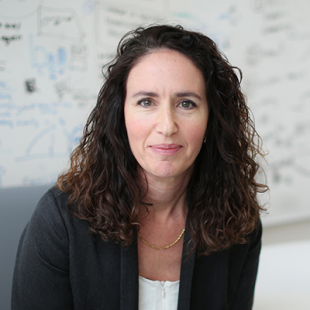
Daphna Shohamy, PhD
Kavli Professor of Brain Science; Director and CEO of Columbia's Zuckerman Institute; Codirector, Columbia's Kavli Institute for Brain Science
Daphna Shohamy is Director and CEO of the Mortimer B. Zuckerman Mind Brain Behavior Institute. In this role, she oversees the scientific, financial and administrative management of the Institute. She is also working to establish and direct a new cognitive neuroscience center. In 2021, Columbia University named Dr. Shohamy to lead its Kavli Institute for Brain Science and appointed her Kavli Professor of Brain Science. She is a principal investigator at the Institute, a valued teacher and mentor in the Department of Psychology and a member of the training faculty for the Columbia Doctoral Program in Neurobiology and Behavior. She is also an important contributor to undergraduate education at Columbia, teaching the science of the brain and mind to the entire incoming class of college students as part of Columbia’s Core Frontiers of Science course.
-
Deputy Directors
-
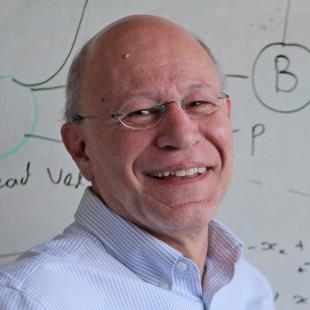
Larry F. Abbott, PhD
William Bloor Professor of Theoretical Neuroscience and Professor of Physiology and Cellular Biophysics; Principal Investigator at Columbia's Zuckerman Institute; Codirector of Columbia's Kavli Institute for Brain Science
-
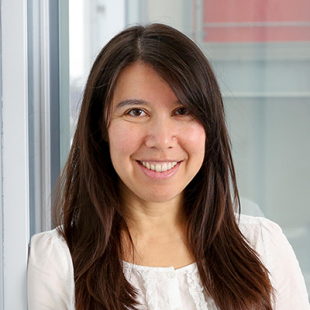
Gwyneth Card, PhD
Gerald D. Fischbach, M.D. Professor of Neuroscience (in the Mortimer B. Zuckerman Mind Brain Behavior Institute); Chair, Department of Neuroscience
-
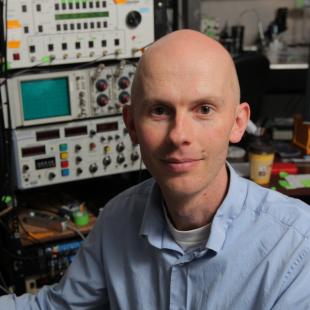
Nathaniel Sawtell, PhD
Professor of Neuroscience; Principal Investigator at Columbia's Zuckerman Institute
-
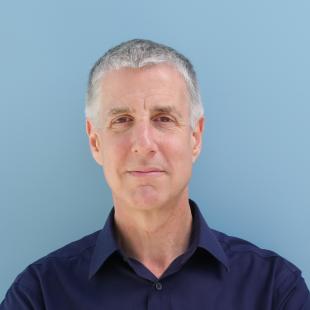
Daniel M. Wolpert, PhD
Professor of Neuroscience; Principal Investigator at Columbia's Zuckerman Institute
-
Administrative Leadership
-
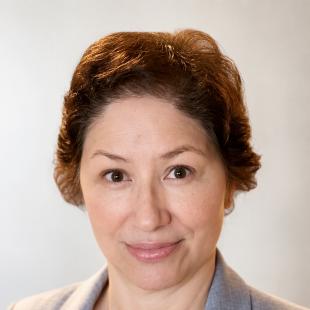
Denise Gottwald
Senior Director for Human Resources and Academic Affairs
212-853-6668[email protected] -
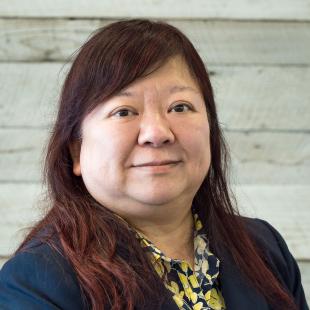
Barbara Han
Executive Director of Building Operations
Barbara Han is responsible for delivering a comprehensive facility service model to all faculty and staff at the Zuckerman Institute. She and her team serve as direct liaisons between researchers and departments across Columbia University to support a smooth and proficiently operated scientific research facility.
Prior to joining the Institute, Han spent 29 years as the laboratory manager at Columbia University Irving Medical Center. She has also spent nearly 20 years supervising the construction and renovation of lab spaces within Columbia University Medical Center. She received her bachelor’s in medical laboratory sciences from Hunter College School of Health Sciences and possesses two masters degrees; an MBA from Fordham University’s School of Business and an MPH from Columbia University’s Mailman School of Public Health.
212-851-4391[email protected] -
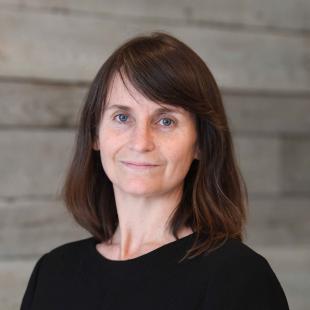
Paige Lyne
Chief Finance & Research Operations Officer
As Chief Finance & Research Operations Officer (CFROO), Paige is a senior leader at the Zuckerman Mind Brain Behavior Institute, providing strategic oversight of all administrative functions within the business enterprise. In this role, she is responsible for maintaining effective administrative operations that support a high-functioning, productive research environment. As CFROO, Paige works in close partnership with the Chief Programs & Strategic Initiatives Officer (CPSIO) and ensures the operational and financial infrastructure needed to launch, scale, and sustain the Institute's programmatic goals.
Before joining the Zuckerman Institute, Paige served in the finance departments at Columbia University Irving Medical Center’s Mailman School for Public Health, Columbia’s Center for the Study of Science & Religion and the Earth Institute. Prior to Columbia, she was a volunteer teacher in South Africa and worked at America’s Promise, a youth & community development nonprofit in Washington, DC. Paige received her bachelor’s in History from Georgetown University and an MBA from the New York University Stern School of Business.
212-854-1050[email protected] -
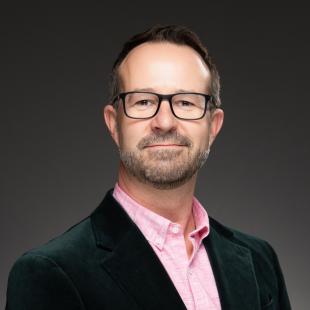
Jason McClellan
Chief Programs and Strategic Initiatives Officer
As Chief Programs & Strategic Initiatives Officer (CPSIO), Jason is a senior leader at the Zuckerman Mind Brain Behavior Institute, responsible for shaping and executing the Institute's programmatic vision. In this role, he drives innovation, strategic positioning, and community building, while overseeing programs, events, communications, and IT services. Jason works in close partnership with the Chief Finance Research Operations Officer (CFROO) to advance the Institute's mission through strategic initiatives, cross-functional collaboration, and excellence in program delivery.
Before joining the Zuckerman Institute, Jason served at Washington University in St. Louis as Assistant Vice Chancellor of University Services, overseeing a wide-ranging portfolio of departments and initiatives. Over more than 25 years across higher education, industry, and government, he has built a strong track record of leading teams, strengthening organizations, and translating big-picture vision into meaningful results. He is equally known for his collaborative style, thoughtful leadership, and genuine investment in the people he works with.
212-853-1052[email protected] -
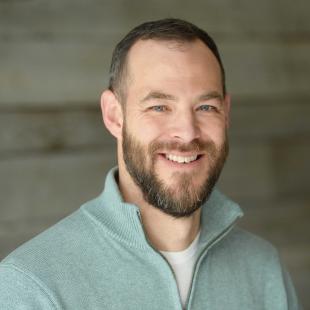
Darcy S. Peterka, PhD
Senior Scientist; Principal Investigator; Director of Team Science; Scientific Director of Cellular Imaging
Darcy Peterka is a Principal Investigator, the Director of Team Science and the Scientific Director of Cellular Imaging. His research spans neuroscience discovery, advanced imaging, neurotechnology and data science. Through the Team Science program, he works to drive groups toward ambitious and vanguard science. He brings interdisciplinary expertise and resources together, accelerating scientific discovery across the institute while also creating the institutional capabilities needed for the next generation of neuroscience research.
212-853-1124[email protected] -
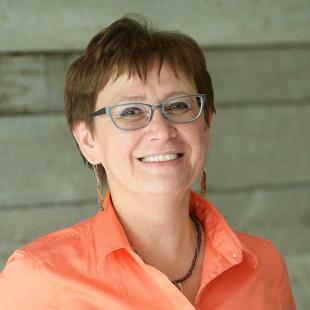
Tanya Tabachnik
Senior Director, Scientific Platforms, Shared Resources and Advanced Instrumentation
Tanya Tabachnik’s department creates new technologies that marry imagination and engineering in order to empower scientists to answer fundamental questions about living systems and how the brain works. Her hand-picked team designs and develops solutions that are elegant, efficient and cost-effective. She and her team have built everything from a device that maps the steps of a fruit fly to materials that function inside the brain without harming it. Bringing to life new tools that drive cutting-edge research requires more than clever engineering. Her team's innovations start with the close relationships being built with clients. They have experience translating the needs of researchers and shaping their dreams into workable plans for success.
Tanya comes to the Zuckerman Institute from Janelia Farm Research Campus of the Howard Hughes Medical Institute, where she led and managed the Mechanical Engineering and Fabrication Department. In that capacity, she and her team designed and customized scientific instruments and tools for neuroscience research. She earned her Bachelor’s and Master’s degrees in Engineering from Moscow State Technological University.
212-853-0472[email protected] -
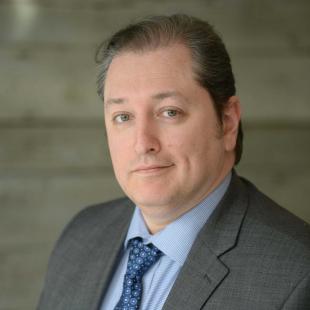
Arthur Uhimov
Executive Director, Pre-Award and Strategic Research Development
212-853-1435[email protected] -
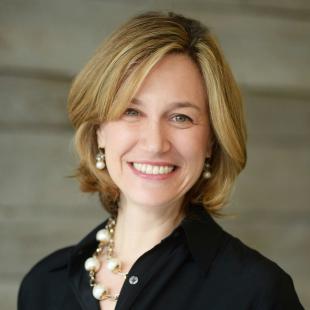
Amy Weil
Senior Director Communications
The Zuckerman Institute Communications team is dedicated to sharing the extraordinary research and discoveries at the Institute with broad audiences. Amy Weil manages the creation of tailored communications strategies that explore and explain the Institute’s groundbreaking science. Amy and her team work closely with Institute scientists and staff to create written content and multimedia, including videos and infographics, to convey the urgency and excitement of the brain science research at the Institute.
212-851-4393[email protected]
Team Members
Administrative Operations & Strategy
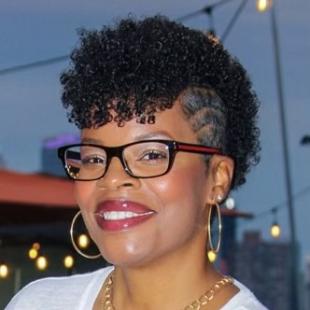
Melody Brumfield, Chief of Staff
Administrative Services
Jason McClellan, Chief Programs and Strategic Initiatives Officer
212-853-1052
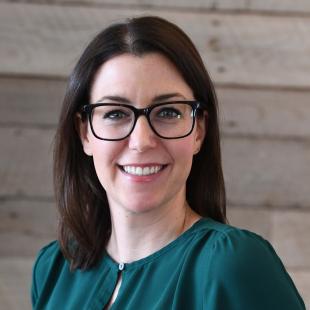
Erin Peterman, Director of Internal Communications
212-853-0792
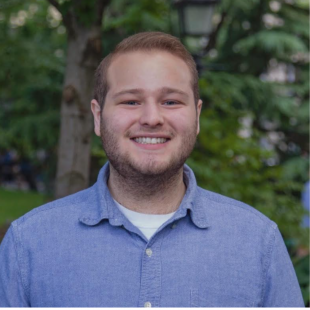
Dylan Glickel, Director, Strategic Administrative Operations
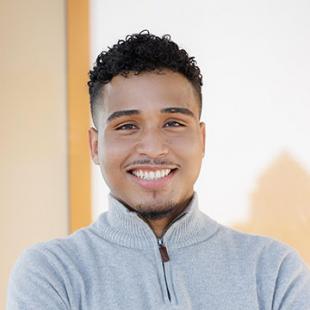
Christian Garbutt, Manager, Administrative and Event Support
212-853-3864
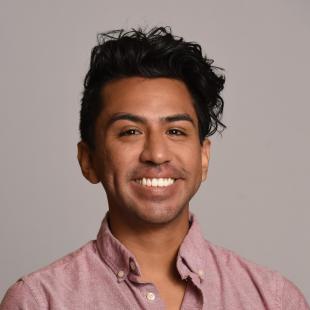
Alvaro Martinez, Internal Communications Specialist
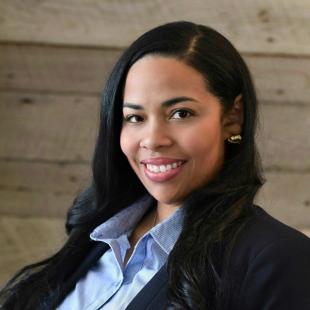
Marjorie Perez-Richardson, Assistant Director, Institute Events and Initiatives, Administrative Services
212-853-2099

Nicole Nolasco, Coordinator, Administrative and Event Support
Building Operations
Barbara Han, Executive Director of Building Operations
212-851-4391
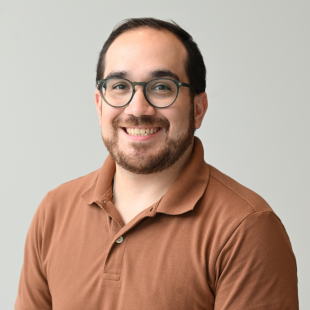
Brandon Lieff, Manager of Operations
212-853-1141
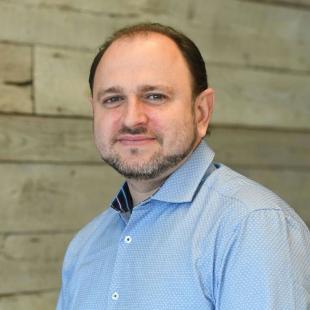
Aneudy Tapia, Senior Operations Coordinator
212-853-1506
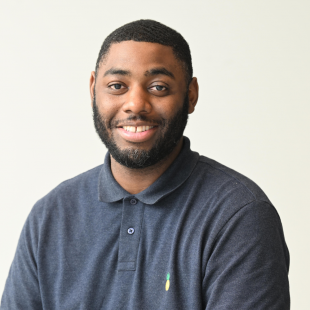
Martin Charles Cross II, Operations Coordinator
Communications
Amy Weil, Senior Director Communications
212-851-4393

Matteo Farinella, PhD, Scientific Multimedia Producer
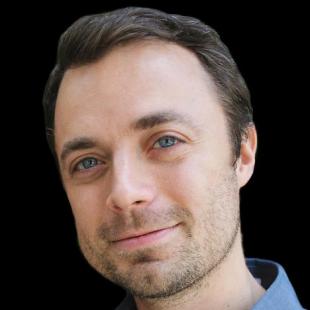
Devin Powell, Digital Content Manager
Development

Chistopher Lotis, Associate Director, Development Communications
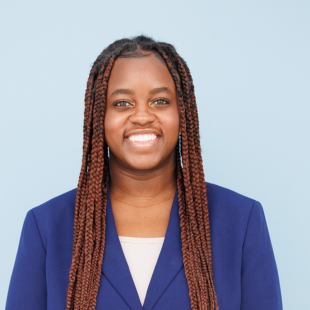
Kelechi Onuoha, Assistant Director, Development Programs
(212) 853-7266

Cassandra Ziegler, Deputy Director, Development Operations and Major Gifts
(212) 851-2977
Finance
Paige Lyne, Chief Finance & Research Operations Officer
212-854-1050
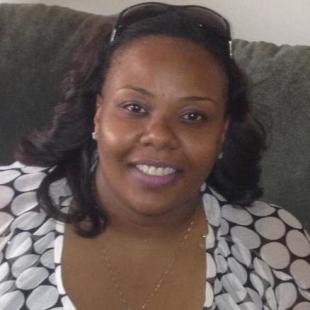
Samantha Adkins, Senior Financial Services Officer
212-853-7049
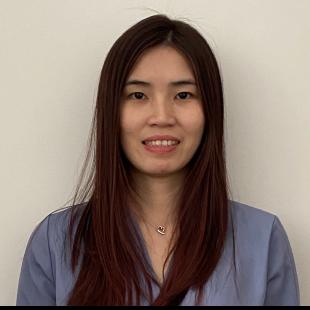
Pui Yen Cheung, Senior Finance and Accounting Associate
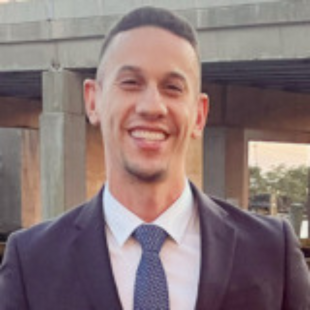
Joseph Fuentes, Senior Associate Director, Post Award Finance
212-853-2054
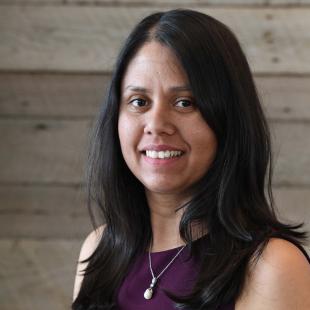
Anita Ramasami Henriquez, Director, Budget and Financial Analysis
212-853-2053
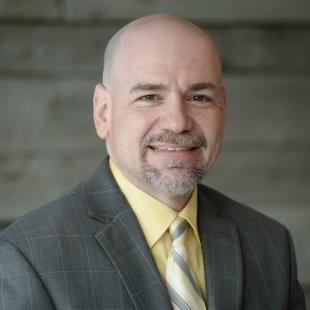
Ed Johnson, Director, Procurement and Accounts Payable
212-853-0170

Stella Lu, Director, Post Award Finance
212-853-8040
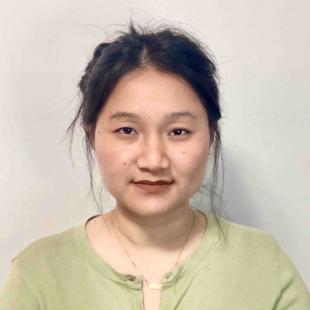
Poonam Sherpa, Senior Finance and Accounting Associate

Minwoo Son, Assistant Director, Post Award Finance
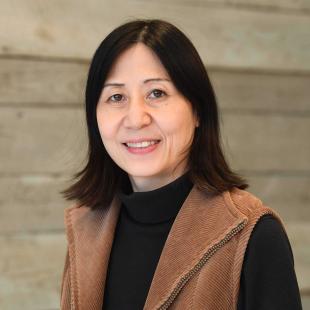
Joanna Xu, Senior Financial Service Officer
212-853-1734
Human Resources
Denise Gottwald, Senior Director for Human Resources and Academic Affairs
212-853-6668
Eulalia Sabrina Finley, HR Office Assistant, Work Study
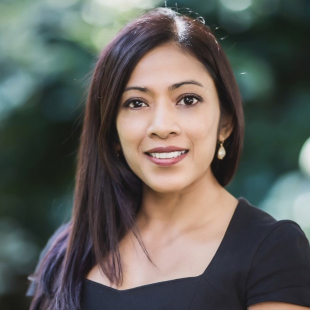
Katherine Lewis, Director, Human Resources Operations
212-853-4967
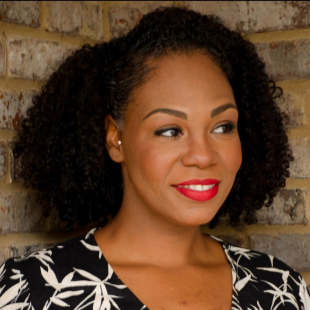
Patricia K McKelvin, Assistant Director, Human Resources
212-853-7429

Yesenia Ozoria-Urena, Senior Human Resources Generalist
212-853-7052
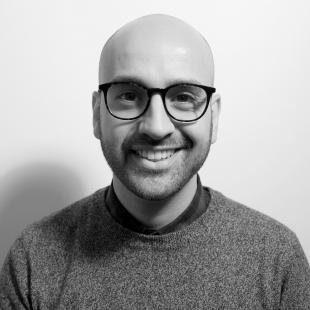
Gabriel Saravalli-Burchfield, Senior Associate Director, ZI HR International Research and Scholars
Infrastructure Technology and Support
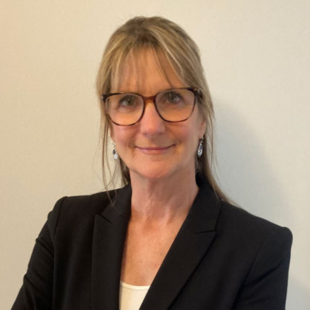
Tina Foley, Senior Associate Director of Infrastructure, Technology and Support

George Garrett, Director of Infrastructure Technology and Support
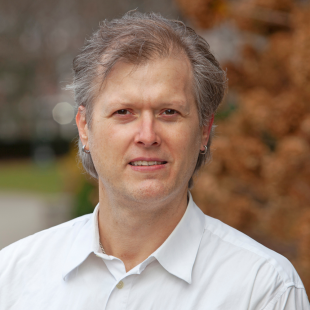
Robert Kudyba, Senior Systems Engineer
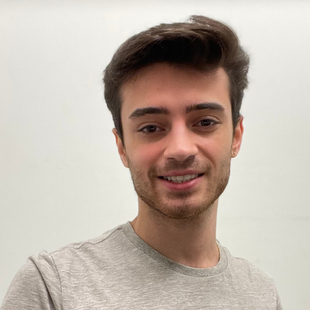
Guy Liotto, Manager, IT Solutions and Applications
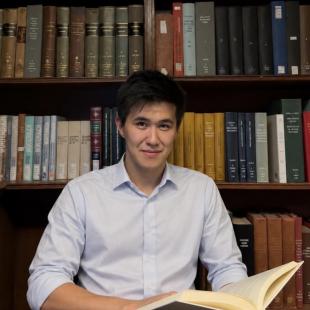
Amir Hossein Moradi, IT Support Specialist, Workstudy
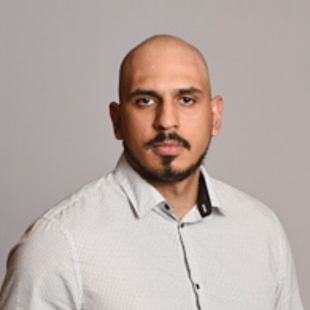
Hector Armando Rodriguez Acosta, Manager, AV Systems and Support
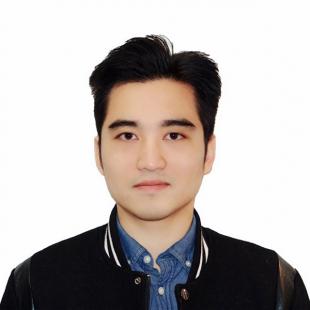
Yichao Zhang, Lead Research Systems Engineer
Pre-award and Research Development
Arthur Uhimov, Executive Director, Pre-Award and Strategic Research Development
212-853-1435
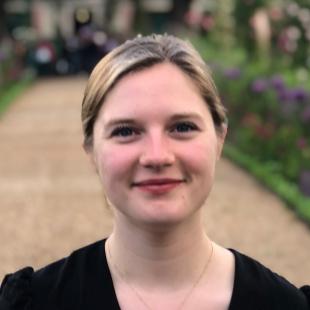
Tijana Bzenic, Assistant Director, Pre-Award Grant Management
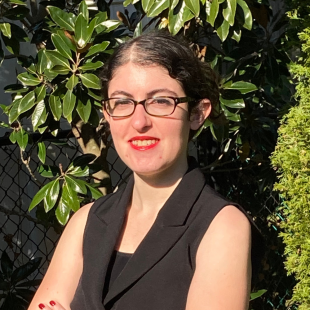
Jennifer Lieberman, Assistant Director of Pre-Award Grants Management

Tori Zhuravleva, Director, Strategic Research Development
Public Programs and Scientific Programs
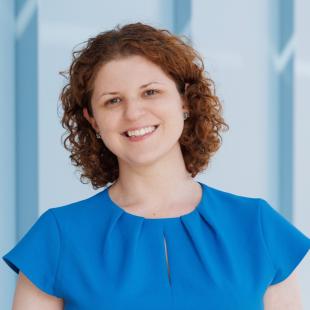
Melinda M. Miller, PhD, Senior Director, Institute Programs and Outreach
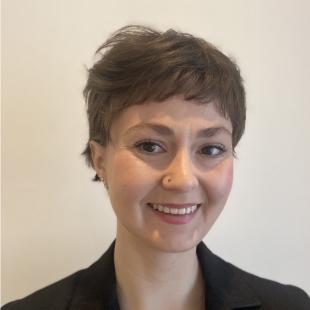
Maia Gumnit, PhD, Senior Public Programs Manager, Education and Administration
212-853-4256
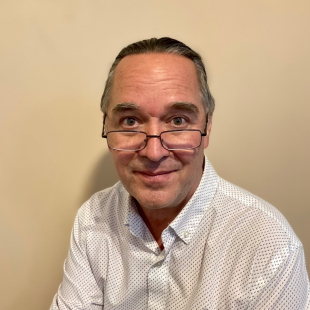
Kent Katner, Senior Program Manager, Public Programs
212-853-3960
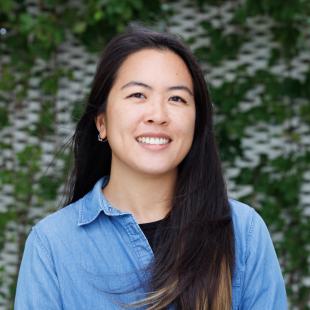
Diana Li, PhD, Associate Director of Education & Training Initiatives
212-853-7067
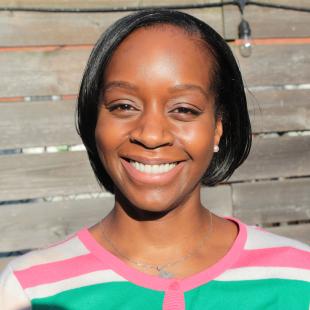
Alissa Mayers, Director of Public Programs
212-851-9612
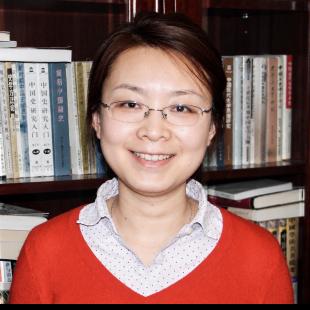
Chen Wang, PhD, Scientific Programs Manager
212-853-6904
Scientific Platforms: Advanced Instrumentation
Tanya Tabachnik, Senior Director, Scientific Platforms, Shared Resources and Advanced Instrumentation
212-853-0472
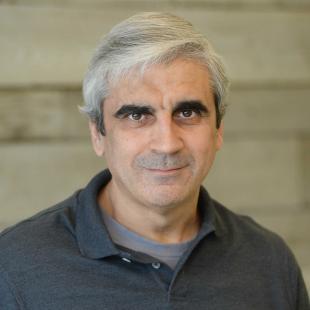
Richard Hormigo, Electrical Engineer
212-853-1258
Martin Mueller, Research & Development Electro-Mechanical Engineer
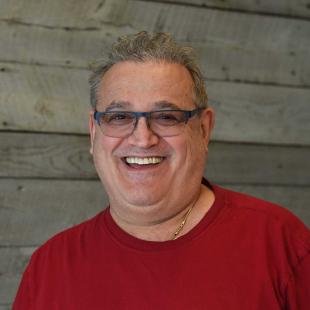
Chaim Sallah, Scientific Machinist
212-853-1258
Scientific Platforms: Cellular Imaging
Darcy S. Peterka, PhD, Senior Scientist; Principal Investigator; Director of Team Science; Scientific Director of Cellular Imaging
212-853-1124
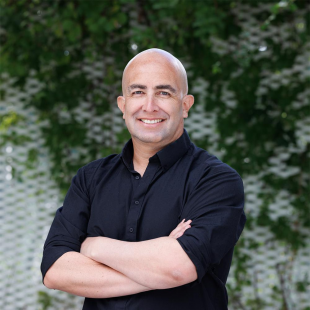
Humberto Ibarra, Manager, Cellular Imaging
Scientific Platforms: Custom Antibody Services
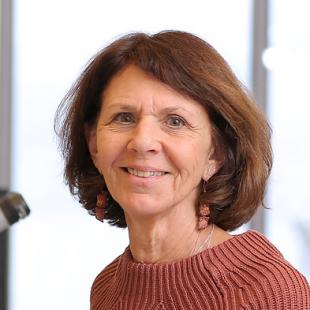
Susan Brenner-Morton, Director of Custom Antibody Services and Senior Science Officer
Scientific Platforms: Genetic Access Tools
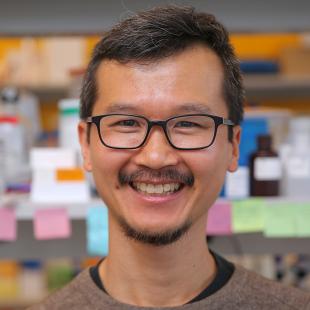
David Ng, PhD, Director of Genetic Access Tools and Associate Research Scientist
Scientific Platforms: Magnetic Resonance Imaging

Raphael T. Gerraty, PhD, Managing Director, MR Platform
212-853-4985
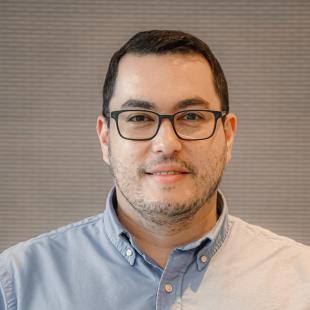
Jonathan Cardona, MR Technical Operations Manager
Vivarium Operations
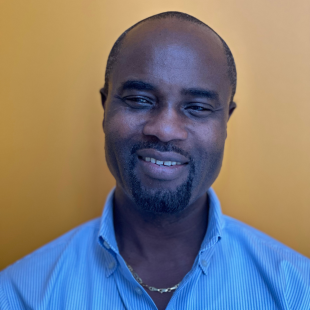
Marlon W. Lowe, Executive Director of Husbandry Operations
212-305-7326
Christol Pollard, Assistant Supervisor, ICM
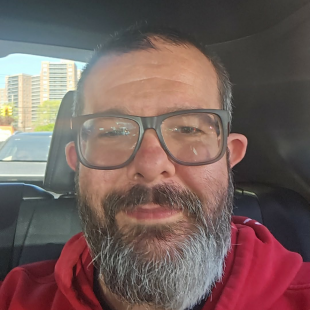
David Powell, Veterinarian Technician Supervisor
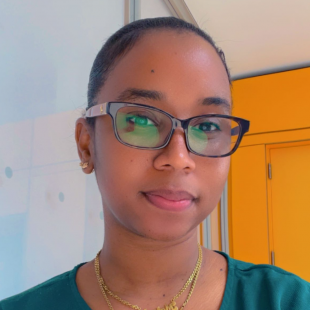
Sonia Thomas, Assistant Director of Husbandry Operations