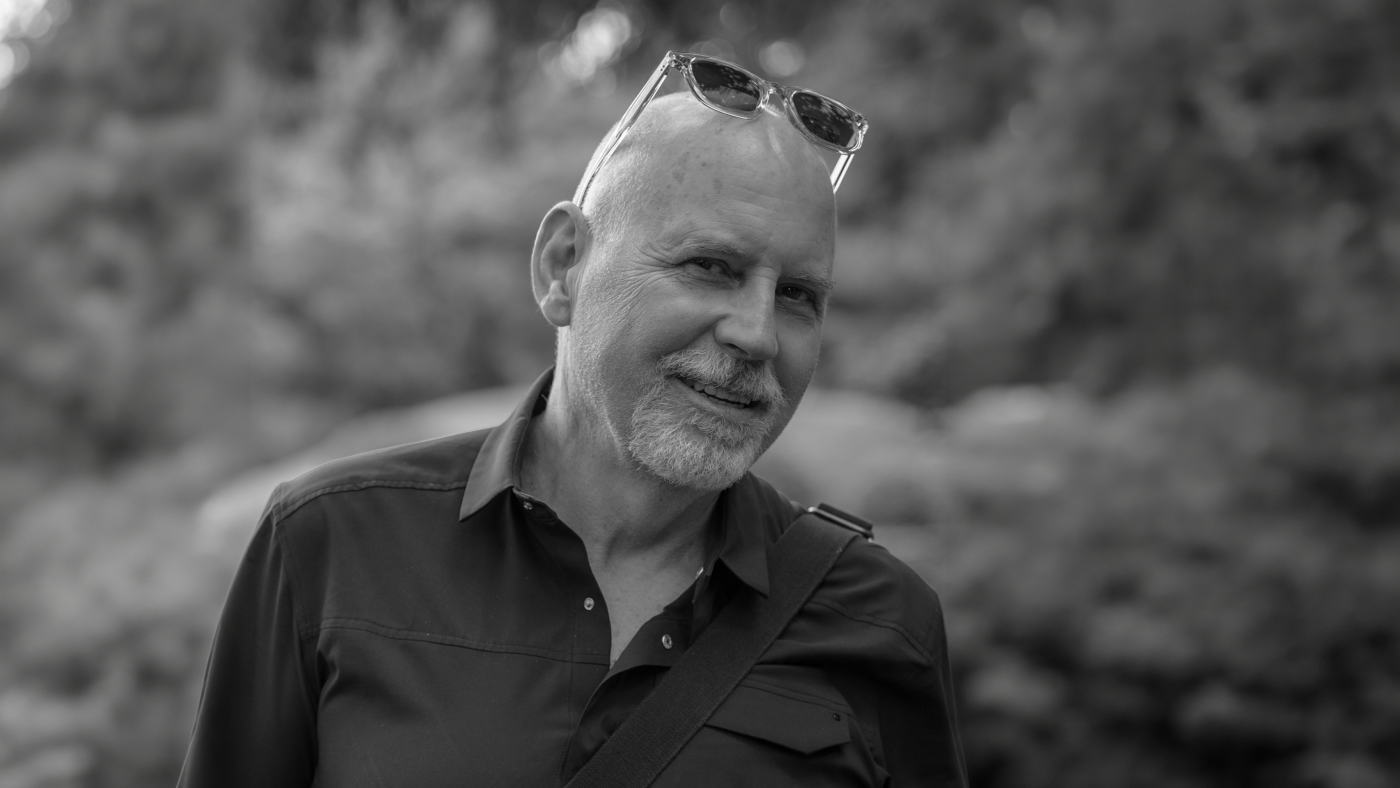
This year’s Wolf Prize in Medicine goes to neuroscientist Charles Zuker, PhD, a principal investigator at Columbia’s Zuckerman Institute, whose groundbreaking research into taste has helped to reveal how the brain transforms signals from the outside world into perceptions, actions and behaviors. The prize’s citation reads: “For revolutionizing our understanding of taste, the last of our senses to be elucidated.”
“Science is a team effort,” said Dr. Zuker. “My dear collaborators and past and present members of my lab are at the heart of everything we have done. Their curiosity, late nights and willingness to chase the unexpected made these discoveries possible. I am endlessly proud of them.”
Dr. Zuker, who is also a professor of biochemistry and molecular biophysics and of neuroscience at Columbia University Irving Medical Center and an Investigator at the Howard Hughes Medical Institute, has made foundational contributions to the biology of taste across many levels: from discovering the cells and receptors mediating the five basic taste qualities, sweet, sour, bitter, salty and umami, to mapping their biology from the tongue to the brain.
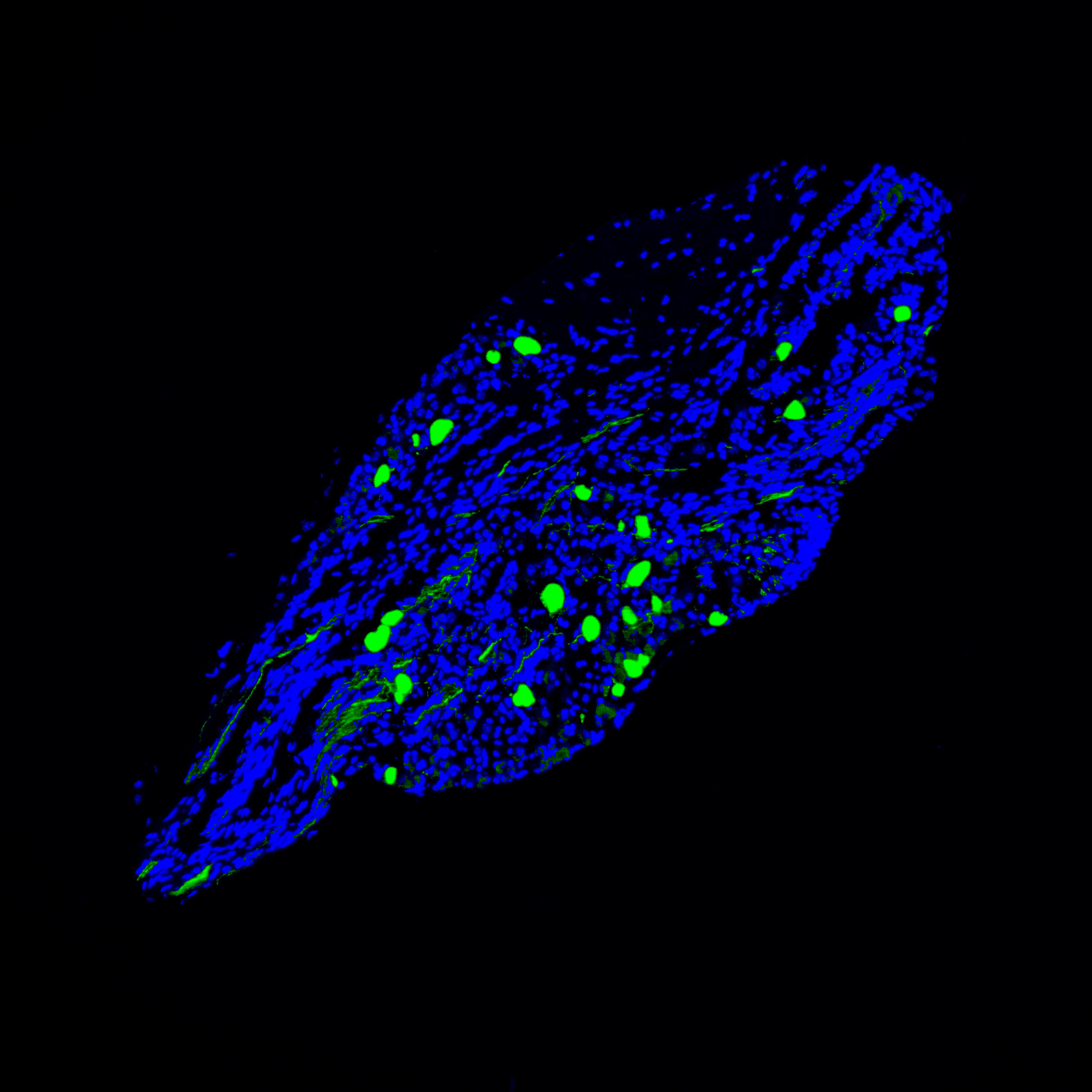
More recently, Dr. Zuker and his colleagues have explored the notion that taste isn’t just about the tongue, discovering how the gut-brain axis fundamentally alters our desire for sugar and fat. Their work revealed the fundamental difference between “liking” sugar and fat, which is mediated by the tongue, versus “wanting," which is mediated by the gut-brain axis.
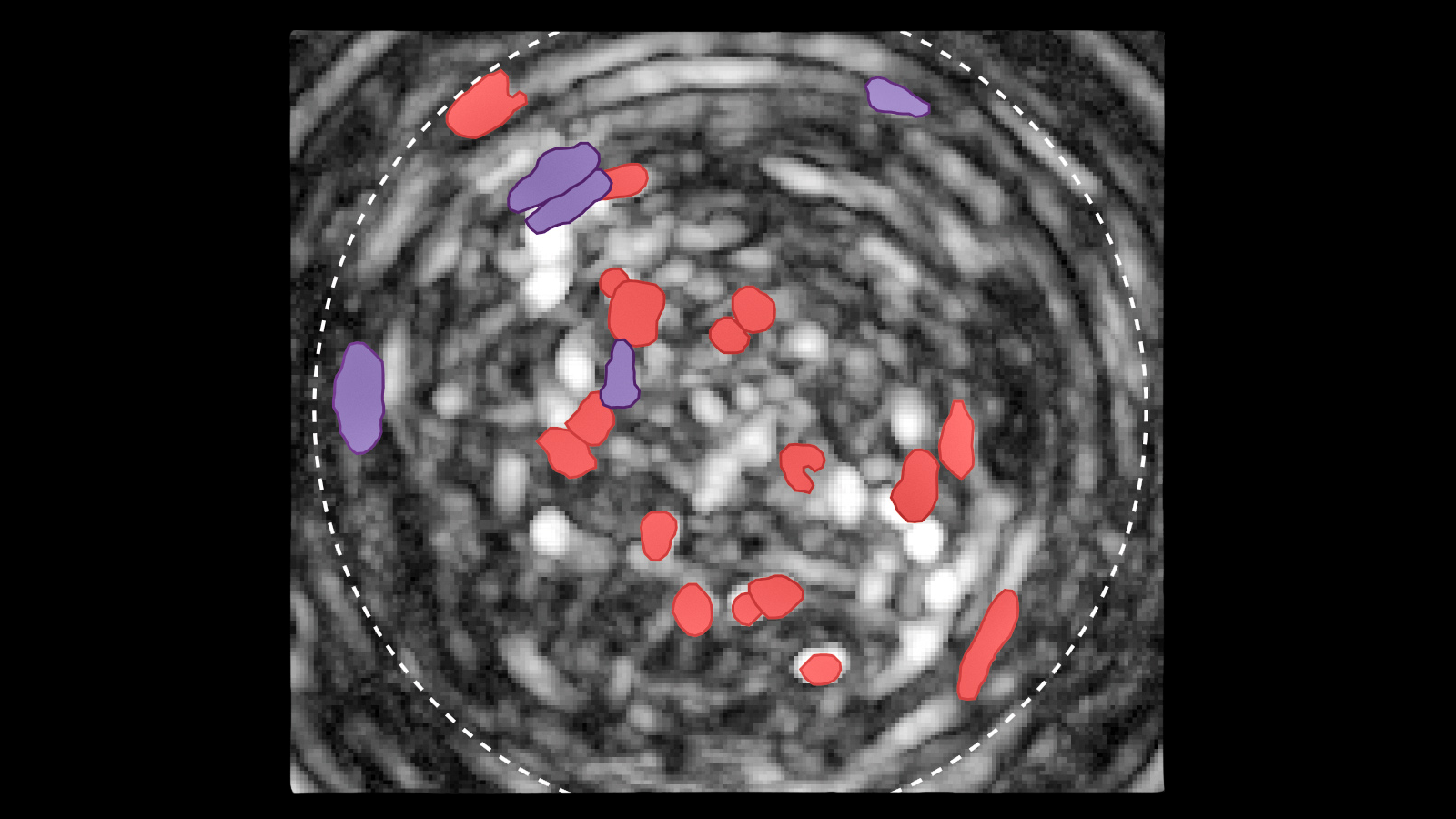
The lab is also investigating how internal signals from the body can transform the way our brain senses and regulates whole-body biology, from metabolism and physiology to immunity. Spanning more than two decades, Dr. Zuker’s research offers new strategies for potentially addressing problems ranging from obesity and eating disorders to a multitude of conditions in which communication between the brain and body goes awry.
He joins past Columbia winners of the Wolf prize Chien-Shiung Wu (Physics, 1978), Samuel Eilenberg (Mathematics, 1986), Gilbert Stork (Chemistry, 1995/1996), and Eric Kandel (Medicine, 1999).