News
October 10, 2023
Alan Kanzer Sponsors Unique, New Postdoctoral Program
Gift to support world-class postdoctoral scientists pursuing bold approaches to the study of mind, brain and behavior
The Alan Kanzer Postdoctoral Fellowship at Columbia University provides an opportunity for talented early-career scientists to pursue pioneering research into understanding the brain. Fellows become integral members of the Institute's vibrant intellectual community and have access to broad-ranging collaboration opportunities. Fellows have backgrounds in a variety of disciplines and are encouraged to carry out multidisciplinary research under the mentorship of one or more faculty members.
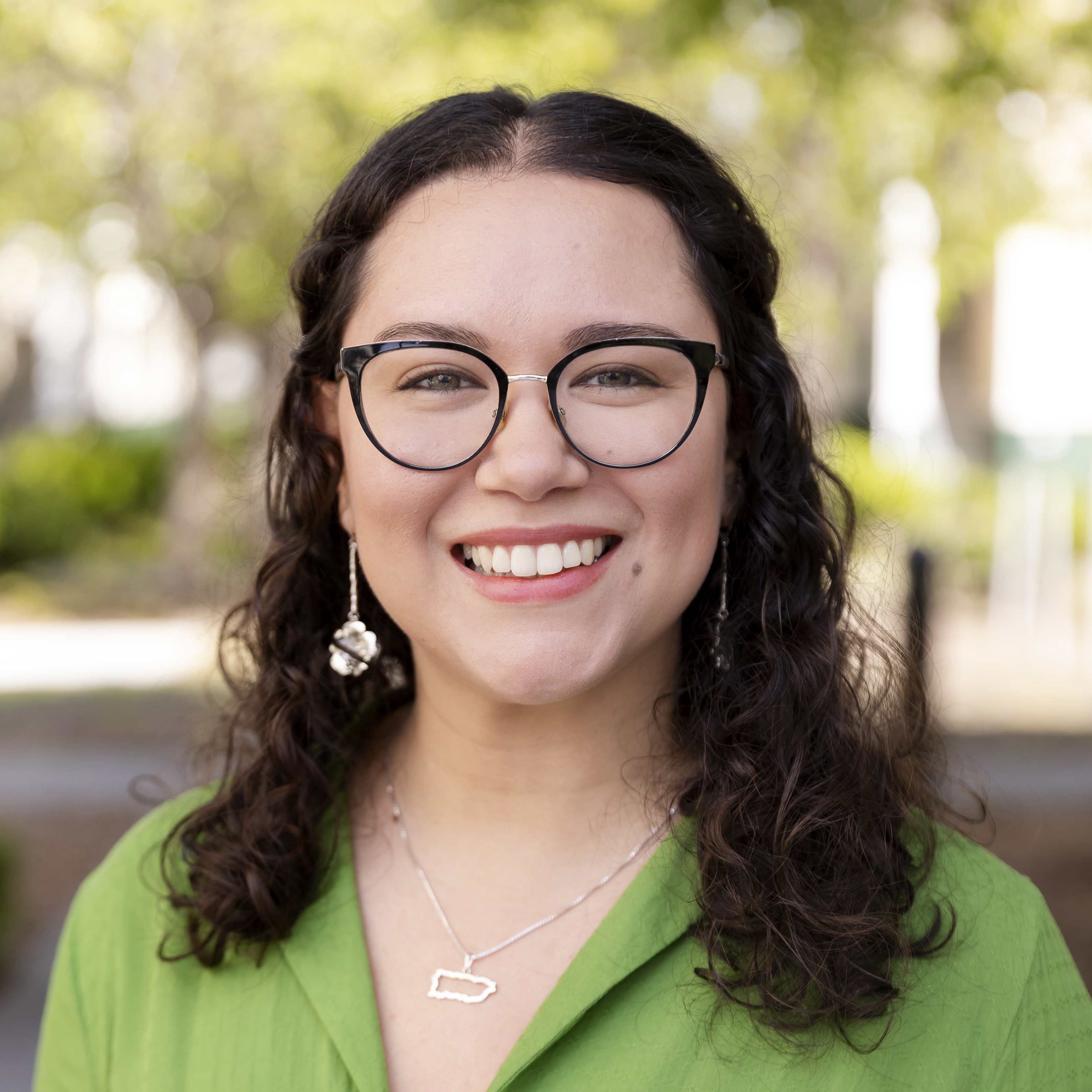 Amanda González-Segarra, PhD (she/her/ella)
PhD Institution: University of California, Berkeley
Faculty mentor: Rudy Behnia
Biography: Amanda González-Segarra completed her B.S. at the University of Puerto Rico, Río Piedras where she worked on tracing the motor nervous system of the sea cucumber Holothuria glaberrima to understand how the enteric nervous system is regenerated in the García-Arrarás lab. For her graduate work at UC Berkeley, she characterized a broad neural network that balances sugar and water ingestion in Drosophila melanogaster using a combination of connectomics, in vivo imaging and optogenetic behavioral assays in the Scott lab. Amanda then pursued a short post-doc in the Fernández lab at Barnard College, Columbia University studying the neural basis of sex differences in sleep in D. melanogaster. As a Kanzer Fellow, Amanda will pursue her postdoctoral work in the Behnia lab at Columbia’s Zuckerman Institute.
Summary of Research: A fundamental role of the brain is to use sensory input and prior experience to guide behavior and make adaptive decisions. Hebbian learning—where coincident activity between neurons alters synaptic strength—underlies the plasticity of circuits that assign valence to environmental cues by integrating sensory signals with reward or punishment. Most circuit-level studies of learning rely on unisensory paradigms, which are easier to control experimentally; however, learning typically involves multiple senses. Despite its ecological relevance, the neural basis of multisensory learning remains poorly understood. The recent publication of the Drosophila whole-brain connectome revealed that, while most input into the learning and memory center of the fly brain is from olfactory neurons, it also receives inputs from other sensory modalities, including a considerable fraction of visual inputs. With its tractable nervous system and rich genetic and connectomic tools, Drosophila is an ideal model to study multisensory learning. For her postdoctoral work in the Behnia lab, Amanda will determine the neural circuit mechanism for multisensory learning in D. melanogaster.
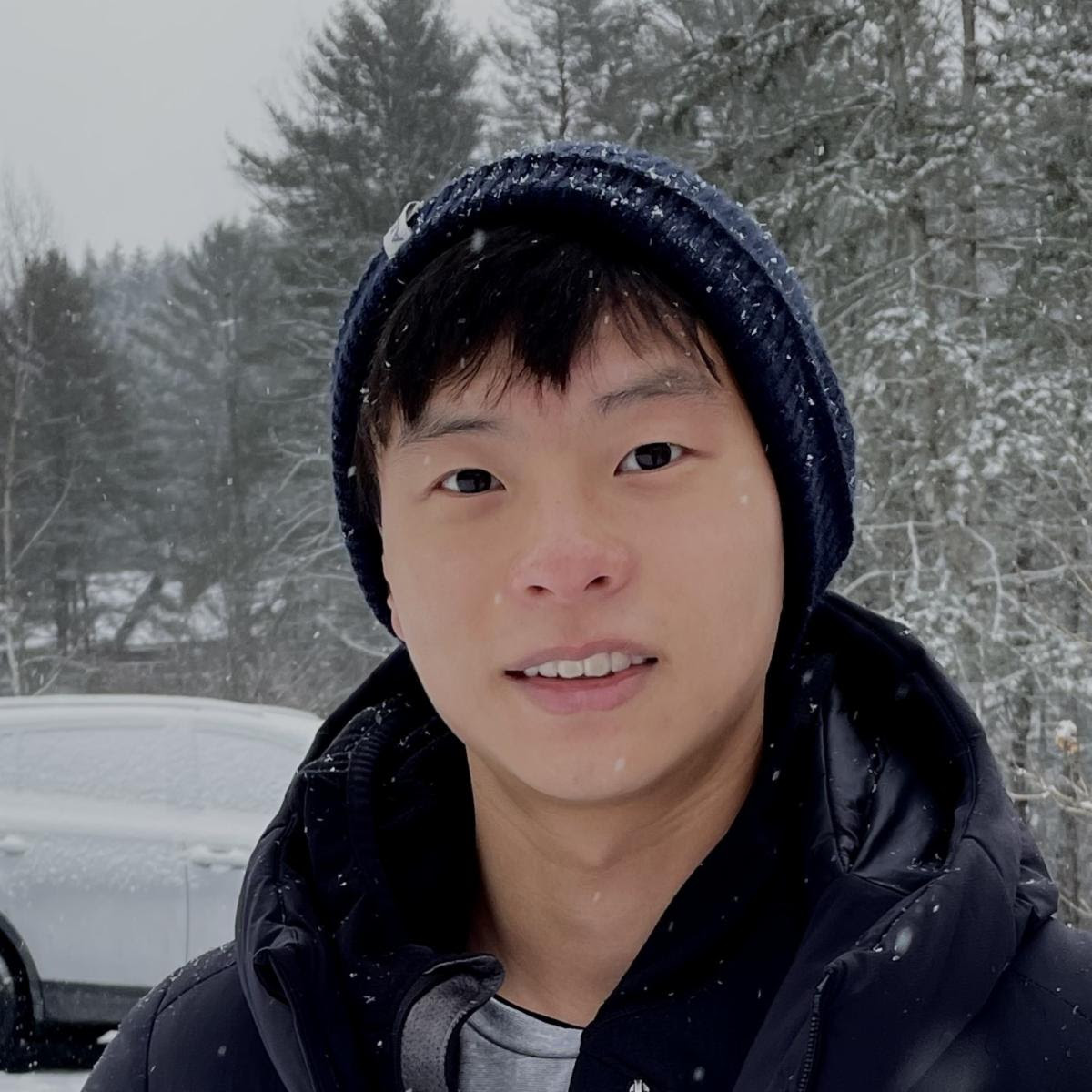 Eric Hu, PhD (he/him)
PhD Institution: University of California, Berkeley
Faculty Mentors: Mark Churchland and Lea Duncker
Biography: Eric Hu grew up near Boston, Massachusetts. He received his B.S. with a double major in Applied Mathematics and Neuroscience from Johns Hopkins University, where he worked with Dr. Vikram Chib as an undergraduate research assistant. He then completed his Ph.D. in Neuroscience at the University of California, Berkeley with Dr. Joni Wallis. During graduate school, Eric recorded single-neuron activity in the orbitofrontal cortex (OFC) of non-human primates as they planned future routes during a virtual navigation task, and he found that OFC neurons compute the value of future states during planning. Eric is now a postdoc working with Dr. Mark Churchland and Dr. Lea Duncker at Columbia University's Zuckerman Institute, where he will continue to study the role of the prefrontal cortex during planning.
Summary of Research: A critical feature of intelligent behavior is the ability to plan into the future. Forming a plan is an inference problem, where the optimal course of action is sampled from the space of possible futures. This sampling procedure requires a mental workspace where potential plans can be maintained, manipulated, and evaluated. Eric's postdoctoral research will examine how the prefrontal cortex functions as such a workspace, using high-density electrophysiology and neural network modeling to describe the neuronal dynamics underlying plan formation.
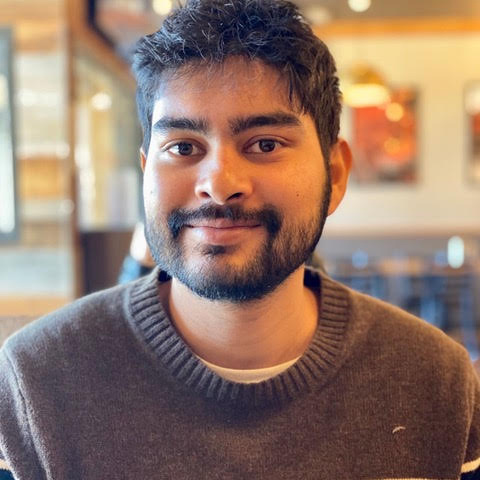 Sreejan Kumar, PhD (he/him)
PhD Institution: Princeton University
Faculty Mentor: Lea Duncker
Biography: Sreejan Kumar was born and raised in suburban Maryland. He obtained his BS with a dual major in Computer Science and Statistics & Data Science at Yale University, where he worked as a research assistant in the Department of Psychology with Nicholas Turk-Browne and Marvin Chun. He then pursued a PhD at Princeton University with Professors Tom Griffiths and Jon Cohen. During graduate school, Sreejan’s research was recognized with accolades such as the Google PhD Fellowship and a NeurIPS Outstanding Paper Award. Sreejan is now a postdoc working with Professor Lea Duncker, as well as a visiting academic at the NYU Department of Psychology, working with Professor Marcelo Mattar. His postdoctoral research focuses on modeling the neural mechanisms underlying flexible behavior, bridging cognitive theory with systems neuroscience. In 2025, he additionally received a Leon Levy Scholarship in Neuroscience.
Summary of Research: Sreejan studies how the brain supports flexible learning and generalization. In his PhD, he used computational cognitive science to investigate these abilities in humans and artificial intelligence. As a postdoc, he now focuses on the neural mechanisms of flexibility, taking inspiration from what is already known about habits. Habits, learned slowly through repetition and expressed automatically, are often seen as the opposite of flexibility. Research has shown that such habitual behaviors depend on the dorsolateral striatum (DLS), while flexible, goal-directed behaviors depend on the dorsomedial striatum (DMS). Sreejan’s theory is that just as the DLS generates motor actions to take action on our external environments, the DMS generates mental actions—like deciding what to store in memory or when to commit to a choice—that act on our internal environments. These mental actions are what enable behavioral flexibility. He uses recurrent neural network models to formalize these ideas and works to link them with neural recordings across animal species performing flexible behaviors. In the future, Sreejan hopes these theories will allow us to understand how we can see the process of the brain's powerful learning unfold internally through neural data rather than externally through behavior.
Yuta Mabuchi, PhD (he/him)
PhD Institution: Cornell University
Faculty Mentor: Andrés Bendesky
Biography: After earning his BS in Biological Sciences from Hokkaido University, Japan, in 2017, Yuta Mabuchi went on to earn a Ph.D. in Neurobiology and Behavior from Cornell University. During his Ph.D. in Nilay Yapici’s lab, Yuta studied visually-guided male courtship behavior in the fly, Drosophila melanogaster using genetic manipulations, two-photon calcium imaging, and machine-learning based behavioral quantifications. As a postdoctoral fellow in Andrés Bendesky's lab at the Zuckerman Institute, Yuta is interested in studying the genetic and neuronal basis of behavioral evolution in Peromyscus species. In 2025, Yuta additionally received a Leon Levy Scholarship in Neuroscience.
Summary of Research: For his postdoctoral work, he is studying how genetic variation modifies neural circuits to alter behavior, with a particular focus on parental behavior. Parental care is critical to child survival and healthy human development, yet little is known about how the brain controls parental care and about variation in parental behavior between individuals and species. He uses two species of evolutionarily unique Peromyscus mice, the oldfield mouse (P. polionotus) and the deer mouse (P. maniculatus), which display drastically different parental strategies. The oldfield mouse is monogamous and displays biparental care, while the deer mouse is promiscuous and fathers provide little parental care. Using evolutionarily unique Peromyscus mice, he studies the mechanistic basis of parental care using genetic, genomic, molecular, circuit, and behavioral tools.
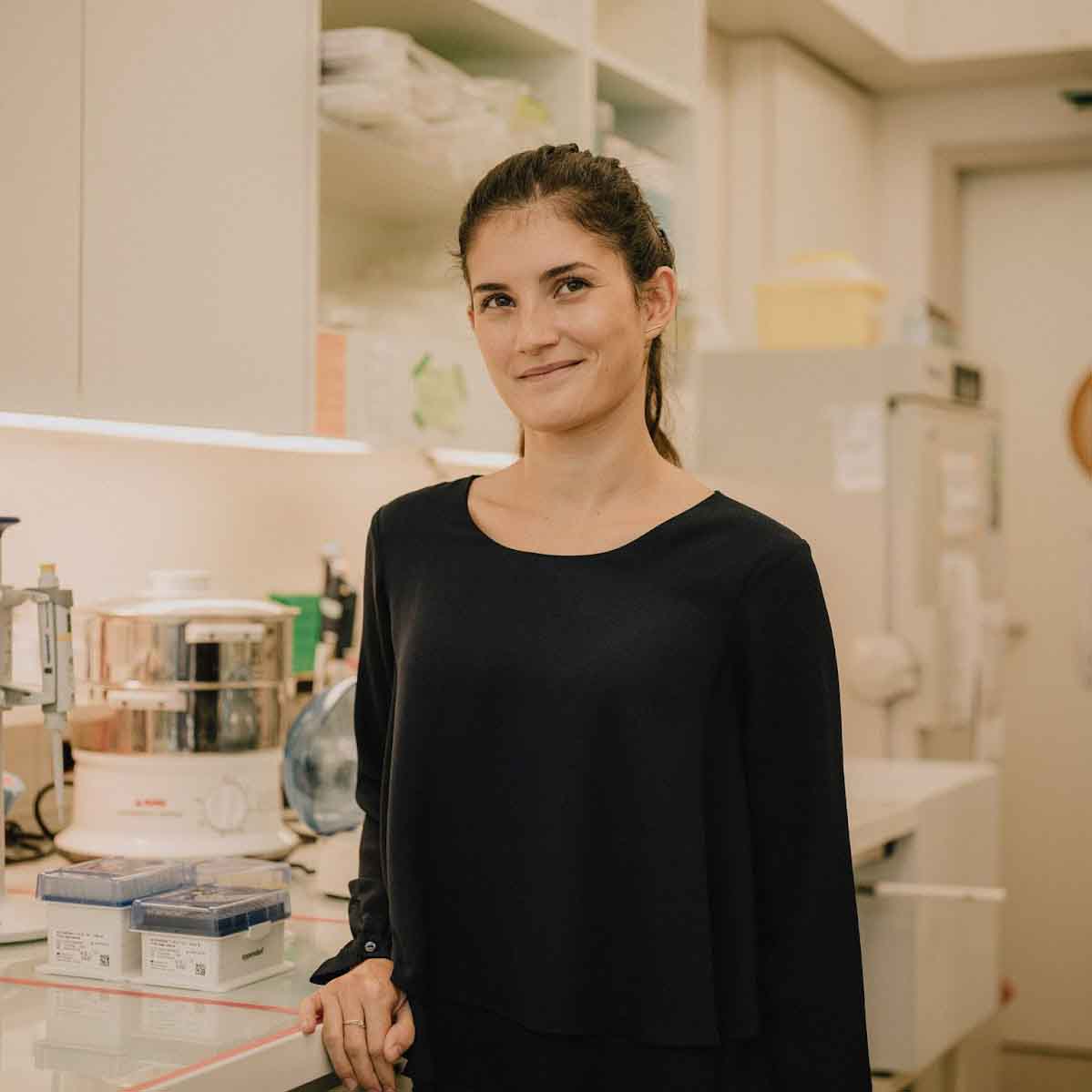 Maëla Paul, PhD (she/her)
PhD Institution: Sorbonne University
Faculty Mentors: Stavros Lomvardas and Franck Polleux
Biography: Maëla Paul earned her B.Sc. in biology and M.Sc. in neuroscience from École Normale Supérieure in Paris. She then pursued her Ph.D. in Neuroscience at Sorbonne University under the supervision of Fekrije Selimi at the Collège de France. Her doctoral research challenged a long-standing theory about how brain connections form, revealing that specific connections between neurons aren't predetermined but develop through a precise step-by-step process. Using the cerebellar circuit as a model system, she demonstrated how different types of inputs initially form similar connections to the same target cells before one type develops its own unique molecular identity, a process regulated by neuronal activity, suggesting that experience shapes specific brain connections during development. In addition to being a Kanzer Fellow, she is a Junior Simons Fellow as of July 2025.
Summary of Research: Working with Stavros Lomvardas and Franck Polleux at Columbia University's Zuckerman Institute, Maëla is investigating how individual neurons achieve precise connections with multiple brain targets. While most neuroscience research has focused on connectivity patterns where multiple neurons converge onto single targets, her work addresses the more complex "one-to-many" paradigm, where individual neurons project to many different brain regions simultaneously. This research addresses fundamental questions about these complex connectivity patterns that have been largely overlooked, with important implications for understanding neurodevelopmental disorders.
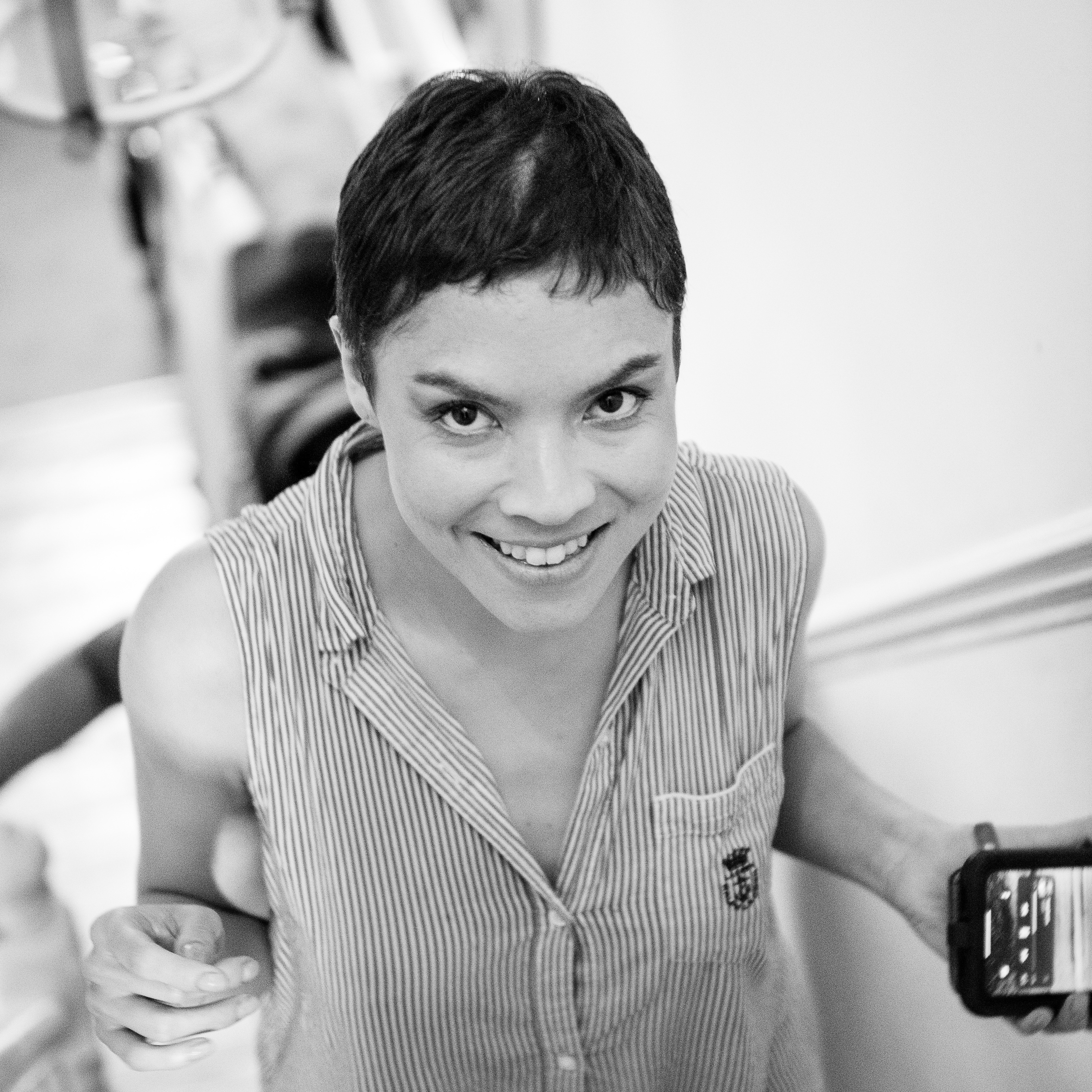
Sandra Romero Pinto, PhD (she/her)
PhD Institution: Harvard University
Faculty Mentor: Dmitriy Aronov
Biography: Sandra Romero Pinto was born and raised in Lima, Peru, where her family still lives. She left the country at age 19 to pursue her undergraduate degree in Monterrey, Mexico, where she studied Biomedical Engineering and spent her final year at Politecnico di Milano, Italy. During her time in Italy, she became excited about the field of neuro-engineering, which led her to pursue a Master’s degree at EPFL in Switzerland. There, she further specialized in engineering applications to the brain, focusing her research on the development of neural prostheses for the visual system. Her work at EPFL deepened her interest in neuroscience, and she completed her PhD at Harvard, studying the dopaminergic system in the brain, with a focus on reinforcement learning under the supervision of Nao Uchida. She recently moved to NYC and is excited to begin this new chapter in her career.
Summary of Research: During her PhD, Sandra’s research focused on bridging computational models with the biological implementation of the brain, working at the intersection of theoretical and experimental neuroscience. At Columbia, she plans to continue working in this interdisciplinary domain, studying animals performing ethologically relevant tasks and specialized behaviors. She will investigate episodic and semantic memories in food-caching birds with Dmitriy Aronov and is also interested in pursuing extensive collaborations with the Columbia Theory Center.
The Aronov lab has conducted ground-breaking research in food-caching birds, discovering a potential neural code for episodic memory, instantiated as a sparse activation of a random set of neurons referred to as 'barcodes.' One of the key questions Sandra is eager to address in her postdoctoral work is how this transient code for episodic memory relates to the more stable place cell code in the hippocampus. Understanding this link would be exciting, as it could unite different perspectives on the role of the hippocampus in memory.
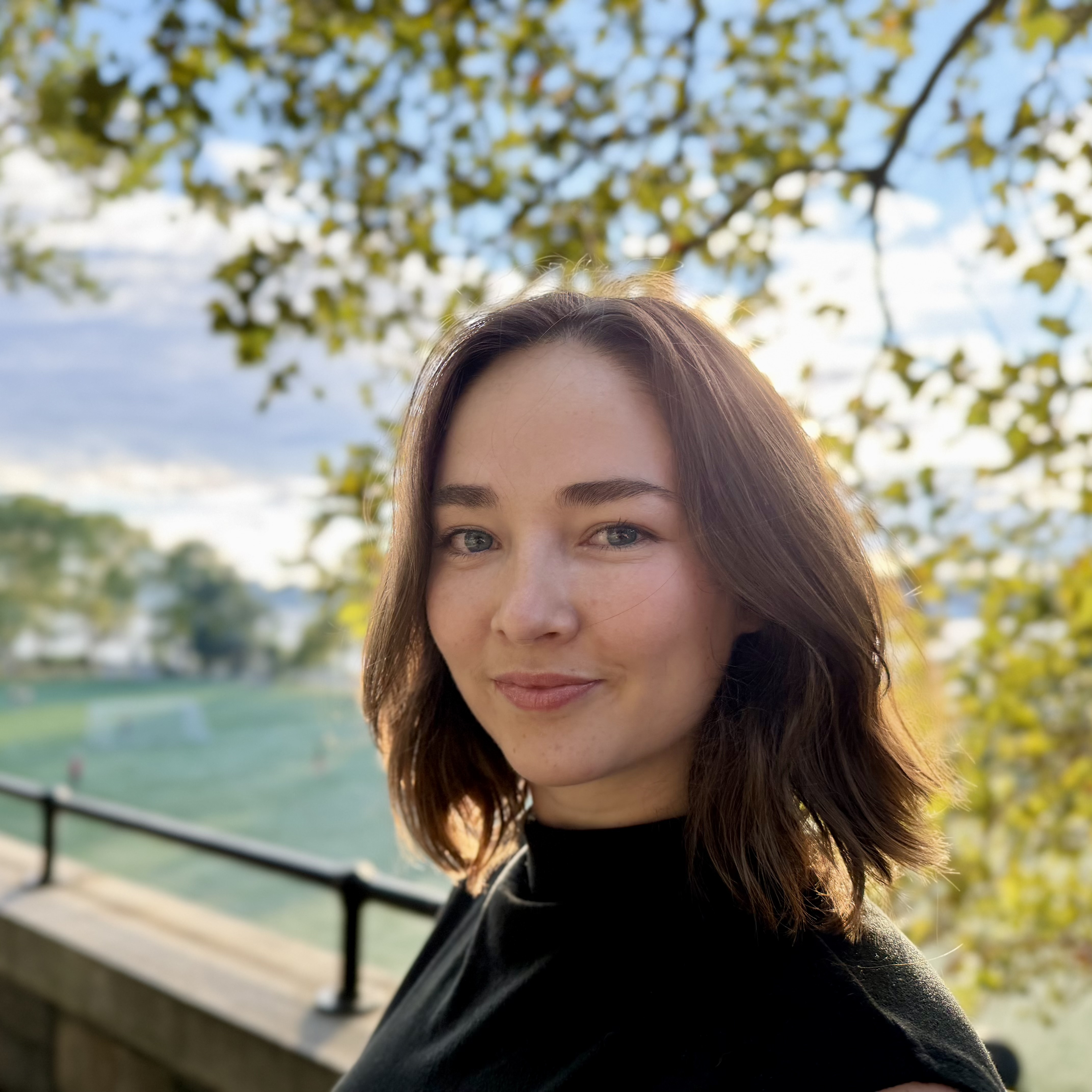 Miah Pitcher, PhD (she/her)
PhD Institution: University of California, Berkeley
Faculty Mentor: Rudy Behnia
Biography: Miah Pitcher’s doctoral research investigated how spontaneous neural activity shapes the development of visual circuits. In particular, she studied how retinal waves—spontaneous patterns of activity that occur in the developing retina before vision—guide the maturation of circuits that detect motion. This work examined both how structured patterns of neural activity arise and how developing neurons interpret those patterns to shape circuit organization.
Summary of Research: In her postdoctoral work, Miah is extending these questions from the development of sensory circuits to understand how sensory information is used to guide behavior. Using the fruit fly Drosophila, she studies how different features of the visual environment are integrated to support navigation. By combining genetic, imaging, circuit-mapping, and computational approaches, she aims to understand how neural circuits select and combine sensory features to build stable representations of the world and flexibly guide behavior.
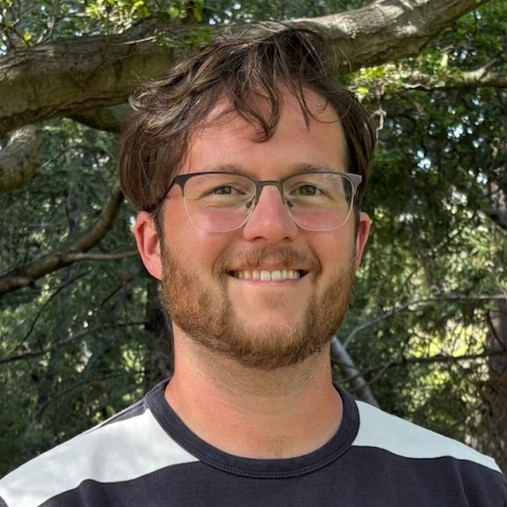 Logan Thomas, PhD (he/him)
PhD Institution: University of California, Berkeley
Mentors: Vikram Gadagkar and Larry Abbott
Biography: After graduating from Northeastern University in 2015, Logan Thomas was a software engineer at Cakewalk, an audio software company, working on signal processing algorithms for software made to create music. After that, he worked in the Connectomics lab of Wei-Chung Allen Lee at Harvard Medical School, working on understanding the circuits of the cerebellum using connectomics methods for circuit reconstruction. As a PhD student in the Theunissen lab at UC Berkeley, Logan studied auditory processing in zebra finches. He developed novel chronic recording methods and encoding models to investigate how behavioral context shapes neural responses, revealing that distinct neural populations in primary and secondary auditory areas specialize in sound segmentation versus identification. His work demonstrates how active categorization enhances neural precision and adapts tuning to optimize discrimination between behaviorally relevant categories. As of 2026, Logan is both an Alan Kanzer Fellow and a Fellow in the Integrated Computational and Experimental Sensorimotor Control at the Zuckerman Institute.
Summary of Research: Working with Vikram Gadagkar and Larry Abbot at the Zuckerman Institute, Logan's research investigates the neural mechanisms underlying female mate choice in zebra finches, focusing on how female finch brains evaluate and respond to male courtship songs. His work comprises two interconnected projects that explore the pathway from sensory perception to behavioral attraction. This research leverages Logan's expertise in high-density electrophysiology and encoding models, while collaborating with labs at the Zuckerman Institute specializing in behavioral preference assays and dopamine signaling. The findings will illuminate fundamental mechanisms of mate choice and could provide broader insights into preference and decision-making across species.

Jessica Zung, PhD (she/her)
PhD Institution: Princeton University
Faculty Mentor: Gwyneth Card
Biography: Jessica Zung is a postdoctoral research associate in the Card Lab at the Zuckerman Institute at Columbia University. She caught the research bug as an undergraduate studying bumble bee behavior and distribution in the Colorado Rocky Mountains and has been fascinated by insect behavior ever since. During her PhD in the Department of Ecology and Evolutionary Biology at Princeton University, she studied the evolution of human-specialist mosquitoes, focusing on the chemistry of human and animal odors. As a postdoc, Jessica has switched her research focus from mosquito olfaction to fly vision. She is exploring how visual information is processed by special feature-detecting neurons and their downstream partners. Throughout her scientific career, Jessica has been especially drawn to studying both the 'how' and the 'why' of natural animal behaviors, striving to understand their mechanistic basis as well as their ecological and evolutionary context. When not in the lab, she enjoys spending her time biking, cooking, and woodworking. In addition to being a Kanzer Fellow, she is a Junior Simons Fellow as of July 2025.
Summary of Research: A critical part of visual processing is interpreting patterns of light and dark falling on the retina as meaningful objects that an animal can respond to appropriately: e.g., to flee from a looming shadow cast by an approaching predator or to follow a moving object that represents a prospective mate. A single stimulus may include multiple visual features that enable an animal to identify an object and respond appropriately. In the vinegar fly Drosophila melanogaster, many of these features are encoded by a few dozen distinct classes of visual projection neurons called LC (lobula columnar) neurons. Jessica is taking advantage of the abundance of genetic tools and connectomic data available in Drosophila to probe how information from multiple LC cell types is combined to drive ethologically relevant behaviors.
ALUMNI

PhD Institution: Stanford University
Faculty Mentors: Attila Losonczy and Stefano Fusi
Biography: As a PhD student in the Adesnik Lab at UC Berkeley, Hayley Bounds used new optical techniques to understand a question in neuroscience: how the activity of cells in the brain leads to perceptual experience. They used 2-photon optogenetics to control the activity of individual neurons in a live animal and tested how activating cells with different functional properties impacts whether the animal can detect a difficult-to-see stimulus. Hayley found that the functional type of the cell did not predict its impact on behavior, but its influence on neighboring cells did. This result challenges long-held beliefs about the brain and supports newer, population code based theories. As a Kanzer Fellow at Columbia’s Zuckerman Institute, Hayley worked with Attila Losonczy and Stefano Fusi to understand how circuits in the hippocampus support behaviorally-relevant spatial memory formation and maintenance. In fall 2025, Haley joined the Cortexlab at University College London to work with Kenneth Harris and Matteo Carandini on using causal perturbations to understand cortical dynamics across states.
Summary of Research: Hayley’s research investigated how place cells in the hippocampus integrate sensory history, an internal sense of velocity, and sensory landmarks to form a spatial map. By manipulating cues in virtual reality environments, they discovered that visual landmarks can override the brain'ss internal sense of distance. But surprisingly, the power of these familiar visual landmarks to drive neural responses is lost when they are preceded by novel sets of cues. To understand this phenomenon, Hayley developed computational models using sparse autoencoders—artificial neural networks that mirror how the brain efficiently stores memories through sparse patterns of activity. This research reveals how the brain's navigation system depends not just on individual landmarks, but on the broader context in which those landmarks are encountered.
Qihong Lu, PhD (he/him)
PhD Institution: Princeton University
Faculty Mentors: Stefano Fusi and Daphna Shohamy
Biography: In 2026, Qihong Lu became a Presidential Assistant Professor in Neuroscience at the City University of Hong Kong, working on how humans strategically use episodic memory to support cognition. As an Alan Kanzer Postdoctoral Fellow at Columbia University with Daphna Shohamy and Stefano Fusi. He previously obtained his PhD in Cognitive Psychology from Princeton University.
Summary of Research: Qihong is interested in what he calls the “optimal episodic memory (EM) policy”—when to encode and retrieve EM and how to coordinate EM with other memory systems. While at the Zuckerman Institute, using a combination of behavioral experiments and computational modeling, he studied how humans use episodic memory for decision-making, how environmental statistics influence episodic memory use, and how humans learn what to encode in episodic memories.
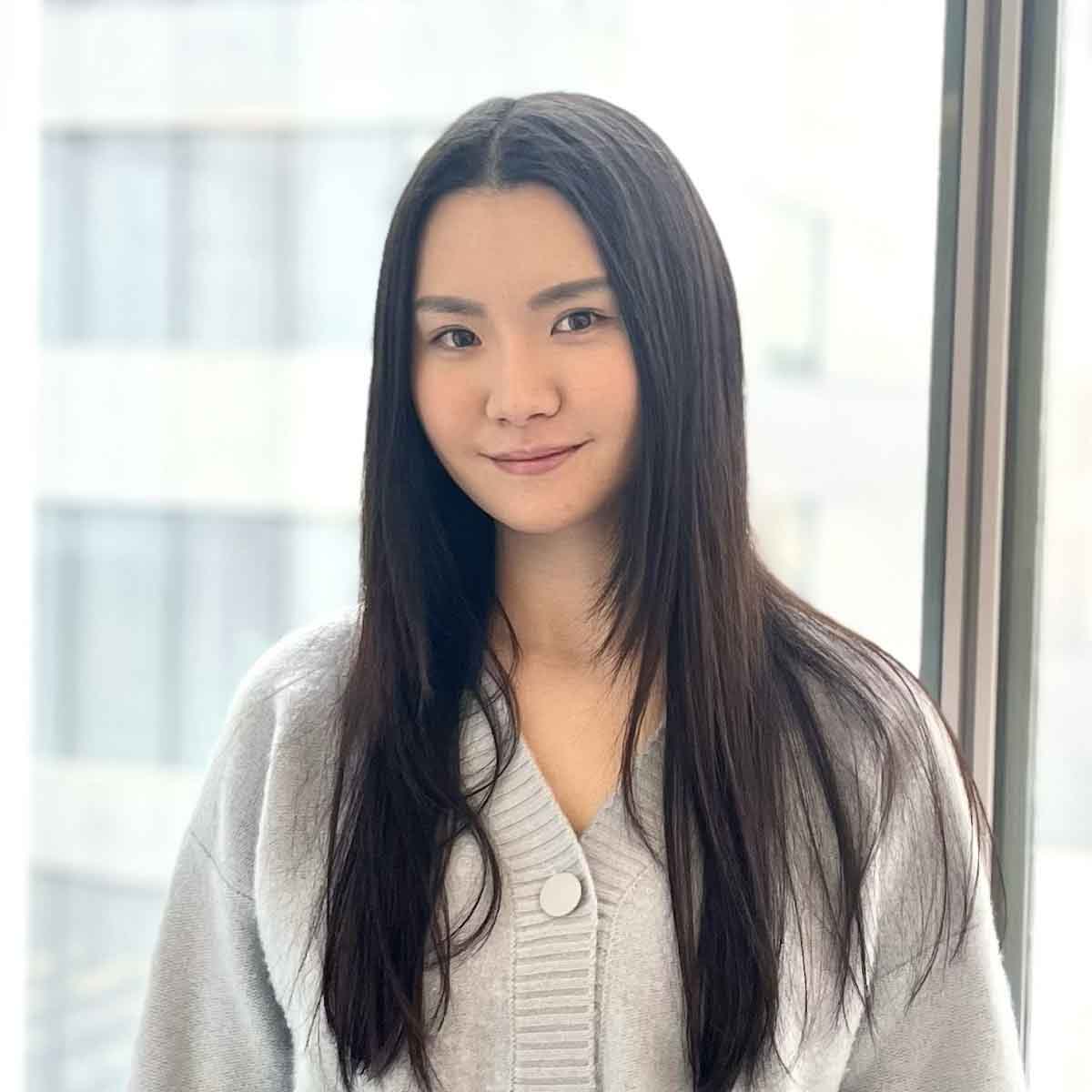
Chuyi Su, PhD (she/her)
PhD Institution: University of Connecticut
Faculty Mentor: Yasmine El-Shamayleh
Biography: Chuyi Su is a systems neuroscientist with expertise in studying the functional role of thalamocortical circuits in visual information processing. Her PhD research focused on delineating the contribution of specific cortical cell types and layers in early visual processing. Her postdoctoral research built on this foundation by continuing to study the cellular and circuit mechanisms underlying high-level visual processing in the cerebral cortex.
Summary of Research: The goal of Chuyi's postdoctoral research was to uncover the cellular and circuit mechanisms of visual shape processing. In the El-Shamayleh lab, she leveraged a combination of electrophysiological, behavioral, and optogenetic approaches to investigate how neurons in higher visual cortical area V4 contribute to the representation and perception of visual objects.
Gift to support world-class postdoctoral scientists pursuing bold approaches to the study of mind, brain and behavior