Alan Kanzer Artist-in-Residence
Fostering creative pursuit in neuroscience and the arts
A collaboration between Columbia's Zuckerman Institute and School of the Arts, the Alan Kanzer Artist-in-Residence program enables visual artists opportunities to collaborate both formally and informally with scientists studying the brain, the senses, perception, learning and memory, and promotes engagement across the Institute and the surrounding community.
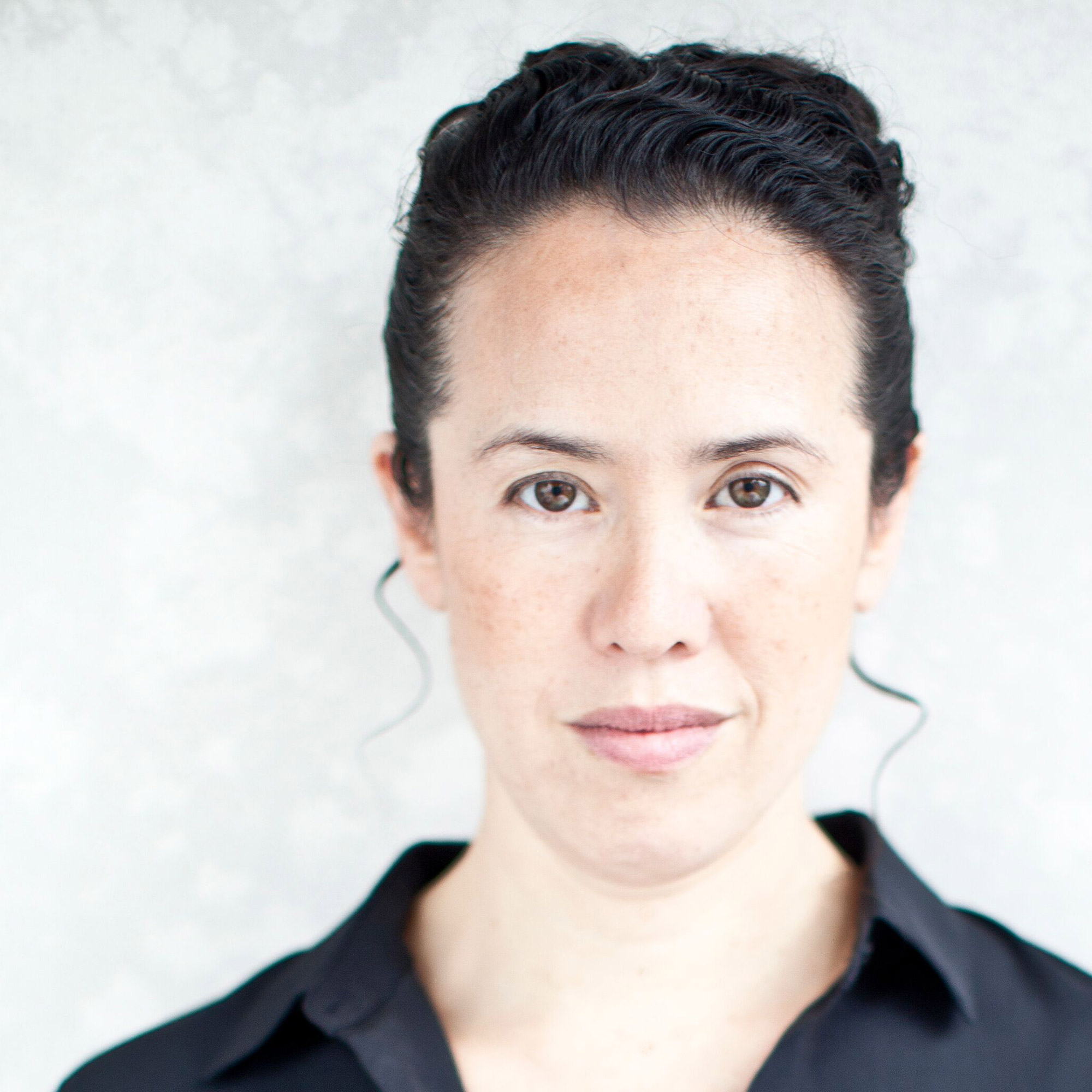
The 2026 Alan Kanzer Artist-in-Residence is painter José Parlá. In his role, Parlá will engage with artists and scientists in interdisciplinary pursuit to gain a deeper understanding of the mind and brain. He will work with a faculty host to define and achieve concrete outcomes, such as works of art that benefit his creative pursuit, Institute scientists and the community-at-large. By the end of the residency, Parlá, the scientists and members of the wider community will benefit from access to new knowledge and perspectives from these cross-disciplinary activities.
About José Parlá
José Parlá (b. 1973) creates paintings and multidisciplinary works rooted in hybrid forms of abstract language. Born in Miami to a Cuban exile family and raised in Puerto Rico, Parlá grew up between the political and cultural currents of the Caribbean and the southern United States. He has described his upbringing as taking place in a "Cuban autonomous zone." Returning to Miami in the early 1980s, he absorbed the city’s burgeoning hip hop culture, which later energized his visual language. He studied painting at Savannah College of Art and Design and continued at New World School of the Arts and Miami Dade College.
Parlá’s practice is a layered, time based methodology that fuses writing and abstract expressionism. He builds palimpsest like paintings and installations through cycles of addition, subtraction and erasure. Calligraphic marks surface and recede while pasted fragments of posters and billboards embed into textured, wall like canvases. These works form a new kind of landscape, psycho-geographic terrains where language becomes topography and layers read as social and geological history.
Language in Parlá’s work is simultaneously present and unreadable: asemic gestures suggest narrative without fixed meaning, creating space for collective memory and private recollection. Treating paint as text and surface as archive, he interrogates language, identity and history.
In 2014, José, and his older brother Rey Parlá, opened a new studio space in Brooklyn’s Gowanus neighborhood, designed by the architecture firm Snøhetta.
Known for a dynamic mural technique, working from ladders and scaffolds with continuous, long, lope-like strokes, Parlá translated his studio gestures to the public scale in "One: Union of the Senses" (2015), a 90 foot mural at One World Trade Center. After a severe COVID 19 illness in 2021, his recovery produced "Ciclos: Blooms of Mold" (2022), a series of landscape paintings that represent language as layered mycelium inspired marks are woven underground beneath skies drawn from post coma dreams, another iteration of his exploration of storytelling, ecology and the ways meaning grows, spreads and is erased.
Parlá lives and works in Brooklyn, New York. His work is held in public collections including the Brooklyn Museum; Pérez Art Museum Miami; The British Museum; Buffalo AKG Art Museum, Buffalo; POLA Museum of Art, Japan; The Gordon Parks Foundation; Neuberger Museum of Art, New York; El Espacio, Miami; and the National Museum of Fine Arts, Havana.
Parlá’s public art commissions include permanent large scale projects at the Far Rockaway Library, a collaboration with Snøhetta, New York (2023); University of Texas at Austin (2018); One World Trade Center, New York (2015); Hunt Library, North Carolina State University (2013); Barclays Center, New York (2012); Brooklyn Academy of Music, New York (2012); and Concord CityPlace, Toronto (2010).
Selected group exhibitions and biennials featuring his work include "Realismo Mágico," Brooklyn Academy of Music (2025); Brooklyn Abstraction: Four Artists, Four Walls, Brooklyn Museum (2022); "Reflections," Gana Art, Seoul (2019); "Glasstress," Fondazione Berengo, Venice (2019); "Beyond the Streets," New York (2019); "Yasiin Bey: Negus," Brooklyn Museum (2019); "Victors for Art," University of Michigan Museum of Art (2017); "Post No Bills: Public Walls as Studio and Source," Neuberger Museum (2016); "Seeing, Saying: Images and Words," Van Every/Smith Galleries, Davidson College (2016); and "Wrinkles of the City: Havana" with JR, Havana Biennial (2012).
Parlá serves on the board of the National YoungArts Foundation.
Honors, residencies and awards include Columbia University Zuckerman Institute Alan Kanzer Artist in Residence (2026); Gordon Parks Foundation Fellowship (2023); Hirshhorn Museum Artist x Artist honor (2023); Alumni Achievement Award (2024); Americans for the Arts National Art Award (2022); Public Art Network Award (2019); induction into the Miami Dade College Alumni Hall of Fame (2016); Brooklyn Art Council honor (2014); Scholastic Art and Writing Awards (1989); and film recognitions for Wrinkles of the City, Havana at the Heartland Film Festival, Indianapolis (2013).
José Parlá's residency is hosted by Charles Zuker, PhD, professor of biochemistry and molecular biophysics and of neuroscience, principal investigator at Columbia's Zuckerman Institute and investigator at the Howard Hughes Medical Institute. This program is made possible with the generous support of Alan Kanzer. Columbia University’s School of the Arts and Zuckerman Institute are grateful to Mr. Kanzer for his generosity and commitment to fostering interactions between the arts and neuroscience.